What key identifier is used for field identification of the White-throated woodrat (*Neotoma albigula*) in the southwestern United States?
Answer
Whitish fur on the throat and belly
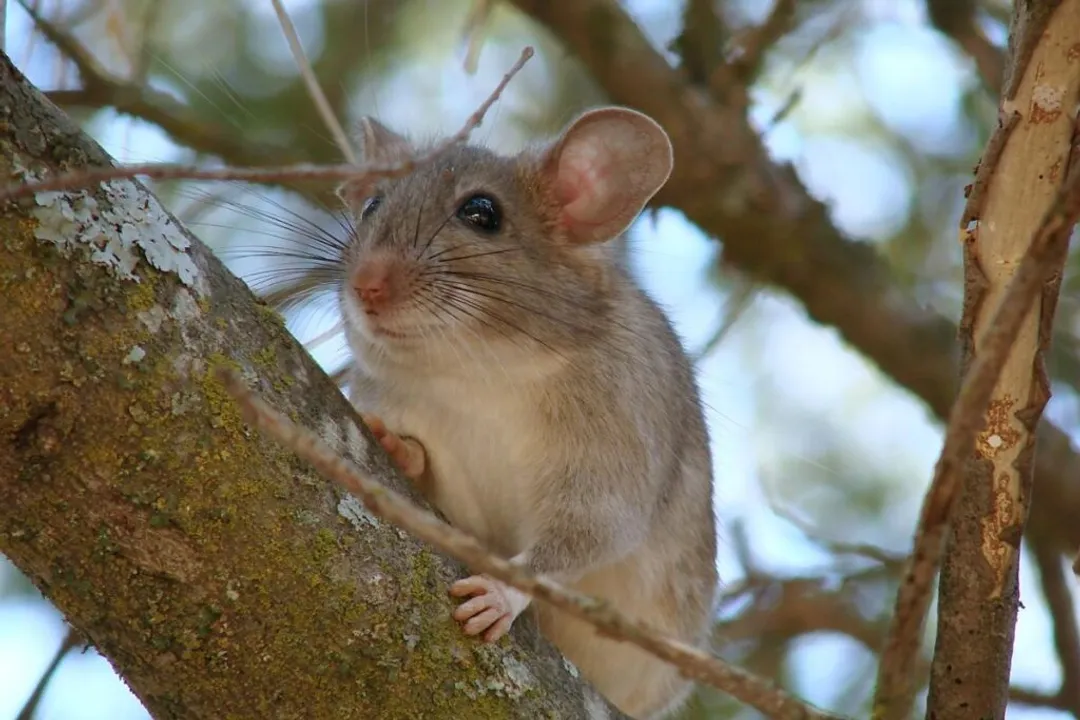
The White-throated woodrat (*Neotoma albigula*) is specifically recognized in environments like the southwestern United States and Mexico by a distinct coat pattern. This species possesses notably whitish fur covering its throat and belly areas, a physical trait that aids field identification when distinguishing it from closely related or sympatric woodrat species. This physical marker is contrasted with the defining characteristic of the Bushy-tailed woodrat, which relies on tail morphology rather than ventral fur coloration for identification.
#Videos
Fun Facts About Wood Rats | A New Way to Museum - YouTube
Related Questions
What taxonomic genus do woodrats belong to, distinguishing them from the Norway rat?What physical feature distinguishes the Bushy-tailed woodrat (*Neotoma cinerea*)?What specific term is used to describe the intricate, semi-permanent home structure constructed by woodrats?Besides natural food items, what category of portable, non-food objects do woodrats readily incorporate into their collections?What specific geological formation does the Allegheny woodrat (*Neotoma magister*) favor for building its home base?What opportunistic dietary supplement might a woodrat occasionally consume, despite being primarily herbivores?What key identifier is used for field identification of the White-throated woodrat (*Neotoma albigula*) in the southwestern United States?When does the woodrat's characteristic gathering and packing activity typically take place?What is the maximum lifespan documented for woodrats living under favorable wild conditions?How does the complexity of a woodrat's midden compare to the simple bedding of a species like the house mouse?