Woodrat Facts

Woodrats, often affectionately or frustratingly known as pack rats, are fascinating rodents whose behaviors often bring them into direct contact with human activity across North America. [2][5] These creatures are part of the genus Neotoma. [1][5][6] It is important to recognize that a woodrat is not the same as the common Norway rat (Rattus norvegicus) or the roof rat (Rattus rattus); they belong to a separate group within the broader rodent order. [1][6] They are highly adaptable, with various species thriving in environments ranging from arid deserts to high-elevation forests. [1][4]
# Rodent Grouping
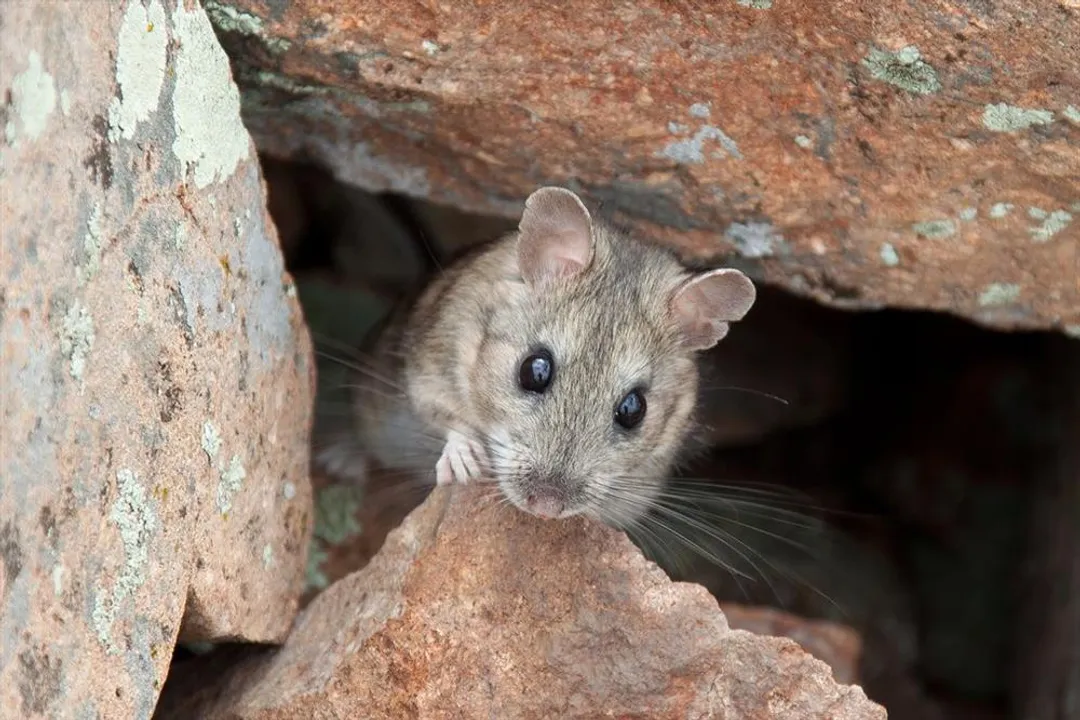
As members of the Neotoma genus, woodrats possess characteristics that set them apart from many other common commensal rodents. [6] For instance, the White-throated woodrat (Neotoma albigula) is identifiable by its whitish fur on the throat and belly, a trait useful for field identification in the southwestern United States and Mexico. [4] In contrast, the Bushy-tailed woodrat (Neotoma cinerea) is distinguished by its prominently bushy tail, which frequently surpasses its body length. [8] The Allegheny woodrat (Neotoma magister), which has faced conservation concern in parts of the eastern US, favors rock crevices and talus slopes for habitation. [7] Their physical characteristics, though varied by species, generally mark them as medium-sized rodents adapted to foraging and hoarding in complex terrain. [5]
# Hoarding Instinct

The most enduring legacy of the woodrat is its instinct to collect and store items, earning it the name "pack rat". [2][5] This behavior goes beyond simple food caching; they accumulate a wide variety of materials within their living area. [5] While natural hoarding focuses on seeds, nuts, fruits, and cactus pulp—their primary herbivorous diet—they readily incorporate non-food items if they are available and portable. [4][5] This fascination extends to virtually anything that catches their eye, including shiny metal objects, bottle caps, bits of glass, and lost trinkets. [2] They are nocturnal animals, meaning this gathering activity usually takes place under the cover of darkness. [5]
This tendency to "pack" means a woodrat’s personal space quickly becomes a cluttered repository. Unlike some other small rodents that might build simple, temporary nests in sheltered corners, the woodrat constructs a substantial, semi-permanent structure that serves as its home base. [5] If you discover a woodrat den, you are often looking at a biological inventory of its immediate surroundings, reflecting not just the local flora but also the misplaced belongings of any human settlement nearby. [3] The act is driven by a hardwired need to secure resources and create a safe, insulated dwelling.
# Nest Building
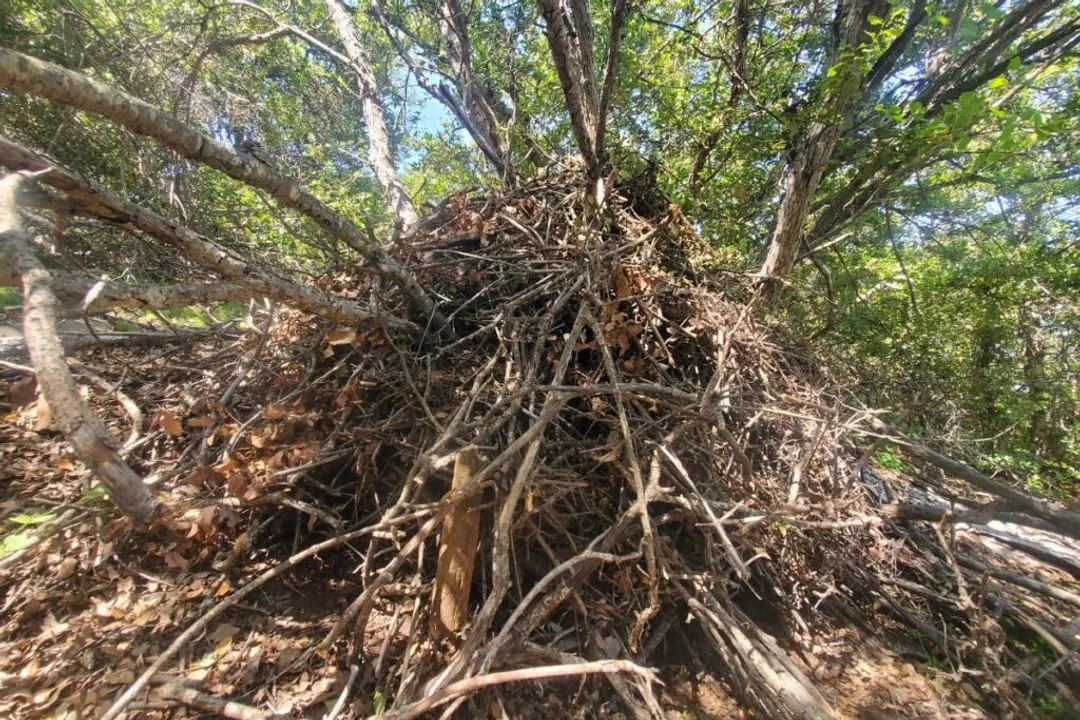
The construction quality of a woodrat's nest, known as a midden, is remarkable for a small mammal. [5][3] These middens are intricate, multi-purpose structures built from whatever materials are abundant—sticks, leaves, grasses, bark, feathers, and any human-made debris the animal can manage to transport. [5][3] A midden serves as a shelter against predators and the elements, a pantry for storing food reserves, and a safe place for raising young. [5]
The complexity of these structures merits special attention. Consider an old, abandoned shed or a remote cabin. If woodrats have taken residence, their midden might look like a large, messy pile from the outside, perhaps looking similar to a large bird’s nest made of twigs. [3] However, inside, the structure is carefully layered for insulation and security. [5] It is interesting to note the efficiency with which they incorporate foreign materials; a well-established midden near a hiking trail might contain smooth river stones, discarded plastic wrappers, and perhaps even a lost camping utensil mixed seamlessly with dried plant matter. This dedication to building a complex, lasting home contrasts sharply with the quick, simple bedding of species like the house mouse, suggesting a greater emphasis on long-term site fidelity and resource accumulation in the woodrat lifestyle. [6] The structural integrity of these debris piles is what allows some woodrat populations, like the Allegheny species, to survive harsh winters utilizing existing rock crevices as foundations. [7]
# Habitat Variety

Woodrats demonstrate considerable adaptability regarding where they choose to set up their homes, although most species prefer protected, complex environments. [1] The Bushy-tailed woodrat, for example, can be found in diverse settings across western North America, including shrubby areas, cliffs, and rock piles. [8] In more arid regions, the White-throated woodrat thrives among cacti and rocky outcrops, relying on vegetation like prickly pear for both food and cover. [4]
The preference for cover is nearly universal. In Pennsylvania, the Allegheny woodrat specifically seeks out talus slopes—piles of broken rock at the base of cliffs—which provide the necessary crevices and protected spaces for building their large middens and avoiding ground predators. [7] Their nocturnal habits further necessitate secure daytime retreats, whether they are natural caves, dense thickets, or abandoned human structures. [5] Their distribution is wide, spanning from the Sonoran Desert up through mountainous and forested regions. [1][4]

# Dietary Needs
Primarily, woodrats are herbivores, meaning their survival hinges on accessing plant matter. [5] Their diet is varied depending on the season and local availability. They consume seeds, nuts, fruits, and berries. [5] In dry environments, they are adept at obtaining moisture from succulent vegetation, such as the pulp of cacti. [4] They will also chew on bark and stems to supplement their diet. [5]
While largely vegetarian, they are not strictly so. Occasionally, a woodrat may supplement its diet with insects, demonstrating some opportunistic omnivory. [5] A helpful note for anyone observing an occupied woodrat territory is that the waste material found near the midden often includes chewed plant parts that have been rejected or regurgitated, providing clues about their recent foraging success. [4] Observing the remnants around an active midden—for example, the quantity of seed husks versus dried grass stems—can offer an unofficial assessment of the local food economy during that time of year.
# Life Cycle
Woodrats possess a reproductive strategy that allows for several opportunities to bring forth young within a year. [6] Females typically produce one or two litters annually. [6] The litter size generally ranges between two and four pups. [6] These young are born helpless, requiring significant parental care within the protected environment of the midden. [6]
In terms of longevity, woodrats can achieve surprising lifespans for wild rodents. Under favorable conditions in the wild, they have been documented living up to six years. [6] This longevity, coupled with their site fidelity (returning to the same general area or even the same midden structure), contributes to the depth and accumulation of materials found in their nests over time. The species' ability to persist and maintain complex homes for extended periods underscores their skill at resource management in their chosen habitats. [6]
#Videos
Fun Facts About Wood Rats | A New Way to Museum - YouTube
Related Questions
#Citations
Woodrat | Description, Habitat, & Facts - Britannica
Pack rat - Wikipedia
Fun Facts About Wood Rats | A New Way to Museum - YouTube
Animal Fact Sheet: White-throated woodrat - Desert Museum
Woodrats: Nature's Ingenious Architects
Woodrat Biology | Internet Center for Wildlife Damage Management
Allegheny Woodrat - Commonwealth of Pennsylvania
Bushy-tailed Woodrat (Neotoma cinerea) - National Park Service
Woodrats - Pajarito Environmental Education Center