What key evolutionary implication arises from *Xenoceratops* being found in the older Last Chance Member rather than uppermost Hell Creek strata?
Answer
It implies a staggered evolutionary appearance across the continent
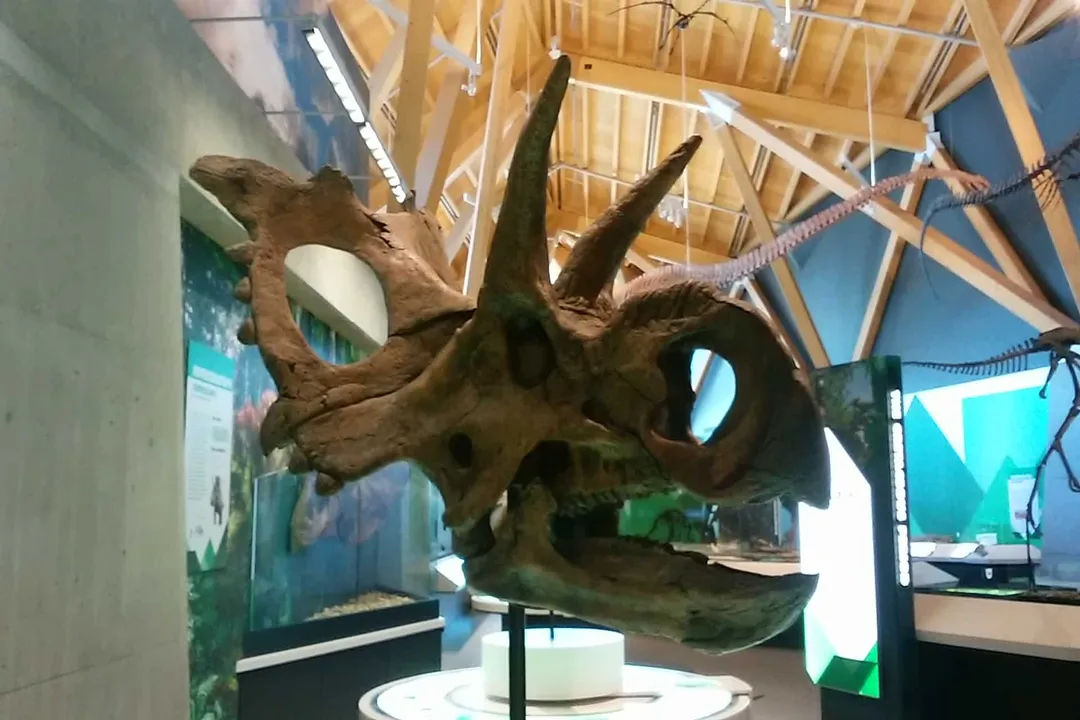
The positioning of *Xenoceratops* in a relatively older geological unit like the Last Chance Member, compared to the most famous later finds like *Triceratops* in higher Hell Creek strata, strongly suggests an evolutionary pattern of staggered appearance or sequential occupation of ecological niches across the landscape over time. This staggered presence indicates that different lineages within the Ceratopsidae family might have flourished or been replaced across the continent in a sequential manner as environmental conditions subtly shifted during the millions of years leading up to the close of the Cretaceous period.
Related Questions
What geological region in Saskatchewan hosts the *Xenoceratops ornatus* fossil evidence?Which specific geological unit within the Hell Creek Formation contains *Xenoceratops* fossils?Approximately how many million years ago did *Xenoceratops* live based on the Last Chance Member dating?In what year was *Xenoceratops ornatus* officially described by Ryan Schott and Donald Brinkman?The *Xenoceratops* find in the Last Chance Member predates which famous ceratopsian associated with the uppermost Hell Creek deposits?To which major dinosaur family does *Xenoceratops* belong based on its horned, frilled head structure?In which North American country was the primary fossil evidence for *Xenoceratops ornatus* unearthed?Which Alberta formation is cited for comparison when mapping out the evolutionary spread of horned dinosaurs across the continent?What primary element do paleontologists prioritize when discussing the 'location' of a dinosaur like *Xenoceratops*?What key evolutionary implication arises from *Xenoceratops* being found in the older Last Chance Member rather than uppermost Hell Creek strata?