What is the current recommended management strategy for treating an established Powassan virus infection?
Answer
Care focuses on managing symptoms and providing supportive care
Currently, there is no specific antiviral treatment for POWV; care centers on managing symptoms and providing necessary supportive care.
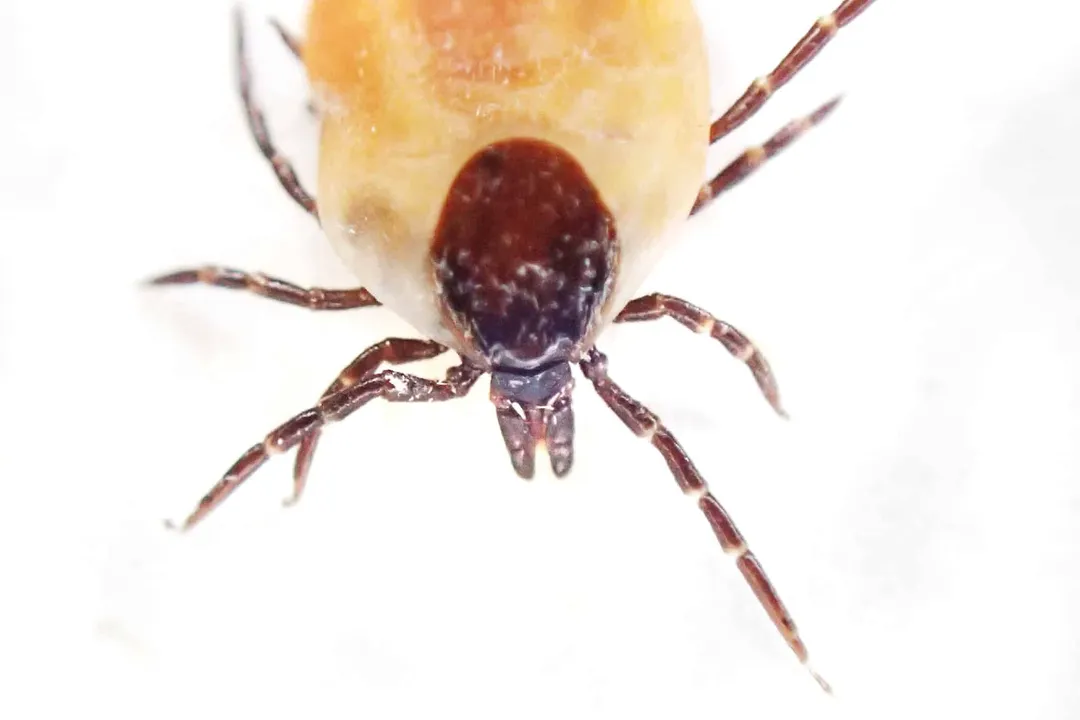
Related Questions
What is the primary host for the groundhog tick, *Ixodes cookei*?How does the physical size of the groundhog tick generally compare to the deer tick (*Ixodes scapularis*)?What is the characteristic questing habit exhibited by the groundhog tick?When attaching to a human host, where are groundhog ticks often reported to attach?While the blacklegged tick is a primary carrier of Lyme disease, which significant virus is the groundhog tick recognized as carrying?What severe neurological outcomes can result from a Powassan virus infection transmitted by *Ixodes cookei*?How quickly can the Powassan virus potentially be transmitted after a groundhog tick bites a host?What is the current recommended management strategy for treating an established Powassan virus infection?Which practical tick avoidance strategy directly counteracts the groundhog tick's tendency to crawl up from the ground?When removing an attached tick, what is the recommended technique using fine-tipped tweezers?If a person develops symptoms after a tick bite, what critical information should they provide to the healthcare provider?