Are jaguars friendly to humans?

The inherent disposition of a jaguar towards humans is one characterized by avoidance rather than affection, firmly placing it within the category of wildlife that should be respected from a distance. As the largest cat species in the Americas, the jaguar (Panthera onca) commands immense power, possessing a bite force strong enough to pierce turtle shells or skulls, features that immediately dictate a relationship of caution with humans. [6] They are typically solitary, elusive creatures, naturally inclined to steer clear of human settlements and activity, a survival mechanism honed over millennia in their diverse habitats ranging from dense rainforests to semi-arid scrublands. [6][10]
# Predator Nature
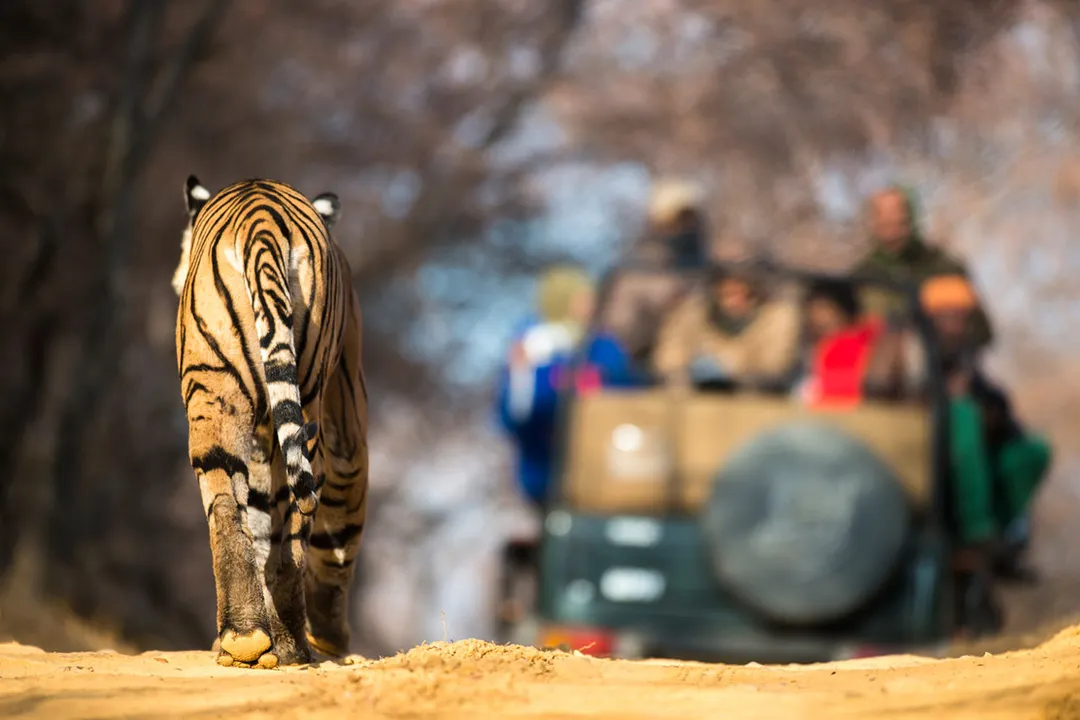
A jaguar’s primary identification is that of an apex predator, sitting at the top of its ecological food chain. [10] Its diet consists mainly of animals like capybara, caiman, deer, and peccaries. [6] Humans are not a regular or preferred component of this diet, which is a critical distinction when discussing their behavior toward us. [2] The vast majority of documented interactions between jaguars and people do not involve aggression; instead, they involve the cat moving away or hiding when sensing a human presence. [4] Historical reverence or fear of the jaguar in various indigenous cultures often stemmed from the sheer mystery surrounding such a powerful, rarely seen animal, rather than from daily, hostile encounters. [9]
# Rarity of Conflict
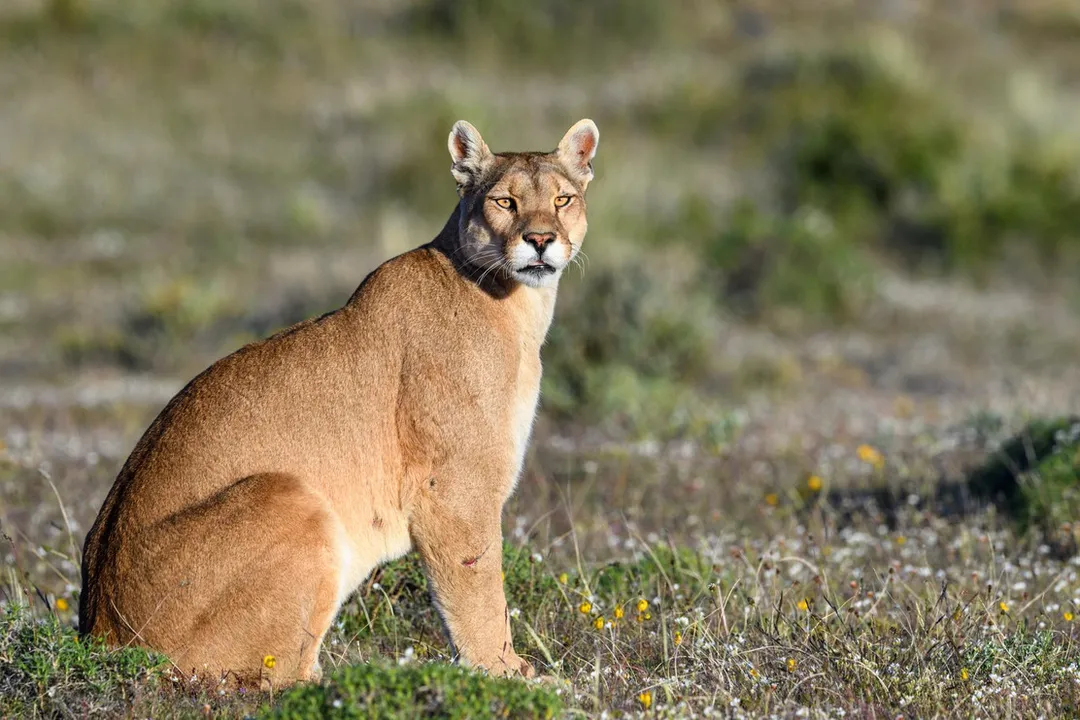
Instances where jaguars exhibit overtly aggressive or "friendly" behavior toward people are exceedingly rare, and the definition of "friendly" in this context is highly suspect when applied to a wild carnivore. [1][5] When an attack does occur, it is usually rooted in specific, often desperate circumstances. A jaguar might attack if it feels directly threatened, such as being cornered or injured, leading to a defensive reaction rather than an act of predation or casual engagement. [4] Furthermore, attacks on humans are historically uncommon, and in many modern settings, the sheer rarity of encountering a jaguar in the wild means that human injury statistics are remarkably low. [2]
It is worth noting a contrast between historical context and contemporary reality. Centuries ago, as human populations were smaller and more spread out, an apex predator like the jaguar might have been viewed differently in folklore, sometimes even associated with powerful deities. Today, however, the primary danger isn't a sudden, unprovoked attack, but rather the destruction of the jaguar's domain. As human encroachment fragments their territory, the chances for negative interactions, often born from human actions, increase, even if the jaguar’s intrinsic nature remains non-confrontational. [3][9]
# Habituation Risks
A concerning scenario arises when jaguars become habituated to human environments, particularly near livestock operations or communities where easy prey, like domestic animals, is available. [1] A cat that repeatedly associates humans with an easy meal, rather than danger, has lost its natural caution. In these fringe zones, the line between a normal avoidance strategy and an opportunistic predatory stance can blur, though this is usually a learned behavior resulting from environmental pressure, not an inherent trait like that of a domesticated animal. [2]
If a jaguar is found near a settlement and is not retreating, it’s often a sign of an underlying problem—it might be sick, injured, or—most commonly—it has discovered an unreliable but convenient food source that outweighs the risk of human contact. [1] This habituation is a symptom of habitat loss, where the cat is forced into areas it would naturally avoid. [3]
# Defensive Maneuvers
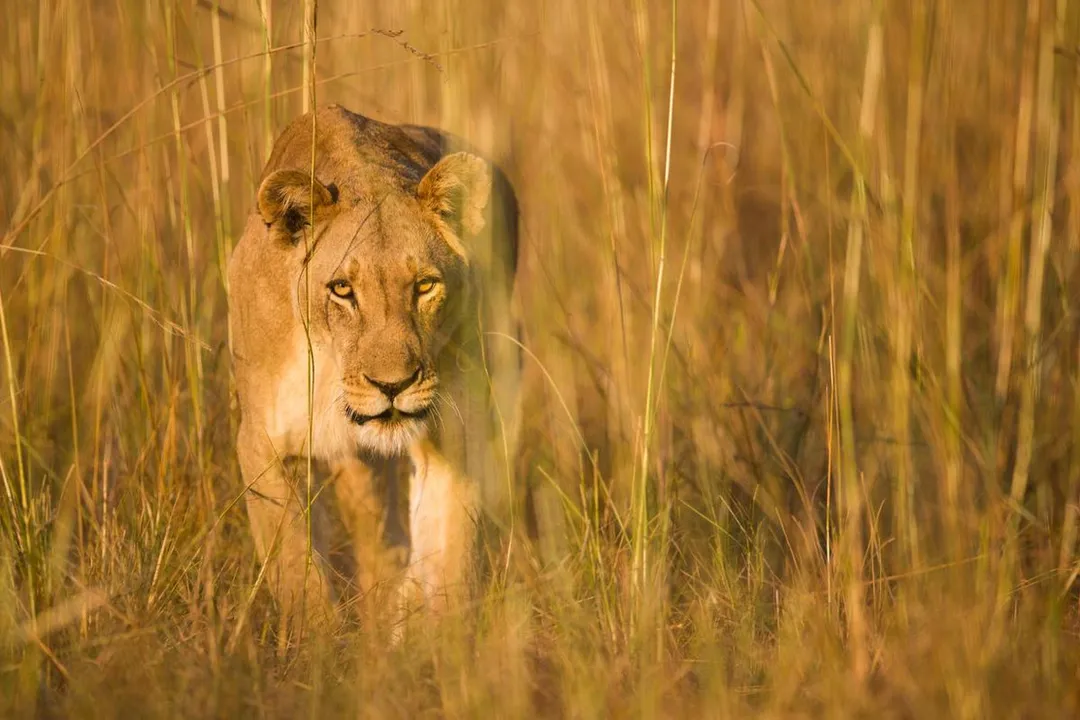
When faced with a human in its territory, the jaguar’s typical response is camouflage and stillness, relying on its spotted coat to disappear into the dappled light of the forest understory. [6] If detected, the preferred actions are concealment or retreat. However, if an encounter escalates, the cat’s reaction will be purely defensive, aiming to neutralize the perceived threat rapidly. [4] This is where understanding the difference between a threat display and a friendly overture is vital; there is virtually no credible record of a wild jaguar seeking out human companionship or non-defensive interaction. [5]
# Reading the Cat
For those unlucky enough to cross paths with a jaguar, recognizing its body language is key to de-escalation. A jaguar preparing to flee might show signs of agitation or watch intently before melting away. [4] Conversely, a truly distressed or threatened jaguar might display typical warning signs: hissing, growling, flattened ears, or an intense, unblinking stare. [4]
When considering these high-stakes encounters, one subtle distinction often missed is the context of the observer's location. If you are deep within protected rainforest far from human settlements, a sighting is likely a rare, fleeting moment where the cat is most motivated to leave without incident. [10] If you are near agricultural land or small towns where they are accustomed to livestock, the situation carries higher risk because the animal has already begun altering its natural boundaries, making its behavior less predictable. [3]
# Survival Protocol
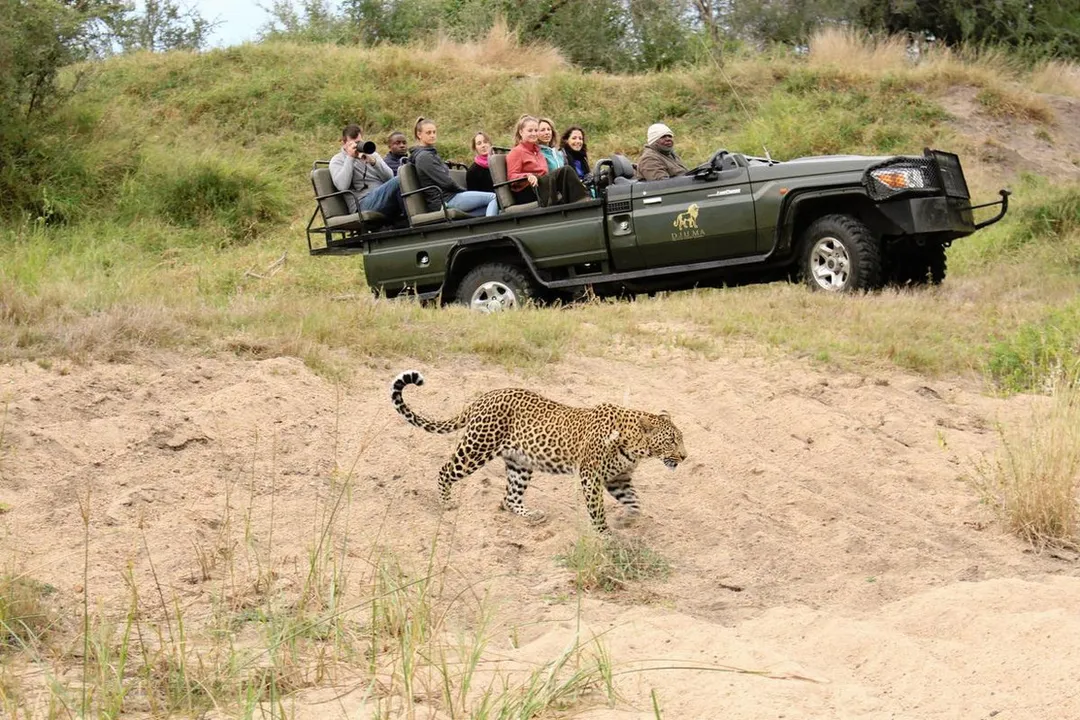
Understanding how to react when encountering a jaguar is the most actionable knowledge an individual in their territory can possess, completely overriding any notion of attempting to elicit "friendliness." The standard advice from wildlife organizations is clear: do not run. [4] Running triggers the natural chase instinct in predators.
The recommended steps for an unexpected encounter emphasize making yourself appear non-prey and non-threatening while preparing for potential defense:
- Stop and Stay Calm: Freeze momentarily to assess the situation and avoid sudden movements. [4]
- Make Yourself Large: Raise your arms above your head or hold up jackets to look bigger and more imposing to the cat. [4]
- Maintain Eye Contact: Do not break the stare, as this signals confidence and awareness. [4]
- Back Away Slowly: Move deliberately and slowly backward, never turning your back on the animal. [4]
- Make Noise: Speak firmly or shout to demonstrate you are human and not standard prey. [4]
These steps are universal for most large predators, designed to interrupt the predatory sequence before it begins, reinforcing the idea that the human is a difficult target, not a potential meal to be approached casually. [4]
# Conservation Imperative
Ultimately, the question of whether jaguars are friendly fades in importance compared to the immediate need for their protection. Jaguars are listed as Near Threatened globally, though they face regional endangerment, particularly in areas with high human density. [10] Their survival is inextricably linked to maintaining vast, connected habitats free from fragmentation. [3][7]
The biggest factor influencing human-jaguar relations today is not the jaguar's temperament but the destruction of its home. When jaguars lose access to their natural prey base due to habitat loss and poaching, they are forced into greater proximity with human-dominated landscapes, inevitably leading to increased conflicts over livestock or, rarely, safety. [9][10] Efforts focused on coexistence, such as secure fencing for livestock or compensation programs for lost animals, are far more effective in promoting peace than relying on a hopeful interpretation of the jaguar’s disposition. [3] A healthy, respected jaguar population thrives when its ecosystem is intact, which minimizes the stressful conditions that might otherwise force unnatural, risky interactions with people. [7]
Related Questions
#Citations
Are there any instances to where jaguars have been friendly ... - Quora
Is there a hypothesis as to why the big cats of the Americas, cougars ...
Humans and Jaguars Can Live Together — Here's How
What To Do if You Encounter a Wild Cat - Panthera.org
Are there any instances to where jaguars have been friendly to ...
Jaguar - Wikipedia
Jaguar animal facts: habitat, diet & threats | IFAW
Why do Jaguars not Attack Humans? Would Jaguars Eat Humans?
The Jaguar Is Made for the Age of Humans - The Atlantic
Jaguar | Defenders of Wildlife