What happens if a black tarantula bites you?
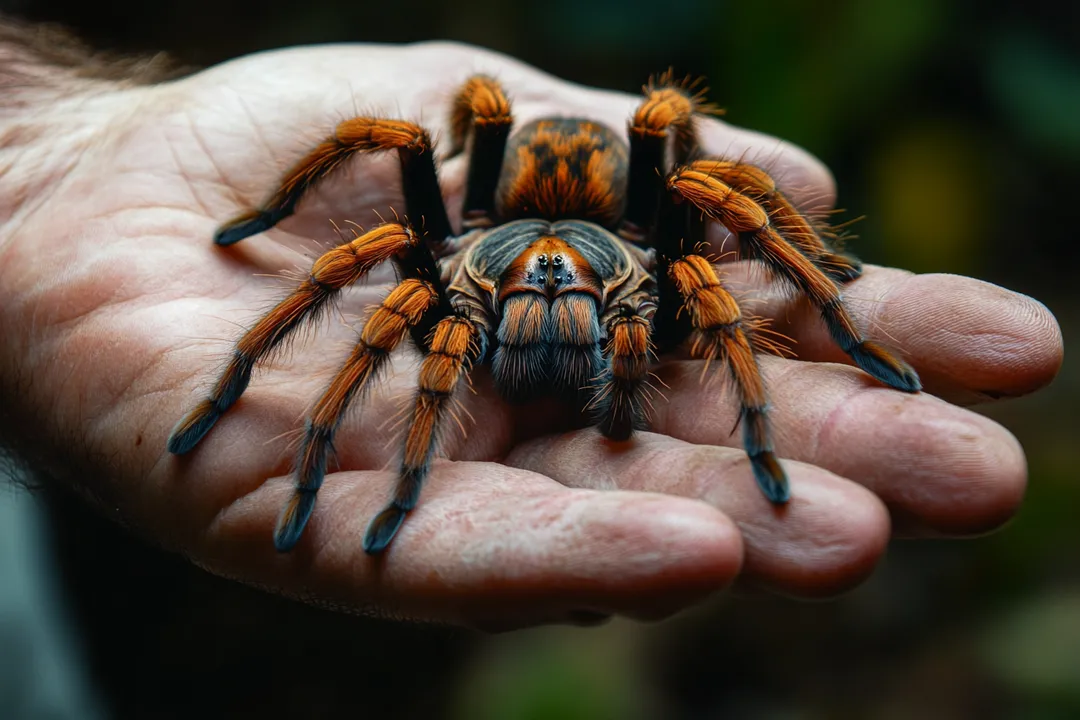
Encountering a black tarantula, perhaps a well-known species like the Brazilian Black (Grammostola pulchra), often brings immediate questions about danger, especially concerning a bite. The reality of what happens when one of these large, dark spiders sinks its fangs into human skin is usually less dramatic than popular myth suggests, though discomfort is certainly possible. [1][3][5][6] Unlike many smaller, medically significant spiders, the venom of most tarantulas, including those often kept as pets, is generally considered mild when injected into a human. [6]
# Defensive Actions
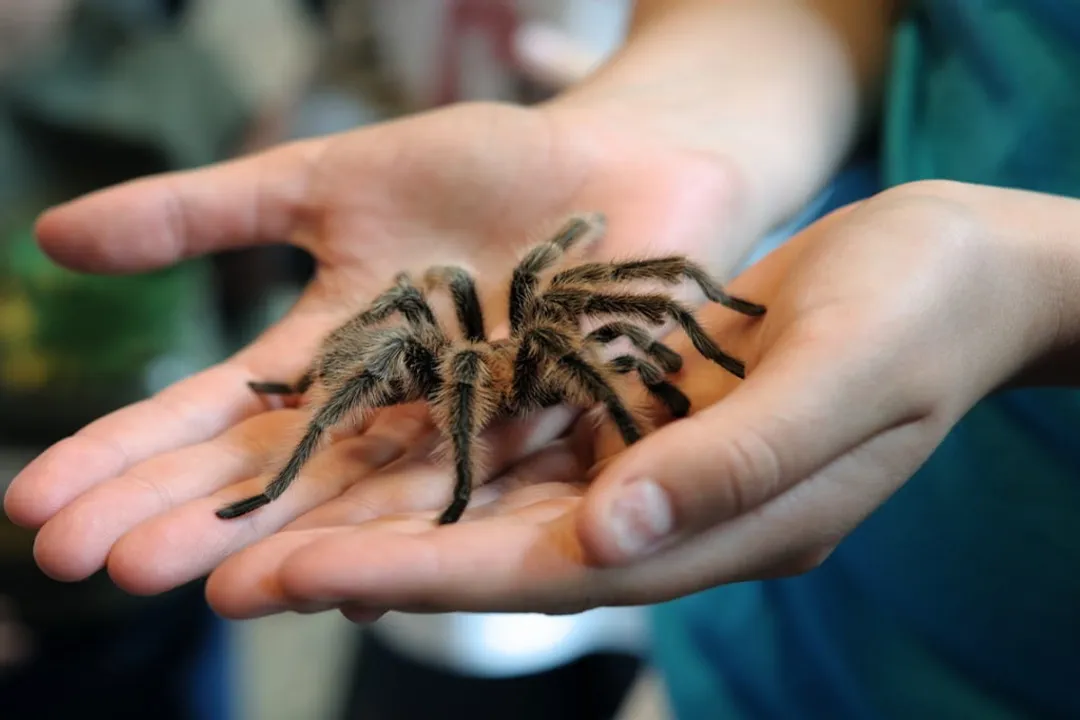
Tarantulas do not actively hunt humans for food, nor do they typically seek to bite unless they feel significantly threatened or mishandled. [4] Most defensive bites occur because the spider feels trapped, squeezed, or startled—situations that often arise when people attempt to handle them improperly or without understanding their stress signals. [4][5] For pet owners, the bite is usually a consequence of trying to move the spider when it does not wish to be moved. [5] When cornered, a tarantula's first line of defense is often not biting, but rather employing urticating hairs from its abdomen—a defense mechanism we will discuss shortly—but biting will occur if other warnings are ignored or if the threat persists. [5]
# Venom Effects Local
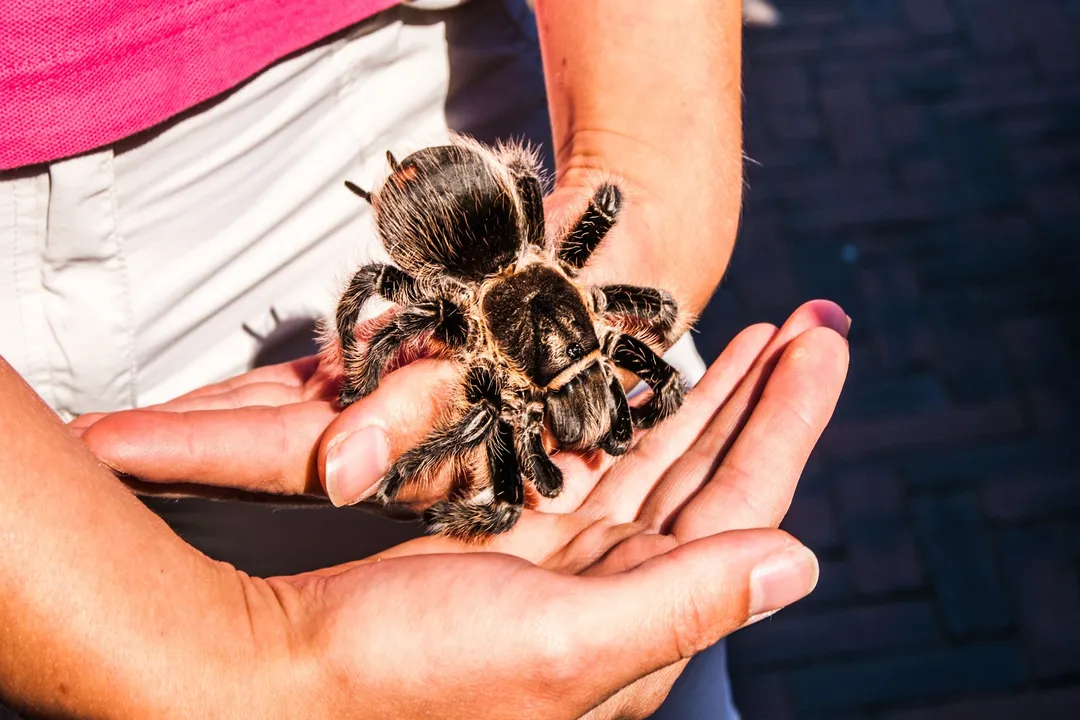
When a black tarantula does bite, the immediate sensation is often described in terms comparable to other common insect encounters. Many keepers and those who have experienced the bite report the pain level is similar to that of a bee sting or a wasp sting. [3][5] The severity is generally localized to the area of the puncture marks. [1][6]
The physical reaction typically involves immediate pain, followed by localized swelling, redness, and perhaps some inflammation around the bite site. [1][3] For the majority of people, these symptoms are minor and subside relatively quickly, especially when compared to the intense systemic reactions associated with truly dangerous spiders. [1][6] The venom itself is usually not medically significant for healthy adults. [1][6]
However, it is crucial to recognize that reactions are never entirely uniform. Even if the venom composition is mild, an individual’s response can vary greatly based on their sensitivity. While systemic effects are rare, they can occur, particularly in individuals with known allergies to other insect venoms. [1] Think of it this way: while a typical wasp sting might cause temporary discomfort for most, for someone severely allergic, it is an emergency; the same principle applies here, even though the spider’s venom profile is comparatively tame. [1]
# Urticating Irritation
For species like the Brazilian Black (G. pulchra), the bite itself often takes a backseat to another common defensive action: the flicking of urticating hairs. [3][5] These are barbed hairs located on the tarantula's abdomen that the spider can kick off when agitated. [5]
When these microscopic hairs embed themselves in the skin, they cause significant irritation, itching, and rashes that can sometimes be more bothersome than the actual puncture wounds from the fangs. [5] If these hairs get into the eyes or are inhaled, the reaction can become much more serious, leading to conjunctivitis or respiratory irritation. [5] This distinction between the bite (venom) and the hairs (mechanical irritation) is an important one for anyone handling these animals. A bite might leave you with a small sore for a few days, but airborne hairs can cause widespread itchiness that persists longer and requires different mitigation strategies. [3][5]
# First Aid Steps
If the unfortunate event of a bite occurs, immediate action can help manage localized symptoms and prevent secondary issues. [1] The recommended protocol generally focuses on wound care and observation:
- Clean the Area: Thoroughly wash the bite site with mild soap and water. [1] This is a critical step to reduce the risk of a secondary bacterial infection, which can sometimes become a more significant issue than the venom itself. [1][5]
- Apply Cold: Use a cold compress or ice pack wrapped in a cloth directly on the bite area. [1] This helps reduce swelling and localized pain. [1]
- Pain Management: Over-the-counter pain relievers, like acetaminophen or ibuprofen, can be used to manage any residual discomfort. [1]
- Observe Closely: Monitor the site for signs of infection (increased redness, warmth, pus) or any signs of a worsening systemic reaction. [1]
Understanding the typical course helps set expectations. For most bites from common black tarantulas, care stops here. If, however, symptoms become severe—such as muscle cramping, severe nausea, difficulty breathing, or signs of a serious allergic reaction—seeking medical attention immediately is necessary. [1] A key piece of advice for pet owners, especially when dealing with a captive specimen, is to know the species ID and have the spider's care sheet handy to provide precise information to medical professionals, should they need it. [5]
# Species Focus
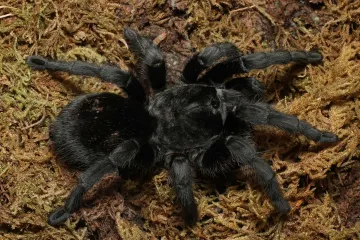
When discussing black tarantulas, the conversation frequently turns to the Grammostola pulchra, or Brazilian Black tarantula, due to its popularity in the pet trade. [3][5] Information gathered from hobbyists often mirrors general medical guidance: the bite is usually minor, perhaps comparable to a persistent, localized rash more than a dangerous envenomation. [3] While the venom of G. pulchra is acknowledged as being mild, the reaction to the urticating hairs seems to be a far more common complaint among keepers than severe bite symptoms. [5] This illustrates a general rule in arachnid handling: the physical defense mechanisms (hairs, painful but weak bites) are often more of a nuisance than a medical threat compared to the few medically significant species worldwide. [6]
# Setting Realistic Expectations
It is helpful to contextualize the risk. While the appearance of a large, dark spider can trigger alarm, the vast majority of tarantulas, especially commonly kept species, possess venom that is not toxic enough to cause severe harm to a human. [6] The danger often lies more in secondary infection or allergic response than in the inherent toxicity of the venom itself. [1][5] For instance, imagine a scenario where a person receives a deep splinter versus a tarantula bite; both can introduce bacteria, and the clean-up process (cleaning the wound) is vital for both to prevent a localized infection that requires antibiotics. [5] Recognizing that discomfort is the expected outcome, rather than incapacitation, allows for a measured response focused on simple wound management. Furthermore, avoid the common mistake of applying a tourniquet or attempting to suck out venom, as these older, unproven first-aid methods are unnecessary and potentially harmful when dealing with mild venomous creatures like these spiders. [1]
#Videos
What Happens if a Tarantula BITES You? - YouTube
TARANTULA BITE: First Aid, Symptoms & Prevention - YouTube
Related Questions
#Citations
Are Tarantulas Dangerous? - Poison Control
What Happens if a Tarantula BITES You? - YouTube
What do you do if bit by a brazilian black? : r/tarantulas - Reddit
Will a tarantula bite you if you don't harm it? - Quora
What to Do If Your Pet Tarantula Bites - The Tye-Dyed Iguana
Tarantula Spider Toxicity - MD Searchlight
Handling Brazilian black tarantulas safely - Facebook