Has anyone survived a taipan bite?
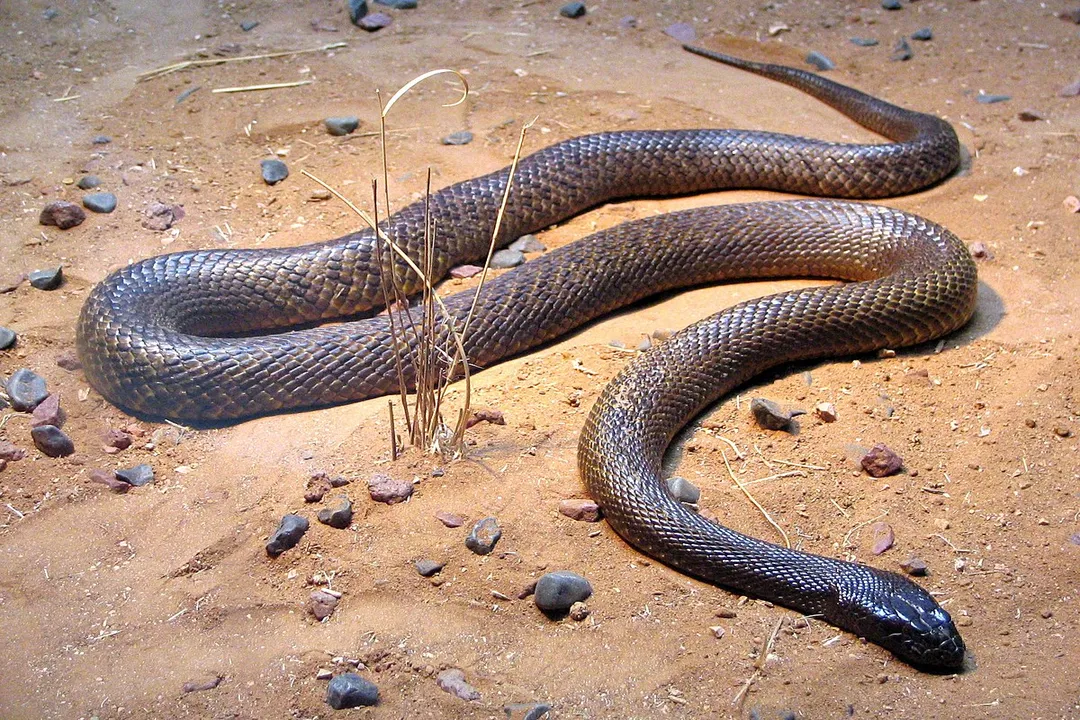
Survival following a bite from Australia's most dangerously venomous snakes is a reality, though an outcome always contingent on immediate, expert medical intervention. The question of whether anyone has survived a bite from the infamous taipan—a group containing the world's most toxic land snake—has a definitive answer: yes, people have. These survivals underscore a critical dynamic in herpetology and emergency medicine: the sheer toxicity of the venom must be countered by the speed and efficacy of modern antivenom.[1][9]
# Potency Defined
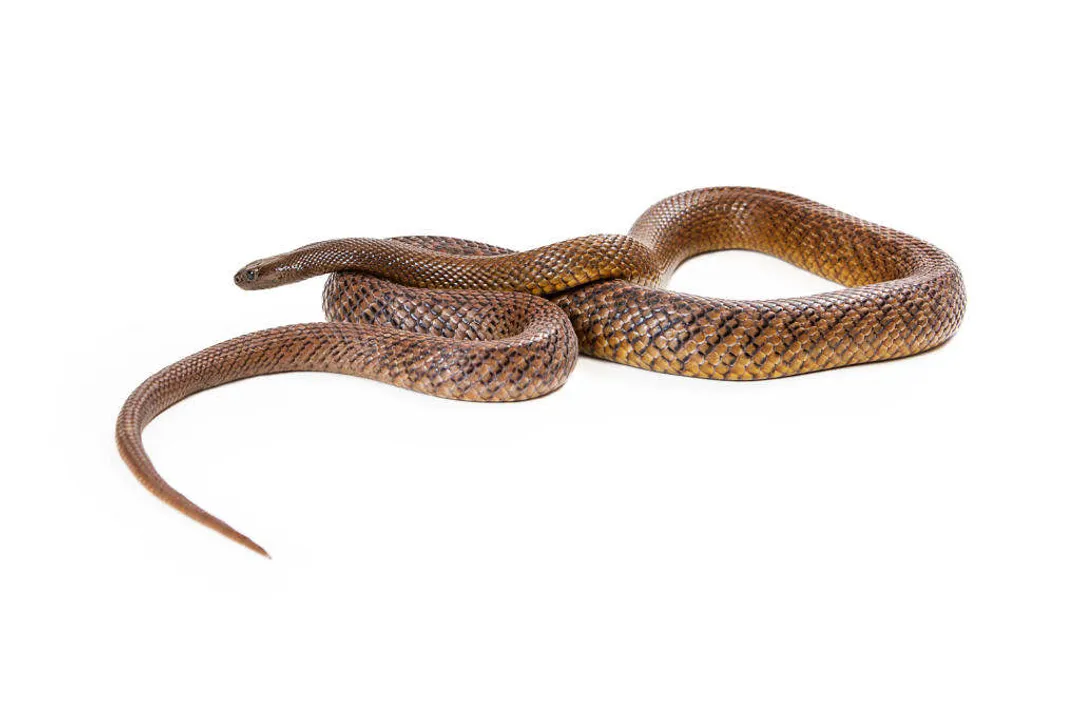
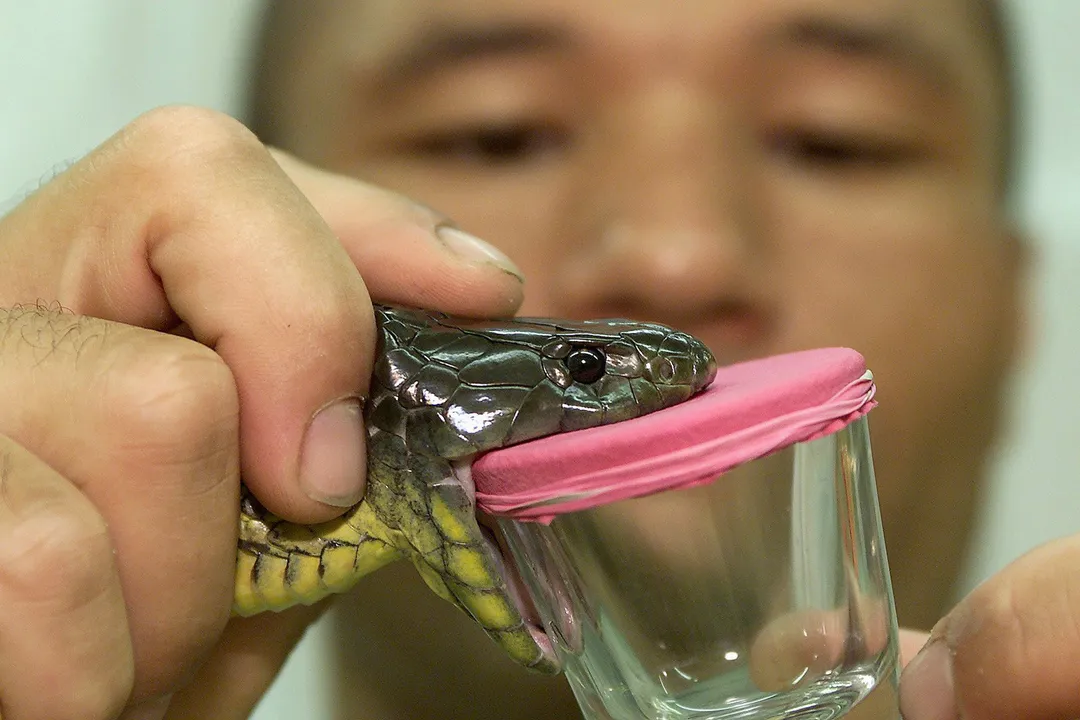
The Inland Taipan (Oxyuranus microlepidotus) holds the grim distinction of possessing the most toxic venom of any land snake on the planet. [8] Its venom composition, designed to rapidly incapacitate small, warm-blooded prey, is a complex cocktail of neurotoxins, hemotoxins, and procoagulants. [8] The sheer volume of this potent cocktail that can be delivered in a single bite is what makes the species so feared. While the Inland Taipan is generally shy and prefers remote, arid regions, far from dense human populations, the potential for fatality remains extremely high should an encounter occur. [8]
The Coastal Taipan (Oxyuranus scutellatus), while often considered less toxic drop-for-drop than its inland cousin, presents a significant threat due to its longer fangs, tendency to inhabit more populated areas on the eastern coast, and its more defensive temperament when cornered. [9] The danger posed by any highly venomous elapid is not theoretical; anecdotes suggest that without treatment, the timeline for severe systemic effects can be frighteningly short, with some reports indicating death occurring in as little as 30 to 45 minutes following the envenomation from a highly toxic species. [2] This slim window emphasizes why immediate medical evacuation and antivenom administration are non-negotiable aspects of survival.
# Documented Recoveries
The most compelling evidence for survival lies in the documented medical cases where immediate action was taken. A prominent example involves a teenager in Australia who was bitten by an Inland Taipan. This incident, which occurred near Canberra in July 2016, ended in survival specifically because the young patient received antivenom without significant delay. [1] This outcome directly challenges the narrative that a bite from the world's most venomous land snake is an automatic death sentence; rather, it illustrates that the outcome is determined by the intervening medical response. [1]
In a separate, notable case involving the Coastal Taipan, a young boy named Eli gained recognition for surviving a bite from this species. [9] He holds the distinction of being the youngest Australian known to have successfully recovered from a Coastal Taipan envenomation. [9] Like the Inland Taipan case, recovery from a bite by this powerful serpent requires the rapid deployment of appropriate antivenom.
It is interesting to compare the medical response required for these two species. Although the Inland Taipan's venom is more potent, the Coastal Taipan often lives closer to major medical centers where specialized care is more readily accessible, potentially balancing the survival odds in certain geographic scenarios. [8][9]
# High-Stakes Encounters
Survival stories often involve individuals with extensive experience handling venomous reptiles, though even their expertise offers no shield against a defensive strike. One account features a snake handler in South Carolina who fought for survival after being bitten by a venomous snake. [7] While this incident did not involve a taipan, it serves as a powerful example of the sheer physiological toll these venoms exact, even on professionals who understand the risks intimately. [7] These scenarios highlight that in the immediate aftermath, irrespective of the victim’s training, the body enters a critical state where external medical assistance is the only variable that can turn the tide.
For those who work closely with snakes, the experience gained from surviving a bite can sometimes translate into a deeper, albeit hard-won, understanding of snake behavior and the urgency of first aid protocols. If we consider the reaction time mentioned earlier—30 to 45 minutes for a fatal outcome—the experience of the handler in South Carolina, who fought for survival, implies a successful, rapid intervention that pulled him back from that fatal edge. [2][7]
# Treatment Thresholds
The difference between a fatal encounter and a survival story when dealing with a snake like the Inland Taipan or Coastal Taipan almost always boils down to the time elapsed before antivenom is administered. [1] Antivenom works by neutralizing the toxins circulating in the bloodstream, effectively halting the progression of symptoms like paralysis or catastrophic bleeding. [8]
Consider the logistical challenges. The Inland Taipan often resides in remote inland areas of Australia, increasing the time needed for emergency services to reach the victim and transport them to a facility capable of administering the necessary treatment. [8][1] This geographical isolation amplifies the danger significantly, making local preparedness and rapid deployment of evacuation assets (like air medical services) perhaps the most crucial secondary defense after the primary treatment itself. One can observe that in cases where survival is reported, whether it is the teenager bitten by the Inland Taipan or Eli, the narrative implicitly confirms an organized, successful extraction and treatment chain was established. [1][9]
When evaluating the chances of survival, it's helpful to move past simple venom potency ratings and look at treatment accessibility. A person bitten near a major metropolitan hospital has a vastly different prognosis than someone bitten days away from the nearest medical outpost, regardless of the snake species involved. While the venom of the Inland Taipan is the most potent among land snakes, the established medical response system within Australia has proven capable of neutralizing that threat when given the chance to engage quickly. [8] This reliance on immediate care suggests that for any highly venomous snake—including comparisons sometimes drawn to African serpents like the Black Mamba [6]—the human body's ability to withstand the venom is almost entirely dependent on an unbroken chain of medical support initiated within minutes of the bite.
# Analyzing Survival Factors
The fact that these individuals survived suggests several contributing factors that readers can consider when assessing the actual risk profile of these animals. The Sydney teenager, for instance, was near Canberra when bitten by the Inland Taipan, a region that, while regional, still has access to established medical infrastructure, unlike the snake's deep outback range. [1] Eli's survival with the Coastal Taipan also implies he was near an area where medical help could be accessed effectively. [9]
If we look at the venom yield and potency again, the Inland Taipan's venom is frequently noted as being potent enough to kill a human in under an hour. [8][2] For survival to occur, the antivenom must counteract the systemic effects before that threshold is met. An interesting point for readers to consider is the variability in snake behavior; a "dry bite," where no venom is injected, is a rare stroke of luck that can occur in any encounter but is unpredictable. However, relying on luck is not a strategy, and for any confirmed envenomation by a taipan, the assumption must be that a full, life-threatening dose was delivered. [8]
The successful medical outcomes we see provide crucial data, suggesting that for these powerful Australian snakes, the lethality rating is a measure of the toxin's power in the absence of treatment, rather than an absolute predictor of fatality when modern medicine intervenes promptly. [1][9] The narrative shifts from "Can a human survive a taipan bite?" to "How quickly can we get the correct antivenom into the victim?"
# Immediate Steps
While this article focuses on documented survivals, which inherently imply successful treatment, the context of those successes is vital. Survival is not passive; it is an active medical process. For anyone who might find themselves in a situation involving a highly venomous snake, understanding the immediate steps that lead to these documented recoveries is key. Professionals often stress immobilization of the bitten limb and maintaining calm to slow venom spread, though the primary goal, after ensuring safety from further bites, is rapid transport. [7] Even highly trained handlers, who know what to do, rely on external emergency systems when dealing with massive envenomations. [7] The consensus, drawn from the outcomes of both the Inland and Coastal Taipan survivors, is that any delay in reaching sophisticated medical care drastically reduces the probability of a positive result. [1][9]
#Videos
George Rosendale survived a coastal taipan bite and ... - YouTube
Related Questions
#Citations
Australia: Sydney teenager survives bite by world's deadliest snake ...
It typically only takes 30-45 minutes for an Inland Taipan bite to kill a ...
George Rosendale survived a coastal taipan bite and ... - YouTube
Surviving an inland taipan snake bite? - Facebook
Has anyone survived a bite from the black mamba or the inland ...
South Carolina Snake Handler Fights For Survival After Venomous ...
Inland taipan - Wikipedia