Is cat snake venomous to humans?

The term "cat snake" itself is a source of immediate confusion for anyone encountering a snake with vertically elliptical pupils, often giving it an unnerving, feline gaze. Whether such a snake poses a venomous threat to humans is not a simple yes or no answer; it entirely depends on which species of snake is being discussed, as this common name is applied to at least two distinct groups of snakes with vastly different toxicological profiles. One group, often found in Europe, is relatively benign, while another group, primarily from Asia and known by the genus name Boiga, possesses venom that demands serious medical attention.
# Naming Confusion

Understanding the danger starts with taxonomy. The common name "cat snake" is applied broadly because of the characteristic vertical pupils, which contract to slits in bright light, much like a cat's. However, this physical trait is shared across multiple genera. For instance, the European Cat Snake belongs to the genus Telescopus, specifically Telescopus fallax. In contrast, many of the snakes known internationally as cat snakes—and those associated with more severe bites—belong to the genus Boiga, sometimes specifically referred to as cat-eyed snakes. The region where the snake is sighted becomes the primary clue in assessing potential risk.
# European Snake Status
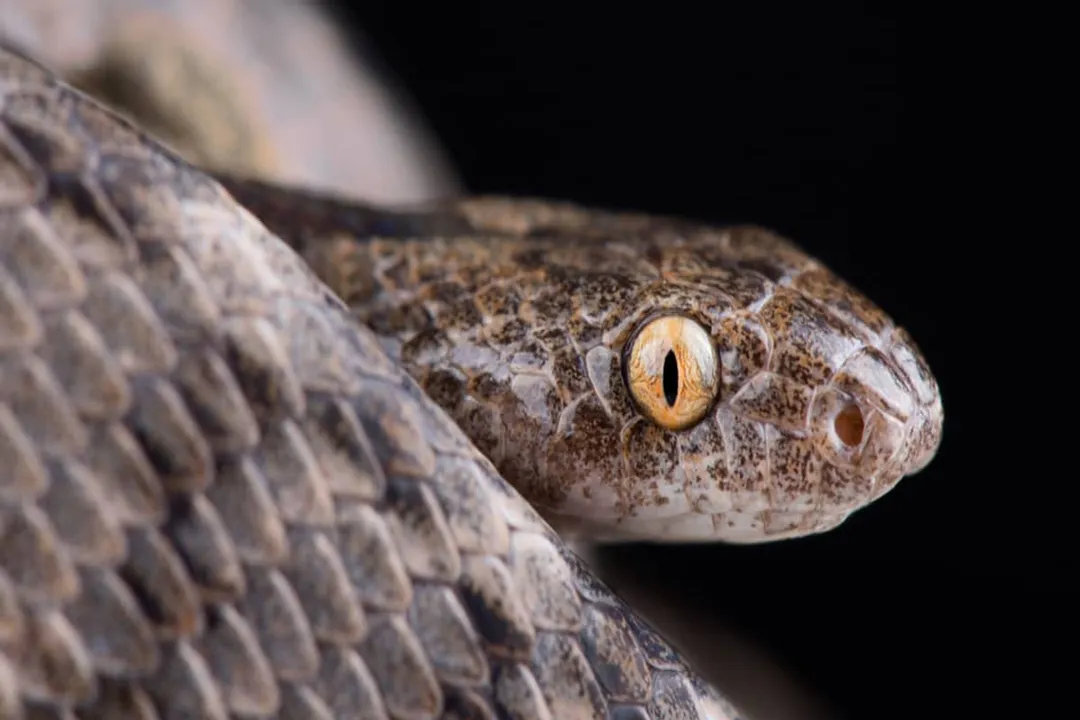
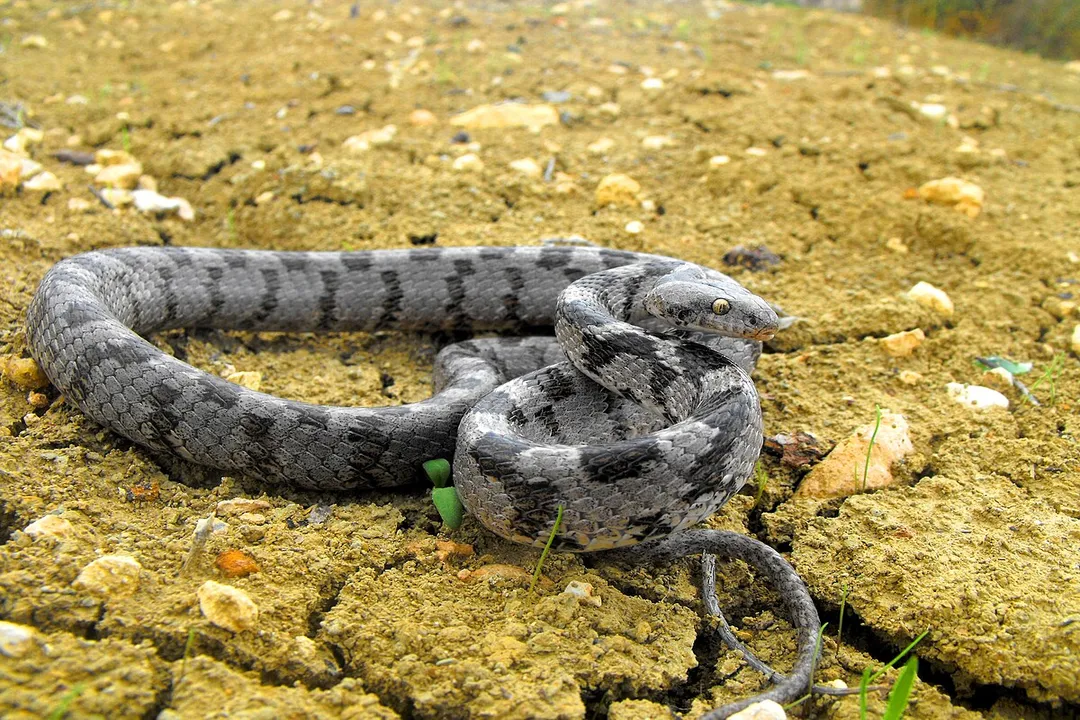
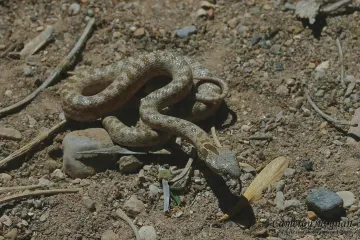
The European Cat Snake (Telescopus fallax) is generally found across Southeastern Europe, the Balkans, and parts of the Middle East. This species is typically described as having mildly venomous saliva delivered through rear fangs, classifying it as a rear-fanged snake. While its venom is potent enough to subdue its natural prey, which consists mainly of lizards and small mammals, bites on humans are usually not considered medically significant.
When a human is bitten by the European Cat Snake, the reaction is often compared to a bee sting or a mild allergic reaction. The presence of rear fangs means the venom delivery system is less efficient than that of front-fanged snakes; the snake must usually be chewing firmly on the skin for a notable amount of venom to enter the bite wound. Even though it is technically venomous, its danger to human life is extremely low, and fatalities are not recorded based on the available general information.
# Boiga Snakes Venom
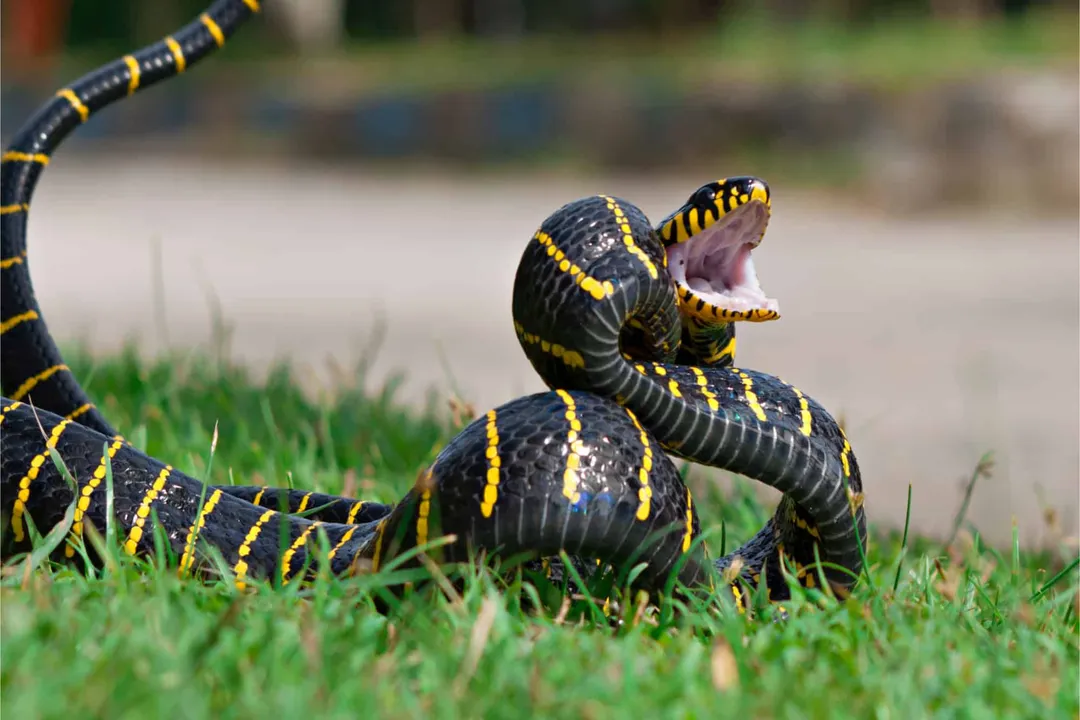
The situation changes dramatically when the snake in question belongs to the genus Boiga. Snakes in this group, such as the Mangrove Snake (Boiga dendrophila), are native to tropical regions of Asia. These snakes are renowned for their potent venom, which is considered medically significant to humans.
Venom from Boiga species is sophisticated. Research suggests that the venom components often target the nervous system. For example, some species' venom has been studied for its potent neurotoxic effects. Bites from these snakes can lead to more severe symptoms than local swelling or minor discomfort. While not all Boiga species are classified as deadly, the potential for systemic effects, particularly neurological ones, means a bite from a Boiga species must be treated as a serious medical event requiring professional evaluation. This difference in clinical outcome between Telescopus and Boiga highlights why precise identification is crucial.
# Morphological Contrast and Risk Perception
From a purely anatomical standpoint, both groups share the common feature of vertical pupils, yet their fangs are positioned differently, which dictates the risk involved. The European Cat Snake's rear-fanged setup requires a specific biting action to inject venom. In contrast, the Boiga snakes are opisthoglyphous (rear-fanged, but with a more advanced delivery system than some other rear-fanged snakes) or sometimes front-fanged depending on the exact species and classification interpretation, but their overall venom yield and toxicity are far greater, leading to the higher medical concern.
It is interesting to note the gap between common perception and actual risk based on morphology. A casual observer seeing the intimidating eyes might immediately assume the worst danger, similar to a cobra or viper. However, the European species presents a lower actual risk compared to its Asian counterparts sharing the same common descriptor. This disparity suggests that educational efforts should focus less on the pupil shape alone and more on geography and behavior when educating the public about this group of snakes. If a person encounters this type of snake in an area like Nepal, for instance, the likelihood of encountering a highly venomous Boiga species is significantly higher than encountering Telescopus fallax.
# Practical Guidance for Encounters
When faced with an unidentified snake exhibiting cat-like pupils, the immediate reaction should prioritize safety without panic. If the encounter occurs in Southern or Southeastern Europe, the snake is likely the European Cat Snake, and while bites should be avoided, the immediate threat level is low. If the snake is encountered in Asia, particularly tropical or subtropical areas, the assumption must lean toward the snake belonging to the Boiga genus, necessitating immediate distance and professional contact if a bite occurs.
A simple field differentiation, though never foolproof without an expert, often relies on size and color patterns if context allows:
- European Cat Snake: Often smaller, tending toward brownish or grayish patterns. They are nocturnal hunters.
- Boiga Species: Often larger, with many species, like the Mangrove Snake, exhibiting striking patterns of black and bright yellow or white bands.
If you are unsure of the species, treating any bite from a snake with cat-like pupils as potentially dangerous until proven otherwise by medical professionals is the safest course of action. This principle of caution serves as a vital first response, especially since the severity of a Boiga bite can progress rapidly.
# Diet and Ecology
Diving deeper into their habits reveals ecological differences that reinforce the separation between the types. The European Cat Snake shows a strong preference for lizards in its diet, which aligns with its mildly potent venom suitable for cold-blooded prey. This preference keeps it closely tied to terrestrial or rocky environments where its prey thrives.
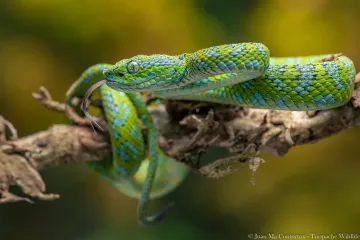
Snakes in the Boiga genus, conversely, are often highly arboreal—tree-dwelling—and feed on a much wider variety of prey, including birds, bird eggs, and mammals. Their advanced venom system and agility in the canopy suggest an evolutionary path geared toward more diverse and active prey capture than their European namesake. This difference in lifestyle also means that human encounters with Boiga snakes might occur higher up in trees or near roofs, adding another layer to the identification challenge for homeowners.
# Synthesizing Threat Levels
To summarize the risk profile clearly, we can frame the threat assessment around the expected clinical outcome:
| Snake Group | Genus Example | General Venom Status | Expected Human Reaction (if bitten) |
|---|---|---|---|
| European Cat Snake | Telescopus | Mildly venomous (rear-fanged) | Local swelling, temporary pain, similar to a mild sting |
| Asian Cat Snakes | Boiga | Medically significant | Potential for neurotoxic effects, requiring professional medical assessment |
When considering the scientific study of venom, abstracts often focus on the most dangerous species because they present the greatest public health concern. The detailed investigation into specific toxins affecting neurological pathways generally centers on these clinically relevant genera like Boiga, further emphasizing that while Telescopus is an interesting subject, Boiga presents the primary danger associated with the common name "cat snake" globally. The sheer diversity within the Boiga genus, with many species yet to be fully characterized toxicologically, means a blanket assumption of low risk for any cat-eyed snake outside of established European ranges is unwise.
# Final Assessment
The venom status of a "cat snake" is inherently conditional. It hinges entirely on geography and precise species identification. If the snake is Telescopus fallax in its native European range, the venom is of little concern to a human. If the snake is a member of the Boiga genus found across Asia, the venom is strong enough to warrant immediate and serious medical intervention due to potential systemic effects. Therefore, the presence of vertical pupils is merely the first, most superficial clue; the context of the sighting provides the true indication of the snake's potential to cause harm.
#Videos
Interesting Facts About The Common Cat Snake - YouTube
Related Questions
#Citations
European cat snake - Wikipedia
Cat snake | Diet, Habitat & Lifespan - Britannica
Common Cat Snake (Mildly Venomous) - Facebook
Hello, European catsnake or some viper?(unfortunately the villager ...
This is the Common Cat Snake- harmless to humans ... - Instagram
Cat Snake Animal Facts
Interesting Facts About The Common Cat Snake - YouTube
Cat-eyed snake (Genus: Boiga) bites in Sri Lanka - ScienceDirect.com
Snakes of Thailand - Boiga (Cat Snakes) - Siam-Info