Do groundhog ticks bite humans?
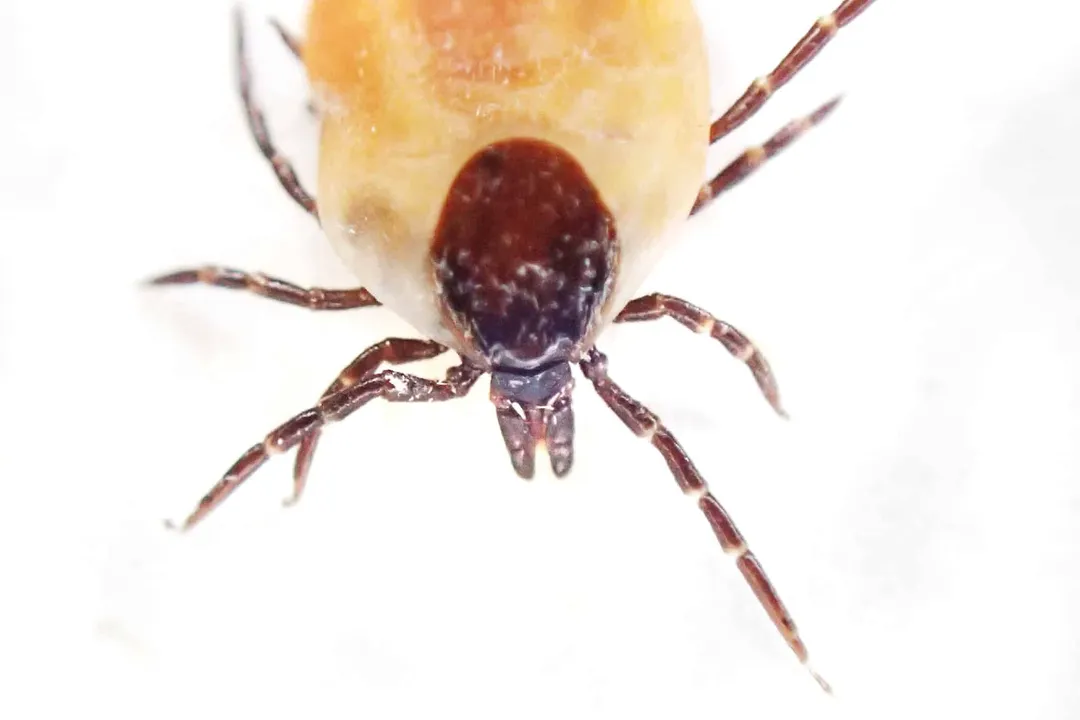
The groundhog tick, also known as the woodchuck tick (Ixodes cookei), certainly does bite humans. [1][4] While this specific tick is primarily associated with groundhogs, which serve as its main host, they are known to feed on other mammals, including people, when their preferred hosts are unavailable or when they are actively questing. [1] Recognizing this tick is important, particularly because it carries different disease risks than the more commonly discussed blacklegged tick. [1]
# Tick Identification
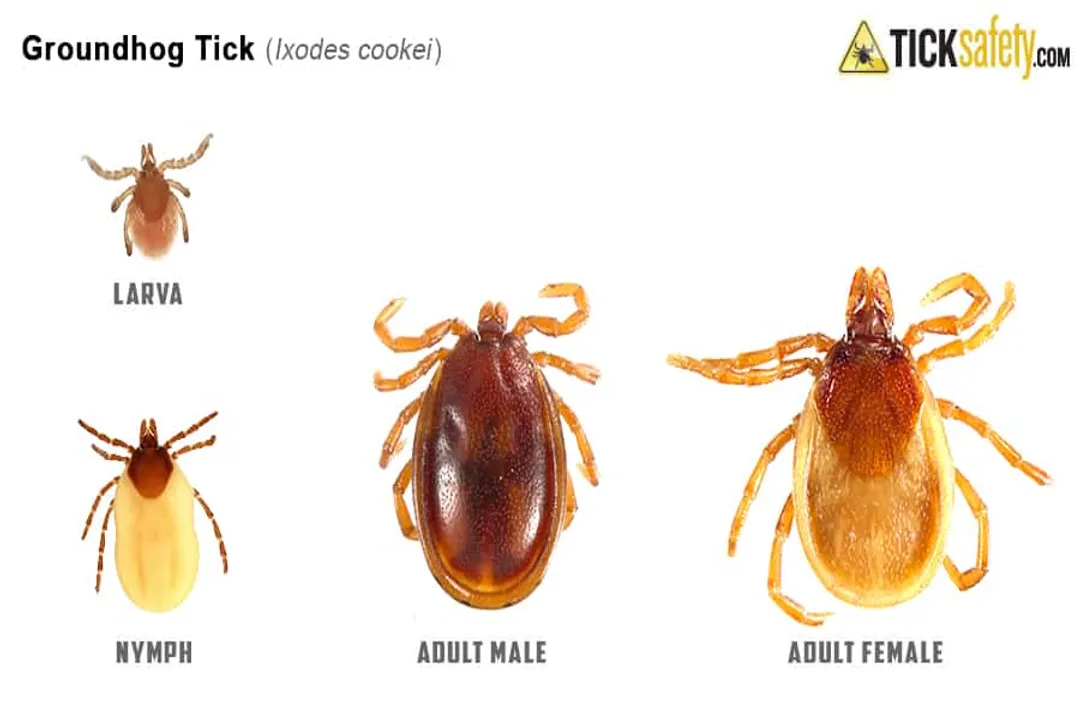
Understanding what the groundhog tick looks like can help in identifying a potential biter. These ticks are generally smaller than the deer tick (Ixodes scapularis). [4] They are often found in the same environments where groundhogs live, such as fields, wooded areas, and yards. [4] This species has a distinct host preference, with adults commonly associating with groundhogs. [1][4] However, the life cycle involves multiple stages, and it is often the nymphs and adults that will seek out other mammalian hosts, making human encounters more likely during the active feeding periods of those stages. [1]
If you find a tick that seems smaller than the standard deer tick and you live in an area known for groundhog populations, such as parts of Michigan, where this tick is common, it warrants a closer look for confirmation. [1]
# Biting Behavior
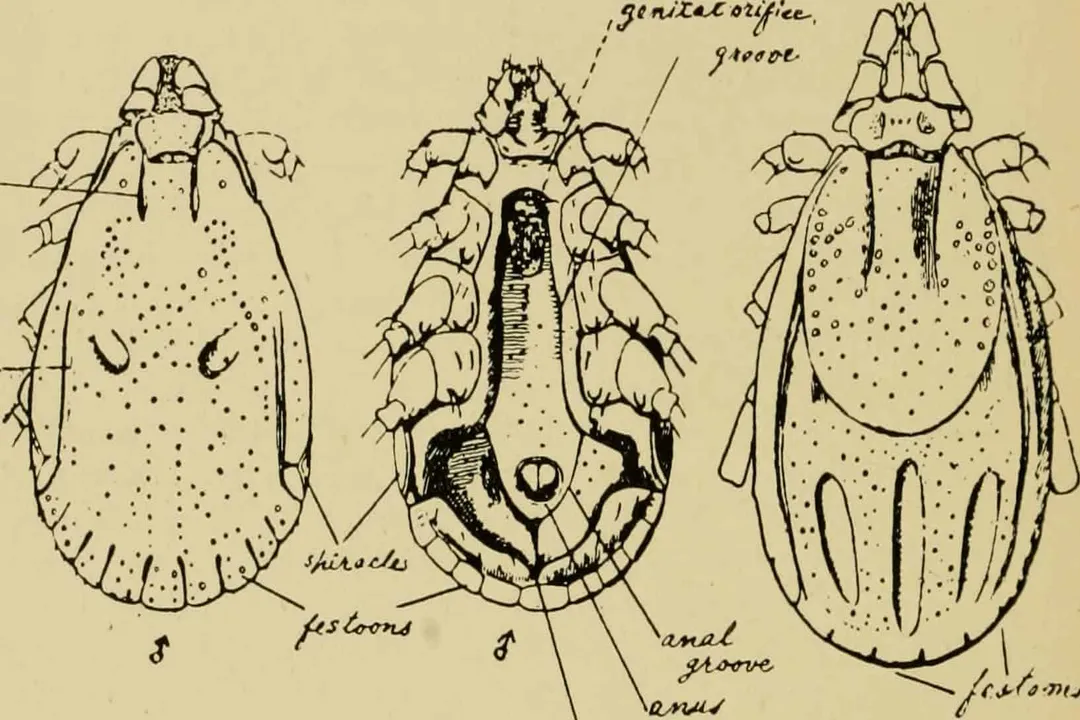
When it comes to biting, the groundhog tick behaves somewhat differently from its more infamous relatives. While all ticks must feed on blood to survive and progress through their life stages, the groundhog tick exhibits specific questing habits. [4] Ticks quest, or wait for a host, by climbing up vegetation and extending their front legs. The groundhog tick tends to quest low to the ground. [4] This contrasts with ticks like the deer tick, which might quest higher up on grasses and shrubs.
When a groundhog tick successfully attaches to a human, it has certain preferred spots. Reports suggest that they often attach near the head or neck area. [4] This attachment preference is worth noting, as it differs from the preference many people assume ticks have for warm, hidden areas like the groin or armpits, though ticks are opportunistic feeders. [6] Because they are active feeders, it is crucial to remember that any tick encountered in a suitable habitat can potentially bite if contact is made. [1][4]
# Associated Disease
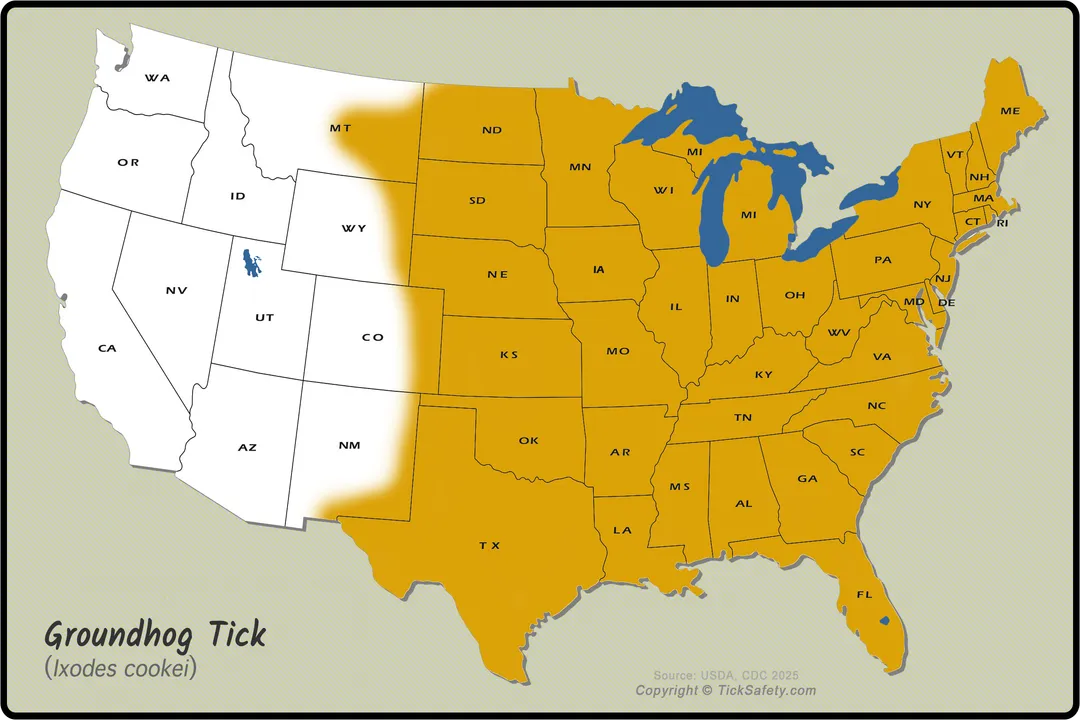
The most significant concern regarding the groundhog tick is the pathogen it can transmit. While it is often noted that the groundhog tick is not a primary vector for Lyme disease—a distinction usually reserved for the blacklegged tick—it is recognized as a carrier of the Powassan virus (POWV). [1][5]
Powassan virus is a serious concern transmitted by various ticks, including Ixodes cookei (groundhog tick) and Ixodes scapularis (deer tick). [5][7] This virus can lead to severe neurological disease, specifically encephalitis (inflammation of the brain) or meningitis (inflammation of the protective layers around the brain and spinal cord). [5][7]
The fact that the groundhog tick can transmit POWV necessitates caution, even if one is less worried about Lyme disease transmission from this specific species. In some regions, like New York State, health officials emphasize the importance of recognizing the risk posed by ticks found in areas inhabited by groundhogs. [3] Ohio’s public health department also lists Powassan virus as a zoonotic disease of concern, monitored through their surveillance programs. [8]
# Powassan Severity
The Powassan virus poses a threat because of how quickly it can be transmitted. Unlike Lyme disease, which typically requires the tick to be attached for 36 to 48 hours or more before the bacteria is transmitted, the Powassan virus can potentially be transmitted immediately upon the tick biting, or very shortly thereafter. [5][7] This immediate transmission possibility means that prompt detection and removal are even more critical when dealing with a tick-borne illness that can have neurological consequences. [5]
Symptoms associated with a POWV infection can range widely in severity. Initial signs often mimic other viral illnesses, including fever, headache, nausea, and vomiting. [5][7] In more serious cases, central nervous system involvement becomes apparent, leading to confusion, disorientation, or profound weakness. [7] Tragically, severe cases can result in long-term neurological deficits or even death. [5][7] Currently, there is no specific antiviral treatment for POWV, meaning care focuses on managing symptoms and providing supportive care. [5][7] Furthermore, as with many emerging tick-borne illnesses, no vaccine is available to prevent infection. [5][7]
# Risk Comparison
It is helpful to compare the transmission risks associated with the groundhog tick versus the blacklegged tick to contextualize safety measures. The primary concern with the blacklegged tick is Borrelia burgdorferi, the agent of Lyme disease, alongside others like anaplasmosis and babesiosis. [1] The groundhog tick, while being a competent vector for POWV, is not generally considered a major carrier of Lyme disease agents. [1] This distinction highlights that tick safety isn't just about removing any tick; it’s also about understanding the specific pathogens prevalent in your local tick populations and which tick species carry them. If you are spending time in deep woods known for deer populations, your Lyme risk is higher; if you are near groundhog burrows or areas where groundhogs frequent, your POWV risk from an Ixodes cookei bite increases. [1][4]
# Tick Avoidance
Given that groundhog ticks will bite humans and carry a serious virus, preventive measures are essential when recreating or working in tick habitats. [4] Effective avoidance strategies involve creating physical barriers and using chemical deterrents. [6]
When venturing into areas where ticks might be present, practical steps include:
- Tucking your pant legs into your socks; this prevents ticks from crawling directly onto your skin from the ground up. [6]
- Wearing light-colored clothing makes it much easier to spot ticks crawling on your clothes before they find a place to attach. [6]
- Applying EPA-registered insect repellents containing active ingredients like DEET or Picaridin to exposed skin areas is recommended. [6]
Since groundhog ticks quest low to the ground, paying special attention to lower leg coverage and thoroughly checking from the waist down after being outdoors is a logical defensive move. [4][6]
# Immediate Aftermath
If, despite precautions, you discover a tick attached, rapid, correct removal is the best secondary defense against disease transmission. [6] The tool of choice should be fine-tipped tweezers. Grasp the tick as close to the skin's surface as possible. Pull upward with steady, even pressure—avoid twisting or jerking the tick, as this might cause the mouthparts to break off in the skin. [6] After removal, thoroughly clean the bite area and your hands with rubbing alcohol or soap and water. [6]
It is crucial to then monitor the bite site and your overall health for several weeks following the bite. [6] If you develop symptoms such as fever, rash, or unusual fatigue, seek medical advice promptly and inform the healthcare provider that you were bitten by a tick and mention the potential for Powassan virus exposure, given the tick species if known. [6]
# Defensive Targeting
When considering tick safety based on the groundhog tick's ecology, a small tactical adjustment to personal checking routines can be insightful. Since these ticks quest low and often attach around the head and neck region, many people focus their post-hike checks heavily on the lower body or the common "hot spots" like the armpits. While checking the entire body is non-negotiable, a concentrated search pattern that starts at the ankles and moves systematically upward, paying extra attention to the neck-to-hairline transition, may increase the chance of finding an Ixodes cookei before it has time to attach deeply. [4][6]
# Geographical Nuance
It is worth noting that the prevalence of disease transmission is highly dependent on local ecology and the density of the tick's primary host, the groundhog. [1][4] In a region where groundhogs are abundant, the tick population is likely high, increasing human exposure risk near groundhog habitats, even if the local POWV infection rate in ticks is low. Conversely, in an area with few groundhogs, the tick might be forced to feed on less common hosts, potentially increasing contact with humans or domestic animals, but the overall population might be smaller. Always check with local or state health departments for the most current risk assessments regarding Powassan virus, as this information can change yearly based on surveillance data. [8] Understanding the local tick species present—by asking local extension offices or health departments—offers a layer of expertise beyond generic tick advice. [1]
Related Questions
#Citations
Groundhog Tick (Ixodes cookei) - Tick Safety
Scientific Name: Ixodes cookei - Ticks for Science!
Powassan (POW) Virus Disease Fact Sheet
Groundhog Tick | Bite | Diseases | Size | Life cycle | Location
Powassan Virus - Mass.gov
Ticks: How to Avoid Them and What to Do If You Get Bit
Powassan virus disease: For health professionals - Canada.ca
Powassan Virus - Ohio Department of Health
Groundhog Tick - Ixodes cookei - A-Z Animals