What to do if hognose bites you?
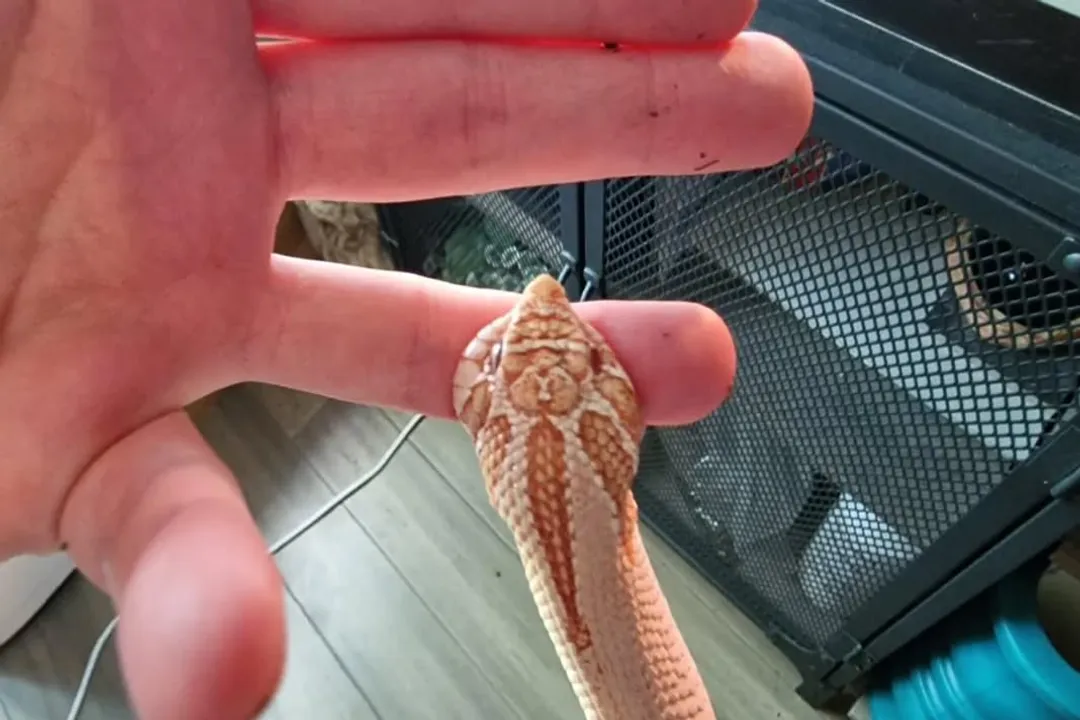
Encountering a hognose snake bite, whether from a pet or a wild specimen, often causes an initial spike of alarm, which is completely understandable when dealing with any reptile that possesses teeth and venom. However, the good news, widely shared among keepers and those who have experienced it, is that the danger level associated with these bites is significantly lower than with many other common captive snakes. These rear-fanged snakes, known for their dramatic displays like flattening their necks or playing dead, possess venom that is generally considered non-medically significant to humans. While this mild nature is reassuring, it does not mean the event should be ignored entirely.
# Venom Profile

The venom injected by hognoses, such as the Eastern, Western, or Southern species, is usually described in terms of its localized effect rather than a systemic threat. Many keepers relate the immediate feeling and subsequent reaction to being stung by a large bee or wasp. This comparison helps set expectations, suggesting that the reaction will primarily be felt at the site of the bite.
However, personal experiences shared across reptile communities reveal a notable variability in reactions. While some people report almost no noticeable effect beyond a brief pinch, others describe localized swelling, redness, and itching that can linger for a few days. In one account, a bite resulted in redness that felt similar to a bee sting, lasting about two days. Another experience noted that swelling could develop slowly, sometimes spreading up the arm over the course of several days. This variance emphasizes that individual sensitivity plays a large role in the outcome.
# Initial Response Checklist
If you find yourself bitten, establishing a quick, calm procedure is the best way to manage the situation. Do not panic or try extreme measures, as these often cause more harm than good.
The very first steps should focus on cleanliness:
- Wash Thoroughly: Immediately clean the bite area using mild soap and running water. This step is critical for washing away any saliva or surface bacteria that could lead to a secondary infection.
- Apply Cold: Use a cold compress or ice pack on the affected area. Applying cold helps constrict blood vessels, which can reduce localized swelling and potentially slow the spread of any venom components.
- Avoid Unnecessary Procedures: Do not cut the wound or attempt to suck out the venom. These actions are outdated practices that significantly increase the risk of introducing bacteria or damaging tissue unnecessarily.
After the initial cleaning, the next phase involves managing the localized discomfort that is most likely to occur.
# Symptom Management
For the typical hognose bite, management centers on comfort and monitoring for signs of infection or allergic reaction, rather than administering specific antivenom.
Over-the-counter medications can be very effective for managing the common symptoms. If pain or inflammation is present, nonsteroidal anti-inflammatory drugs (NSAIDs) like ibuprofen, or simple pain relievers like acetaminophen, can often provide relief. If itching is a prominent symptom, an oral antihistamine may help soothe the skin irritation.
It is important to keep the area as clean and dry as possible following the initial wash. While reactions are typically mild, persistent localized swelling that does not begin to recede after 24 to 48 hours should be monitored closely.
It’s worth noting that because these snakes often deliver quick, dry bites—sometimes even missing or only getting a slight scratch—the resulting reaction might sometimes be attributed more to mechanical injury from the teeth than the venom itself, which can muddy the assessment of the actual venom effect.
# Recognizing Red Flags
Although severe reactions are rare, they are possible, especially in individuals with pre-existing sensitivities or allergies. While anaphylaxis from a hognose bite is extremely uncommon, the possibility means you must remain vigilant for signs that warrant professional medical intervention.
Seek emergency medical attention immediately if you experience any of the following systemic symptoms:
- Difficulty breathing or shortness of breath.
- Widespread hives or a rash appearing away from the bite site.
- Dizziness, nausea, or a sudden feeling of illness.
- Swelling that involves the face, lips, or throat.
In addition to allergic reactions, monitor the wound itself for signs of secondary bacterial infection. These signs include increased warmth radiating from the bite, spreading redness beyond the initial inflamed area, and the presence of pus or drainage. While cleaning the wound is preventative, monitoring is essential because any break in the skin carries a risk.
# Handling Habits
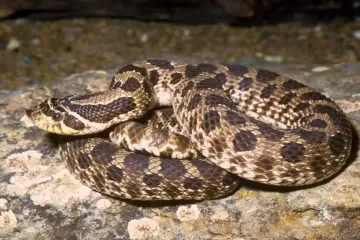
A significant part of understanding the bite risk relates to understanding the snake's natural defense mechanisms. Hognoses are famously dramatic; they hiss loudly, spread their neck into a cobra-like hood, and when that fails, they often flip onto their backs and play dead (thanatosis).
One productive way to approach handling is to view their defensive displays as absolute indicators that the animal is stressed and needs to be left alone, rather than viewing their defensive posture as a challenge or a playful trick to show off to others. When a hognose inflates its neck, it is signaling high stress; continuing to attempt handling at that moment significantly increases the likelihood of a defensive bite occurring because the snake feels it has exhausted its passive defenses and must escalate. Recognizing and respecting the initial flattening or hissing as a signal to gently place the snake down reduces the opportunity for a bite to happen in the first place.
# Tracking Personal Responses
Because the anecdotal evidence suggests that reactions can be inconsistent from one person to the next, and perhaps even inconsistent for the same person over time, keeping a brief record of interactions is surprisingly useful for long-term husbandry. This isn't about creating complex medical documentation, but simply noting the date, the duration of any swelling, and the severity of pain on a scale of 1 to 10. If you are bitten twice a year apart, having a baseline helps you judge whether the second reaction is typical for you or if it represents a change in your sensitivity to the venom. This low-key tracking allows an owner to establish their personal "normal" response, which becomes invaluable if the reaction ever shifts dramatically toward something requiring further consultation.
For the vast majority of encounters, the hognose bite remains a mild inconvenience—a story to tell—rather than a medical emergency, provided basic first aid is followed and warning signs are heeded.
#Videos
How to remove a Hognose if it Bites You !! - YouTube
How To Handle Hognose Bites - YouTube
Related Questions
#Citations
Hognose bites? : r/hognosesnakes - Reddit
How to remove a Hognose if it Bites You !! - YouTube
Hognose envenomation | Our Reptile Forum
Hognose snake bite effects and symptoms - Facebook
Hog nose biting - Hognose Snakes - MorphMarket Reptile Community
How are hognose snake bites treated? - Quora
Are Hognose Bites Really JUST a Bee Sting? - Reptile Forums