What is the biological classification for the egg-eater's intimidating display sequence?
Answer
Deimatic behavior, intended purely for bluffing and startling threats.
The elaborate and intimidating defensive sequence exhibited by *Dasypeltis scabra* when cornered is a textbook example of deimatic behavior. This type of behavior is characterized by startling displays designed entirely to bluff or frighten a potential predator into abandoning an attack. The sequence includes loud hissing, repeated striking motions, flattening the head to appear broader, raising specialized neck scales, and producing a buzzing sound via scale rattling. The goal is not to fight, but to convince the perceived threat that the egg-eater is too dangerous or unpleasant to consume.
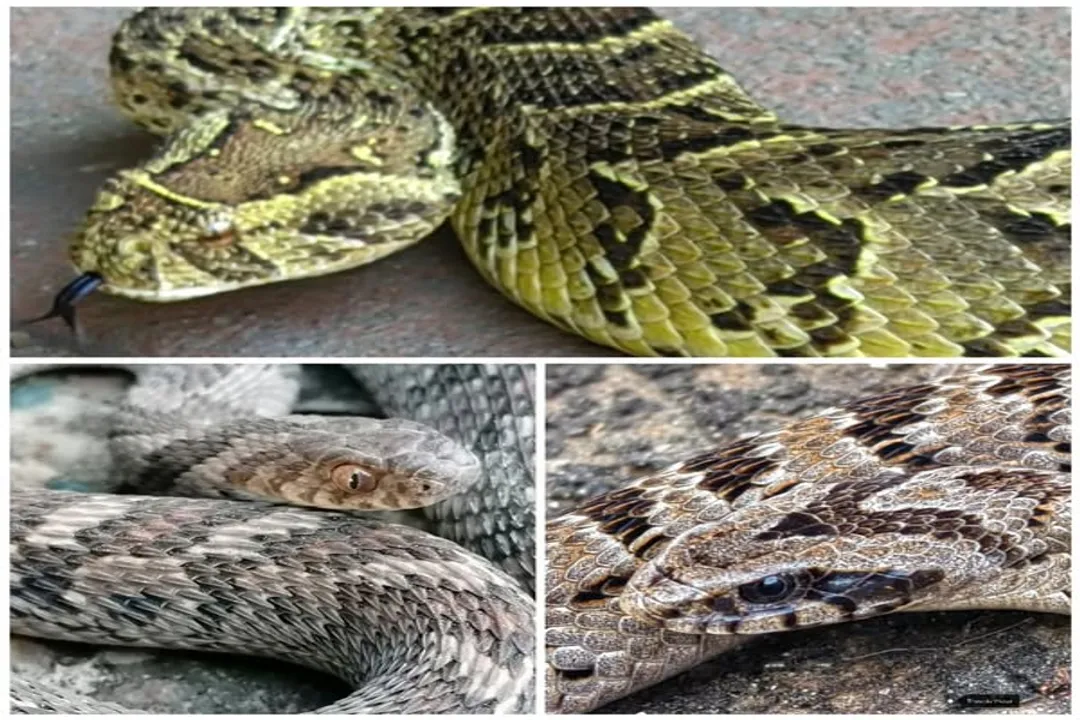
#Videos
Night Adder vs Egg Eater - YouTube
Related Questions
Is the Rhombic Egg Eater, Dasypeltis scabra, venomous?What specialized feature allows Dasypeltis scabra to crack eggs internally?What specific defensive sound is produced by the Rhombic Egg Eater's scales?Which venomous species is often mistaken for the Rhombic Egg Eater in regions like South Africa?What evolutionary factor reduces the selective pressure for venom production in *D. scabra*?What is the biological classification for the egg-eater's intimidating display sequence?What descriptive feature identifies the Rhombic Egg Eater by its common name?What is the result of the specialized consumption process when an egg is digested by *D. scabra*?What observation about the Rhombic Egg Eater's behavior confirms its nocturnal hunting schedule?What defensive posture often gives *Dasypeltis scabra* a surprisingly broad appearance?