Do egg eater snakes only eat eggs?
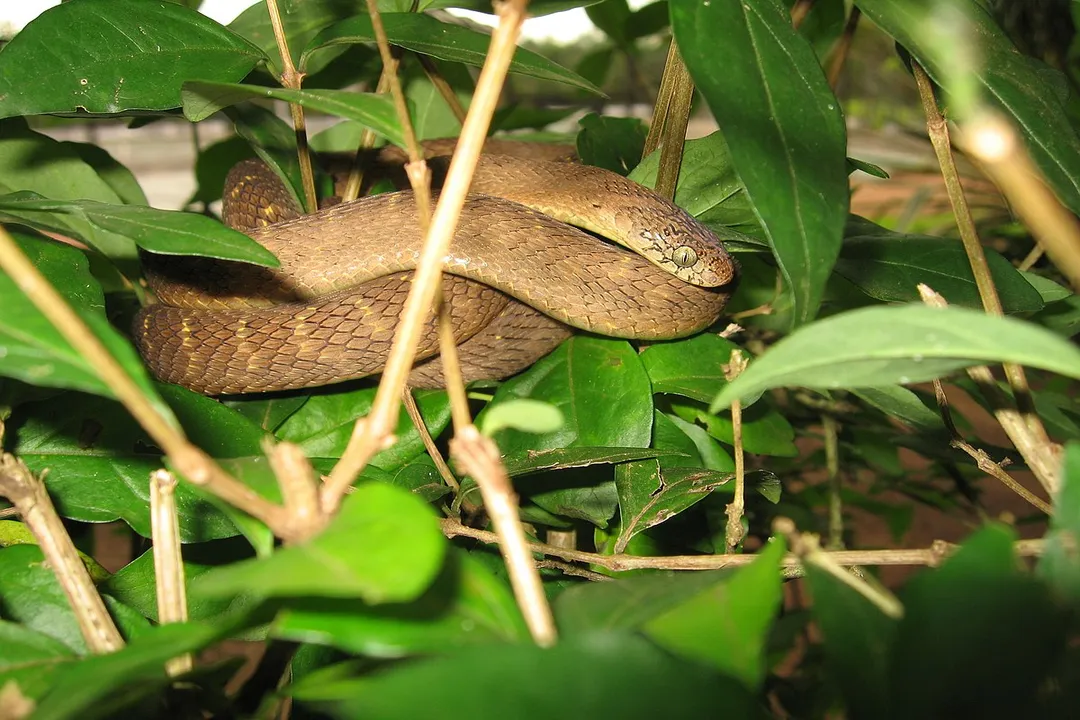
The name itself, "egg-eater snake," suggests a creature with a singular, unwavering focus in its culinary pursuits, immediately leading many to wonder if their diet consists only of eggs, with zero deviation. For the species most famously associated with this label, particularly those within the genus Dasypeltis, the answer leans very heavily toward yes, representing one of the most extreme dietary specializations found in the reptile world. These snakes have streamlined their entire existence around the consumption of avian eggs, a lifestyle that demands unique anatomical modifications that few other snakes possess.
# Extreme Diet
These specialized snakes, frequently referred to simply as egg-eaters, are recognized primarily for their near-exclusive reliance on eggs. They do not generally hunt for the typical reptilian fare of rodents, lizards, or amphibians. Instead, their sustenance comes from the reproductive output of birds. This specialization means that, unlike a generalist snake species that might shift its prey base depending on seasonal availability, the egg-eater's survival is intrinsically linked to the presence of suitable nests.
The geographical distribution of the most well-studied group, the Central African egg-eating snakes (Dasypeltis species), puts them in regions where they can access a wide variety of bird eggs. However, even within this specialized niche, there is a hierarchy of preference and necessity. While eggs are the goal, the type of egg can vary significantly based on the snake’s exact location and species. For instance, a snake in one region might specialize in the eggs of small passerines, while another population focuses on slightly larger fowl eggs.
# Feeding Mechanics
The process by which these snakes consume and digest eggs is where their specialization becomes truly apparent and quite remarkable to observe. A key difference between egg-eaters and many other snakes is their handling of the shell. Most snakes that consume eggs must either swallow them whole and deal with the shell internally, or they may break the shell externally. Dasypeltis, however, has evolved a sophisticated, multi-step internal process.
When an egg-eater swallows an egg, it moves down the esophagus until it reaches a precise point where several vertebral processes, or modified teeth, jut inward from the spine. These structures are perfectly aligned with the palate. The snake then uses the kinetic motion of its jaw and the pressure exerted by its body muscles to press the egg against these internal ridges, effectively cracking or crushing the shell. Once the shell is fractured, the viscous contents—the yolk and albumen—are squeezed out and absorbed by the snake's body. What remains is the empty, hardened shell.
The snake then employs a fascinating final maneuver: the shell pieces are regurgitated back out through the mouth. This complex, multi-stage process highlights an anatomy uniquely sculpted by evolutionary pressure toward this single food source. It necessitates a mouth structure capable of stretching immensely to accommodate the egg initially, followed by the precise coordination of vertebrae and jaw movement for processing.
# Genus Focus
The genus Dasypeltis is the archetypal egg-eater group. Researchers have documented a significant degree of morphological adaptation in these snakes, directly correlating to their egg-centric diet. The variation in skull structure and the number/size of the specialized vertebral processes can differ even between closely related Dasypeltis species. This variation often suggests different evolutionary pressures related to the average size and hardness of the eggs available in their respective habitats.
Observing these snakes in the wild or in controlled settings shows that they are primarily nocturnal foragers. They use their keen sense of smell to locate nests. Their slender build, often mistaken for harmlessness, is perfectly suited for navigating the confined spaces of tree cavities or dense undergrowth where bird nests might be situated.
A point worth noting when contrasting the Dasypeltis group with other snakes that occasionally consume eggs is the degree of commitment. Many snakes, like certain Rat Snakes (Pantherophis), will readily consume eggs when available, but they are also perfectly happy consuming rodents or other small vertebrates when the opportunity arises. The Dasypeltis species, conversely, seem evolutionarily locked into the egg diet, suggesting that the energetic payoff of eggs outweighed the versatility of a varied diet over millennia. If an owner of a pet egg-eater attempts to feed it non-egg items, the snake will almost invariably refuse, reinforcing this dietary restriction.
# Dietary Variety
To fully answer whether they only eat eggs, one must look at the exceptions or the very fringes of their feeding behavior. While the defining characteristic is egg consumption, absolute dietary purity is rare in nature. When prey availability plummets, highly specialized animals face starvation or adaptation pressure.
In the case of Dasypeltis, while eggs are overwhelmingly the main component of their diet, there are anecdotal or limited scientific accounts suggesting they might occasionally take very small, soft-bodied prey, such as hatchling chicks or very soft invertebrates, if eggs are entirely absent. However, this is usually described as a desperate measure rather than routine feeding behavior. Their physical apparatus—the inward-pointing vertebral teeth and the lack of true maxillary teeth for grasping and holding struggling prey—makes hunting active vertebrates incredibly difficult, if not impossible, for them. A snake adapted to swallowing a smooth, spherical object whole is not physically equipped to secure a wriggling lizard. Therefore, for all practical intents and purposes regarding nutrition and routine feeding, the egg-eater only eats eggs.
# Origin Stories
The evolution of such extreme dietary focus is a classic case study in adaptation. The selective pressure came from the sheer abundance of bird eggs in their African ecosystems. Imagine a scenario where, in a specific niche, eggs provide a massive, high-calorie meal that requires little physical struggle to capture compared to chasing down warm-blooded prey. Once a genetic predisposition allowed a snake to successfully digest one egg more efficiently than others, the trait would be strongly favored, leading to specialization over time.
This evolutionary path contrasts sharply with snakes that inhabit similar regions but remain generalists. A generalist snake might eat rodents, lizards, frogs, and occasionally eggs. While the generalist might miss out on the high-fat concentration of an occasional egg, it maintains the flexibility to survive lean times for any single prey type by switching to another. The egg-eater traded this versatility for unparalleled efficiency in one specific task.
# Keeper Notes
Understanding this deep specialization is vital for anyone interested in keeping these fascinating snakes, whether in a professional capacity or as a dedicated hobbyist. The primary takeaway is that captive care must perfectly mimic the natural diet, as the snake's physiology simply won't allow for substitutions.
When sourcing eggs for a captive Dasypeltis, a common mistake is assuming any bird egg will suffice. Because different Dasypeltis species evolved alongside different bird species, the size and shell texture are crucial parameters. For instance, a snake whose wild diet consisted of quail eggs may struggle or refuse much larger chicken eggs, or conversely, might not receive sufficient caloric intake from tiny finch eggs if it is a larger species. The owner must research the specific locality and size profile of the snake they possess to ensure the offered egg presents an appropriate physical challenge—not too big to swallow, but substantial enough to provide the necessary nutrition.
A key consideration often overlooked by newcomers is hydration, which relates directly to the egg's contents. Eggs are mostly liquid, providing both nutrition and water. A snake eating eggs needs access to water for soaking, but its primary moisture intake comes directly from its food source. When an egg-eater is refusing eggs, it’s not always because it’s "full" in the typical sense; it might be a sign that the provided eggs are too old, too large, or the wrong type entirely, signaling a nutritional deficit that the snake cannot overcome by seeking alternate, unsuited prey. The anatomy designed to crush one specific item makes problem-solving outside that specific food item nearly impossible.
#Videos
Amazing snake facts! Do egg-eaters eat only eggs? How ... - YouTube
Related Questions
#Citations
Central African egg-eating snake - Wikipedia
Thoughts on egg eating snakes? - Reddit
Hi i know this might be a silly question but i just thought of it now ...
Egg-eating snake | Oviparous, Digestive System, Adaptations
Egg-eating snakes
Amazing snake facts! Do egg-eaters eat only eggs? How ... - YouTube
Egg-eating snakes - Why Evolution Is True
How do snakes eat eggs with their small mouth? - Quora
Do African egg‐eating snakes (Dasypeltis) exhibit preference for ...