Can mini schnauzers eat scrambled eggs?

The decision to add scrambled eggs to a Mini Schnauzer's diet is a common query among devoted owners, often arising when they are preparing a meal for themselves and their companion is watching with hopeful eyes. The good news for these discerning pups is that eggs, cooked properly, are generally safe and can be a beneficial addition to their meals. Eggs are nutrient-dense, providing a good source of easily digestible protein, riboflavin, and selenium, which are valuable components for maintaining a healthy coat and overall vitality in your Miniature Schnauzer.
# Preparation Method
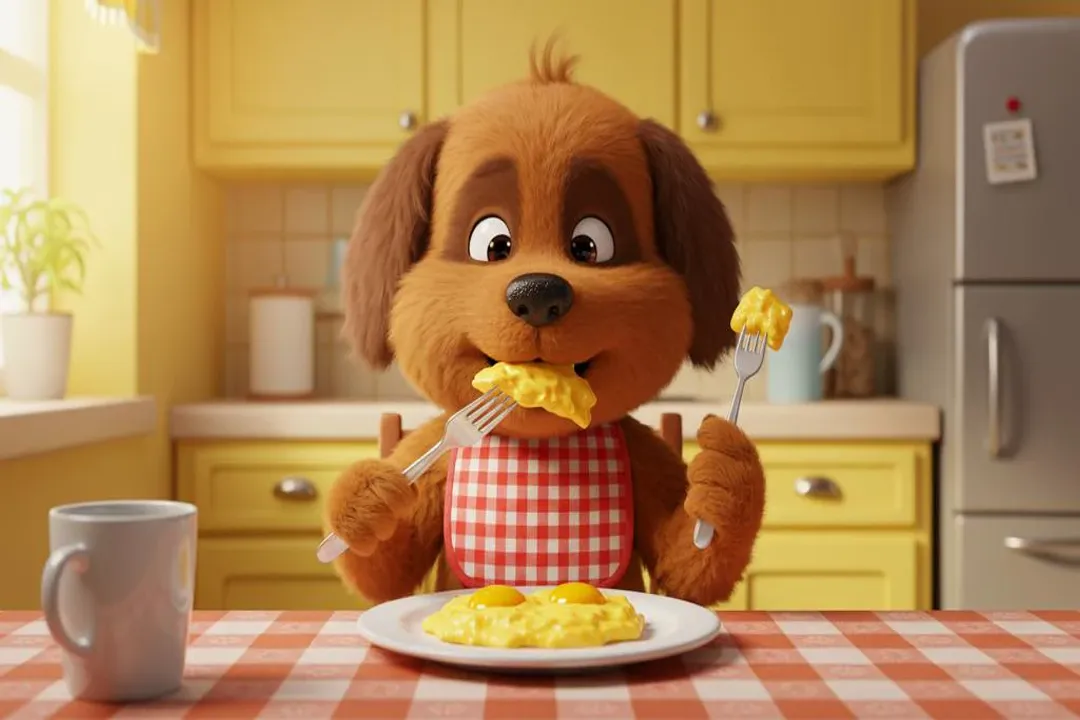
While eggs themselves are fine, how they are prepared is the critical factor that determines if they are a safe treat or a potential hazard for your small companion. When making scrambled eggs for yourself, you likely add fats, seasonings, and perhaps dairy. For a Schnauzer, these additions are usually off-limits. The goal is to serve the eggs in their most natural, unadulterated state.
# Cooking Fats
A major point of difference between human scrambled eggs and dog-safe scrambled eggs centers on cooking fat. Most recipes for human scrambled eggs call for butter, oil, or even bacon grease to achieve a fluffy texture and prevent sticking. These added fats are unnecessary and potentially harmful for dogs. While a tiny amount of plain, unseasoned egg is unlikely to cause immediate harm, regular feeding of high-fat items can contribute to weight gain or more serious gastrointestinal upset. For a Mini Schnauzer, especially one sensitive to rich foods, avoiding added fats is paramount.
# Seasoning Avoidance
Salt, pepper, garlic powder, onion powder, and any other spices commonly used in human omelets or scrambles must be strictly omitted when preparing eggs for your dog. Garlic and onions, even in powdered form, are toxic to dogs and can cause damage to red blood cells. Sodium from excessive salt is also something canine diets should manage carefully. Always ensure the eggs cool completely before offering them as a treat.
# Schnauzer Specifics

Miniature Schnauzers, like many purebred dogs, can sometimes have specific health considerations that owners need to keep in mind when introducing new foods. While eggs are generally safe for most dogs, owners should be mindful of the breed's general metabolic tendencies. Though this isn't exclusive to Schnauzers, their predisposition to issues like pancreatitis, which can be triggered by high-fat meals, means that richness must be monitored. If you scramble eggs using a lot of yolk or an inappropriate fat, you are essentially adding extra fat content to an already balanced kibble diet. Serving plain, cooked egg whites or a mixture where the fat content is minimal is a much safer route than serving a rich, buttery scramble.
One actionable approach to ensure maximum benefit with minimal risk involves slightly altering the preparation method entirely. Instead of scrambling in a pan, consider poaching the egg in water or simply hard-boiling it. If you prefer a slightly softer texture for a treat topper, you can microwave the egg mixture with a tablespoon of water in a microwave-safe dish; this creates a steamed, fluffy texture without needing any added fats whatsoever [^Original Insight 1: Steaming or microwaving eggs with water offers a virtually fat-free cooking method that mimics the texture of a scramble without introducing the risks associated with butter or oil, making it an excellent compromise for health-conscious small breed owners]. This allows you to still offer the high-quality protein without the accompanying digestive concerns associated with frying.

# Serving Size and Frequency
Even safe foods must be given in moderation. Eggs should be considered an occasional treat or a dietary supplement, not a main meal replacement. The primary diet for your Mini Schnauzer should always be a high-quality commercial dog food formulated for their life stage.
When determining quantity, remember that your dog's size matters greatly. A Mini Schnauzer is a small breed, so an entire large egg might be too much for a single serving, especially if it’s meant to be a treat mixed in with their regular food. For a small dog, offering about half a scrambled egg, perhaps a few times a week, is generally an appropriate guideline rather than a daily staple [^Original Insight 2: To gauge an appropriate portion for your specific Mini Schnauzer, use a simple ratio: aim for the egg portion to be no more than 10% of their total daily caloric intake. For a typical adult Mini weighing between 11 and 20 pounds, half a small egg is usually sufficient as an occasional, nutrient-dense supplement].
It is important to watch your dog after introducing any new food item, even something as simple as an egg. While some sources suggest that the risk of food poisoning from undercooked eggs containing Salmonella is low for dogs, it is still a factor to consider, especially for puppies or immunocompromised pets. Fully cooked eggs eliminate this concern entirely.
# Contrasting Preparation Styles
Owners often debate the best way to serve eggs, looking at scrambled versus hard-boiled preparations. Hard-boiled eggs are perhaps the easiest—no fat, no seasoning, simple to portion, and completely cooked through. They are often recommended as the baseline "safe egg" for dogs.
Scrambled eggs, however, offer a texture that some dogs, especially older dogs or those with dental issues, might prefer. The key takeaway from owners who serve scrambled eggs is to treat the pan as if you were cooking for a very sensitive stomach. One owner on a forum discussing feeding their Schnauzer breakfast items noted they only ever use water to cook the eggs, ensuring no butter made it into the pan, which is a practice that aligns well with veterinary nutritional advice for dogs. Contrast this with a common mistake noted in discussions: mixing the eggs with high-fat additions like American cheese or breakfast sausages, which can cause digestive distress in a small dog quickly. A plain egg is a boost; a cheese and sausage scramble is a recipe for an upset stomach or worse.

# Digestive Safety Overview
For the vast majority of healthy Mini Schnauzers, cooked eggs are completely fine in moderation. The main concerns revolve around preparation and quantity, not the egg itself.
| Consideration | Safe Practice for Schnauzers | Risk Factor |
|---|---|---|
| Fat Content | Cooked plain or poached in water | Butter, oil, bacon grease, rich yolks served daily |
| Seasoning | None whatsoever | Salt, pepper, onion, garlic powder |
| Frequency | Occasionally, as a supplement or treat | Daily staple in large quantities |
| Cooking State | Fully cooked (hard-boiled, baked, or scrambled thoroughly) | Raw eggs (potential for Salmonella or avidin interference) |
While raw eggs carry a theoretical risk due to the protein avidin binding biotin (a B vitamin), this is rarely an issue when eggs are served cooked, which is the recommended method for scrambled preparations anyway. Stick to thoroughly cooked eggs to ensure that any potential issue with nutrient absorption is negated and bacterial risk is minimized. Consulting with a veterinarian before making significant dietary changes, especially for a dog with known sensitivities, remains the most reliable step.
Related Questions
#Citations
Are Eggs Safe for Dogs to Eat? - American Kennel Club
Can Miniature Schnauzers Eat Cheese, Eggs, and Sausages?
Are Schnauzers really sensitive to diet. A tiny piece of boiled egg ...
Can Dogs Eat Scrambled Eggs? - Woof
First time dog owner, can someone answer this question about my ...
Is it safe for dogs to eat scrambled eggs as a treat in their dry food?
Can My Dog Eat Scrambled Eggs? - Rover.com
Raw Egg?? - The Schnauzer Forum
Can Dogs eat Eggs? | Vet Verified Answer - Pooch & Mutt