What defensive sound, described as a rasping, buzzing noise, is produced by Dasypeltis rubbing their scales together?
Answer
Stridulation
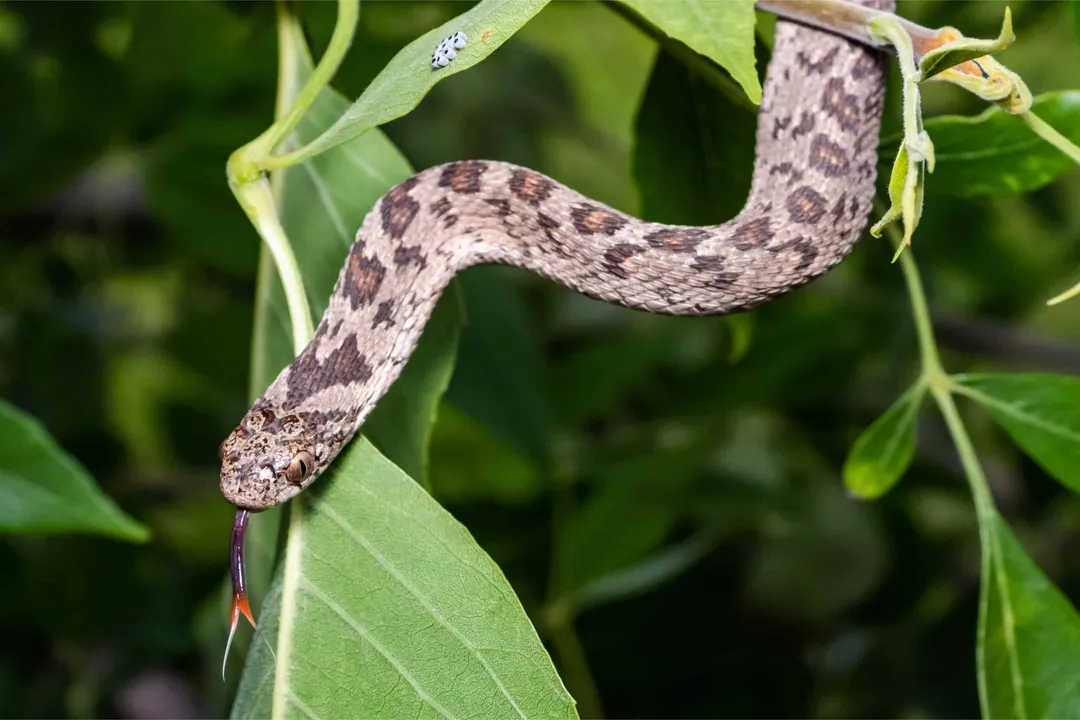
When feeling threatened, egg-eating snakes employ several warning signals before resorting to physical defense. One particularly notable signal is stridulation, which involves the snake rubbing its scales against each other. This friction generates a distinct rasping and buzzing sound. This auditory display functions as an explicit warning signal to deter potential threats or observers, demonstrating the snake's intent to appear dangerous without necessarily engaging in a physical confrontation unless severely stressed or cornered.
#Videos
Night Adder vs Egg Eater - YouTube
Related Questions
What is the exclusive diet focus of the Dasypeltis genus, making them obligate oophages?What unique physical feature allows the Rhombic Egg-Eater to swallow eggs larger than its own head diameter?What defensive sound, described as a rasping, buzzing noise, is produced by Dasypeltis rubbing their scales together?What is considered the most significant advantage (pro) for hobbyists choosing to keep egg-eaters as pets?Which defensive behavior might the Rhombic Egg-Eater display when provoked, alongside hissing?What metabolic consequence manifests in an egg-eater if it misses too many feedings or consumes eggs of unsuitable size?What is the primary reason striking behavior is observed in Dasypeltis when handled improperly?What environmental feature, essential for mimicking their nocturnal habitat, helps ensure an egg-eater feels secure enough to remain calm?What do keepers who initiate handling slowly and consistently frequently report regarding the temperament of adult egg-eaters?What characteristic often contrasts the perceived docility of egg-eaters with some other small, common snake species?