Are egg eater snakes aggressive?
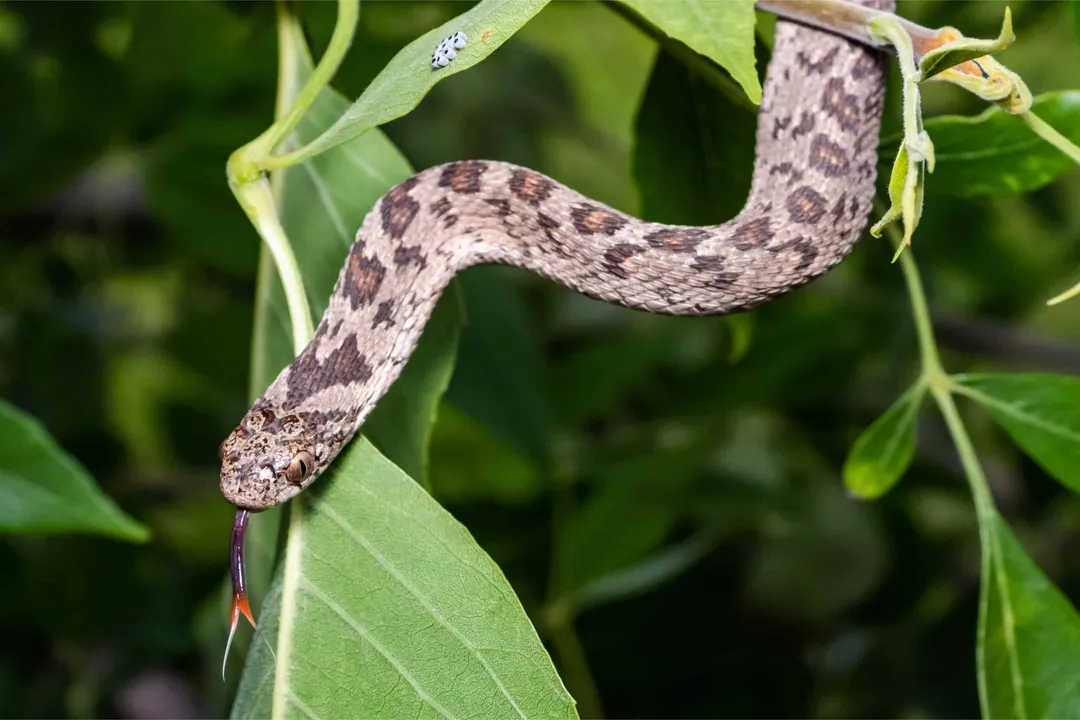
The Dasypeltis genus, commonly known as egg-eating snakes, presents a fascinating case study in specialized reptile behavior, often leading keepers and observers to question their disposition. These snakes are highly specialized obligate oophages, meaning their entire diet revolves around consuming bird eggs, sometimes exclusively. [3][4] This unique feeding specialization inherently influences their lifestyle and, consequently, how they react when encountered or handled. Unlike many common pet snakes that readily accept rodent prey, the primary concern regarding the aggression of egg-eaters usually centers on their defensive capabilities when they feel cornered or stressed rather than predatory intent toward humans. [7]
# Diet Specialization
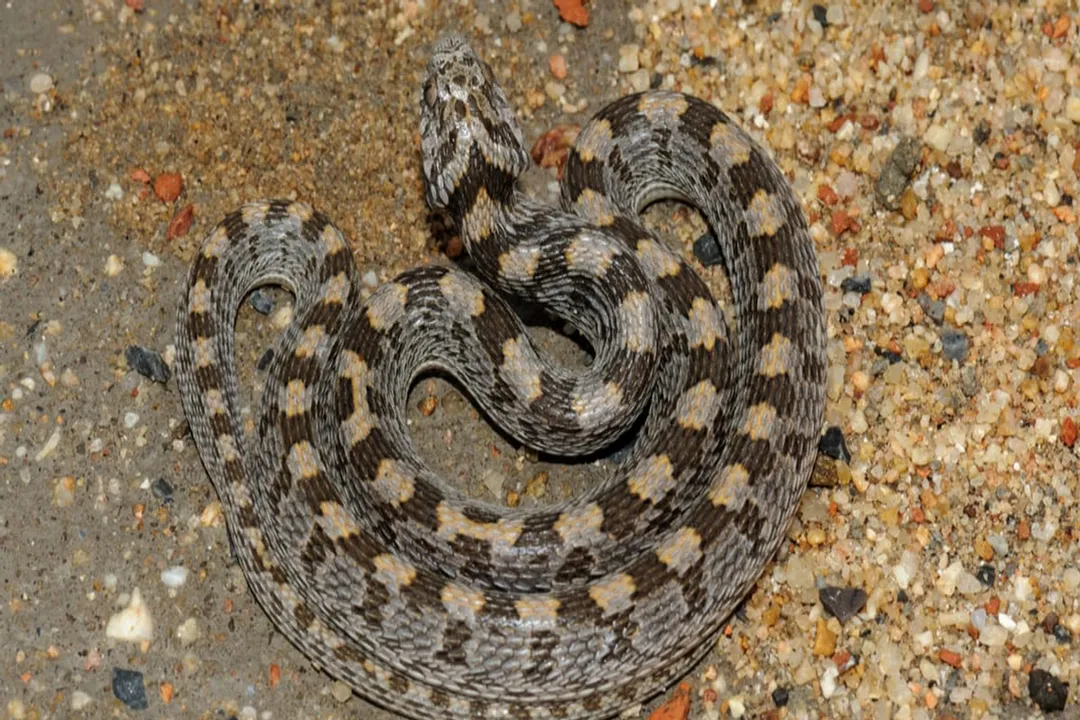
Egg-eaters are remarkable for their evolutionary adaptation to a single food source. The Rhombic Egg-Eater (Dasypeltis scabra), for instance, is one of the better-known species within this group. [3] They possess unique vertebral adaptations allowing them to crush and swallow eggs significantly larger than their own head diameter, after which the shell is regurgitated. [4] This dietary focus means they are not interested in mammalian prey, a significant pro for many prospective keepers seeking a snake without the need to source rodents. [7] Understanding this specialization is key because a snake whose entire existence is structured around a specific, non-aggressive food source might inherently possess a less volatile baseline temperament compared to generalist predators.
# Docility Demonstrated
When observing these creatures, particularly those in captivity or carefully managed social media videos, a prevalent theme emerges: they are often described as entirely docile. [5] Video documentation, such as one showing an African egg-eating snake species, highlights individuals that are comfortable and placid even with handling, suggesting a general lack of inherent aggression toward people. [5] Observers note that in many situations, they are quiet and non-confrontational. [3] This perceived docility is a strong positive point for those considering them as pets, contrasting sharply with the defensive nature of some other small, common snake species. [7]
# Defensive Display
Despite the documentation of docility, it is crucial to understand their natural defense mechanisms, which can easily be misinterpreted as aggression by inexperienced observers. When threatened, egg-eaters do display defensive behaviors. The Rhombic Egg-Eater, for example, may flatten its neck and hiss when provoked. [3][4] Furthermore, they are known to rub their scales together to create a rasping, buzzing sound, a form of stridulation, which serves as a warning signal. [4] Some individuals, when severely stressed or handled improperly, might resort to striking, though sources often imply this is a last resort or a reaction to rough treatment. [1][8] One keeper noted that while their snake did strike once when a hand was shoved near it unexpectedly, it was otherwise calm and not prone to biting defensively. [8]
If we consider the context of observation, the distinction between defensive behavior and aggression becomes clear. A snake raised in a situation where human interaction is predictable and gentle—a controlled captive environment—will almost certainly display lower defensive reactivity than one captured from the wild or one kept in an enclosure that offers insufficient hiding spots, leading to chronic stress. [5][1] The striking behavior observed is typically an attempt to intimidate a perceived threat, rather than an active predatory move against the handler. [4]
# Pet Keeping
The decision to keep an egg-eater involves weighing specific pros and cons, many of which loop back to their non-aggressive nature relative to feeding habits. The most significant pro is undoubtedly the diet; never needing to handle rodents or deal with the associated smell is a major advantage for many hobbyists. [7] However, the main con often relates to the specialized diet itself—sourcing appropriate sizes of bird eggs consistently can be challenging, which speaks to the necessary expertise required for their care. [7] Temperamentally, they are generally considered small, quiet, and somewhat shy snakes, making them appealing. [7] A significant piece of advice coming from experienced keepers is the need for gentle handling, understanding that these are not snakes that necessarily tolerate rough prodding or constant handling sessions. [1][8]
An interesting observation from long-term keepers centers on acclimation: those who start handling their snakes slowly and consistently often report very calm adults, suggesting that while their natural inclination leans toward avoidance, they can habituate well to responsible interaction. [1] This mirrors the behavior seen in videos where the snakes appear comfortable being observed and gently held. [5]

# Stress Management
Managing the environment to minimize stress is perhaps the most direct way to mitigate any perceived aggression. Since the primary reaction documented is defensive, reducing the stimulus for defense is paramount. [4][8] For instance, one user on a reptile forum mentioned that they only handle their egg-eater when necessary, avoiding unnecessary prodding, which helps maintain the snake's relatively good temperament. [8]
A key consideration, which adds value to the discussion of temperament in specialized feeders like the Dasypeltis, is the nutritional window. If an egg-eater misses too many feedings or is forced to consume eggs of an unsuitable size (too small or too large), the resulting metabolic stress can manifest as increased irritability or sluggishness, often mistaken for general aggression or lethargy. [4][7] Maintaining a consistent supply of appropriately sized quail or finch eggs is therefore not just a matter of survival, but a component of behavioral health. Ensuring that the enclosure provides ample security, such as multiple hiding spots or appropriately sized substrates that allow for burrowing—mimicking their natural nocturnal, terrestrial habitat—further ensures the snake feels secure enough to remain calm when the owner needs to interact with it. [3]
| Temperament Indicator | Observation/Behavior | Source Implication |
|---|---|---|
| Baseline | Docile, quiet, non-confrontational [3][5] | Low inherent aggression toward humans. |
| Mild Stress | Hissing, flattening neck, scale-rubbing (stridulation) [3][4] | Warning display; not an attack. |
| High Stress | Striking (rarely biting) [1][8] | Reaction to feeling trapped or roughly handled. |
| Keeper Impact | Requires gentle, slow introduction to handling [1][8] | Temperament improves significantly with proper acclimation. |
Ultimately, the consensus leans toward the Dasypeltis genus being non-aggressive pets, provided their unique needs are respected. They are not typically defensive biters, but they will certainly vocalize and display alarm if they feel their safety is compromised, a behavior common across most wild-caught or poorly acclimated snakes, regardless of species. [1][8] The dedication required to supply their specific diet is the real hurdle, not managing a typically aggressive disposition.
#Videos
Night Adder vs Egg Eater - YouTube
Related Questions
#Citations
Questions About Caring For African Egg Eating Snakes? - Reddit
I'm not from South Africa, just a comment on the egg eating snake , it ...
Rhombic Egg-Eater Snake - Dasypeltis scabra - A-Z Animals
Dasypeltis scabra - Wikipedia
Egg-eater Snake The egg-eater snake, despite its name ... - Instagram
What are the pros and cons of keeping a pet egg-eating snake ...
SAReptiles • View topic - Care Sheets For Egg Eaters
Night Adder vs Egg Eater - YouTube