How venomous is the central ranges taipan?
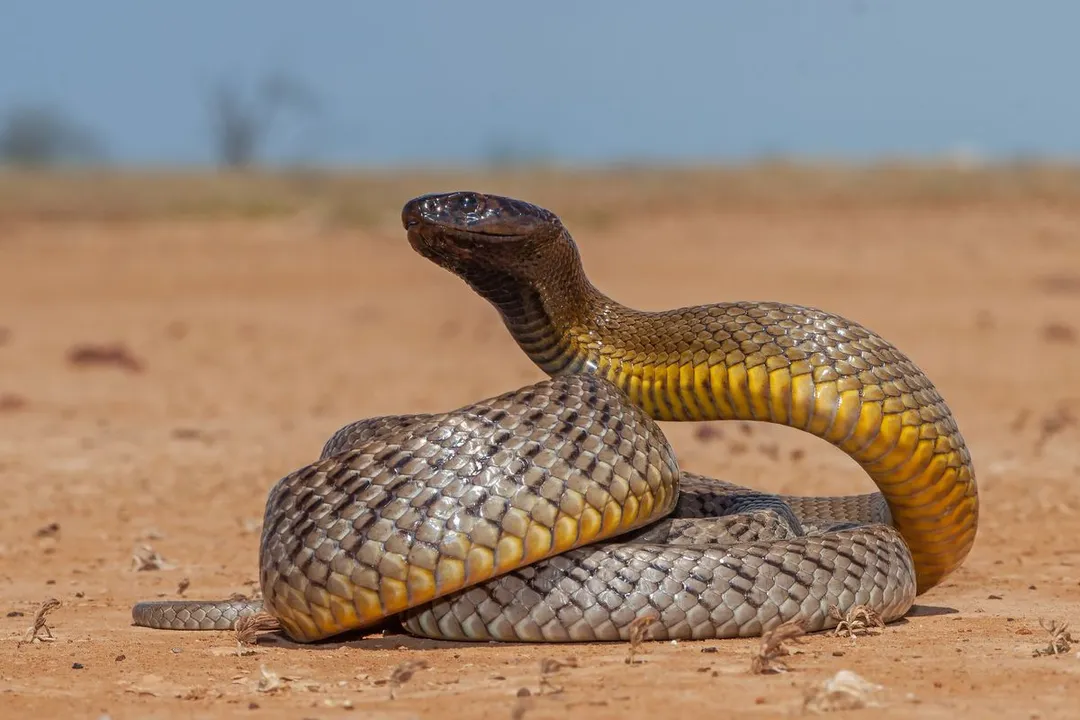
The Central Ranges Taipan, scientifically noted as Oxyuranus temporalis, presents a fascinating, albeit sometimes complicated, subject when discussing venomous snakes. Its true danger level is deeply intertwined with its taxonomic classification, often being discussed in relation to its far more famous cousin, the Inland Taipan (Oxyuranus microlepidotus). To assess how venomous this particular taipan is, one must first establish its identity, as available toxicological data often relies heavily on the known profile of the Inland Taipan.
# Identity Question
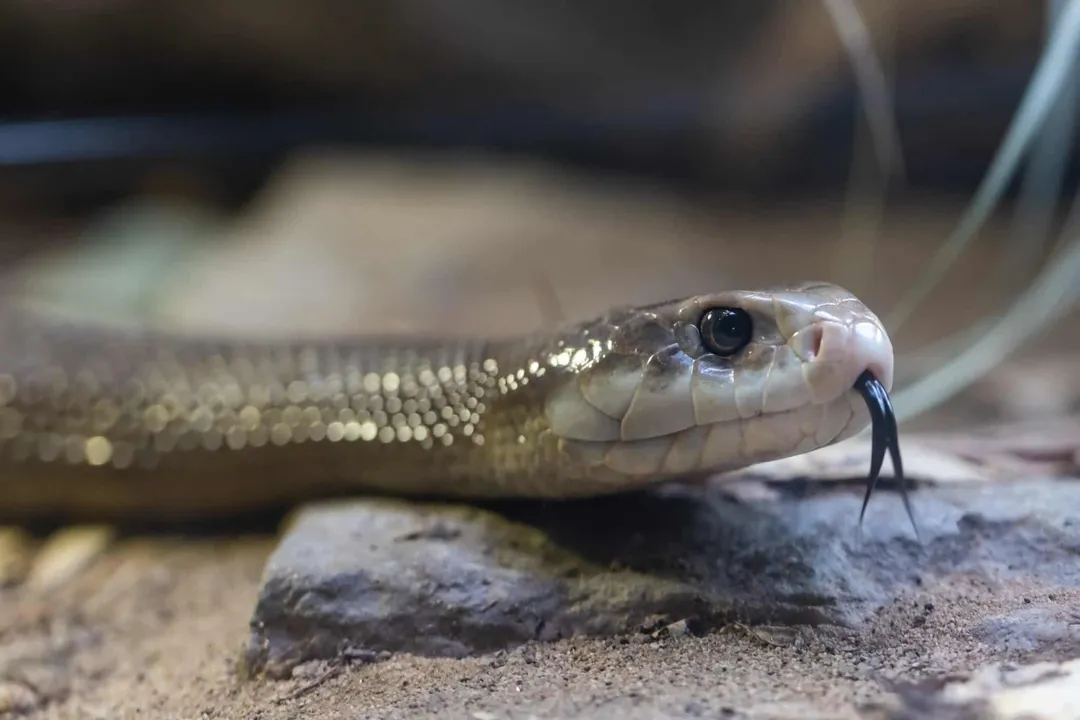
The status of the Central Ranges Taipan remains somewhat fluid within herpetology. Some experts consider Oxyuranus temporalis to be a valid, distinct species found in the central ranges of Australia. Others, however, suggest that it may either be synonymous with, or perhaps a geographically isolated subspecies of, the Inland Taipan. This distinction is not merely academic; it influences how we categorize venom toxicity profiles and geographic risk zones. If they are the same animal, the venom potency rankings are clear; if they are separate, there is a potential for subtle, unquantified differences in venom composition across their respective ranges.
# Toxicity Benchmark

When discussing the venom potency of Oxyuranus species, the established global benchmark is almost always the Inland Taipan (O. microlepidotus). The venom of the Inland Taipan is routinely cited as the most toxic of any land snake in the world, based on standardized tests measured by the median lethal dose () in mice. This venom is incredibly potent, designed to swiftly incapacitate its prey, which primarily consists of small mammals.
If the Central Ranges Taipan shares the exact venom profile of the Inland Taipan, then it sits at the absolute pinnacle of terrestrial snake venom toxicity. The venom is a complex cocktail, heavily featuring presynaptic and postsynaptic neurotoxins, which attack the nervous system, alongside potent procoagulants that interfere with the blood's ability to clot. The presence of these neurotoxins means that untreated bites can lead to paralysis and respiratory failure quickly.
# Venom Components

The specific venom profile associated with this genus targets critical biological functions. Beyond the paralyzing neurotoxins, taipan venom often contains components that cause muscle damage (myotoxins) and substances that actively break down blood cells and inhibit clotting factors (coagulation cascade disruption). While most medically significant taipan bites are associated with the Inland Taipan, the general composition suggests that O. temporalis, if chemically similar, possesses a venom capable of causing severe, life-threatening effects rapidly following envenomation. Data gathered from studying Oxyuranus venom suggests that a single bite carries enough venom to potentially kill a substantial number of adult humans, though the actual volume injected during a defensive bite can vary significantly.
# Remote Habitat Context

The practical danger presented by a snake is a product of both its inherent toxicity and the frequency of human encounters. The Central Ranges Taipan is named for its distribution in the remote, central elevated regions of the continent. This contrasts slightly with the Inland Taipan, which is known for inhabiting the cracking black soil plains of the semi-arid interior. Because of its potentially more secluded and less frequently traversed habitat, O. temporalis may present a lower statistical risk of interaction with humans compared to some other dangerously venomous species living closer to populated or agricultural areas. However, in the rare event of a bite in these remote locations, the venom's high potency remains the dominant concern.
A useful way to frame this relative danger is to compare the species' documented distribution against human activity. For instance, while the Inland Taipan has established core habitats where agricultural activity might occasionally overlap, the specific range attributed to the O. temporalis designation often implies deeper isolation from casual human presence. This geographical isolation is a significant factor tempering the perceived severity of the threat, though it should never imply the snake is safe.
# Treatment Considerations
When medical intervention is required for a bite from a snake in the Oxyuranus genus, treatment protocols are standardized based on the known toxins. Due to the overwhelming toxicity data for the Inland Taipan, the antivenom currently manufactured and used is tailored to neutralize the effects seen across the genus. Specifically, antivenom developed for Oxyuranus microlepidotus is administered for suspected bites from the Central Ranges Taipan. This reliance underscores the assumption that the venom profile is essentially identical or sufficiently similar for the antivenom to be effective against the primary life-threatening components, namely the neurotoxins. Prompt medical attention, including administration of antivenom, is always paramount following any confirmed or suspected taipan bite.
One critical point often overlooked when evaluating the venom of a snake like O. temporalis stems from the sheer efficiency of its toxins. If the venom profile leans heavily toward presynaptic neurotoxins, as is common in this group, the onset of irreversible damage can be extremely rapid, potentially outstripping the time window for effective treatment if the victim is far from medical aid. This speed of action distinguishes it from some other venomous snakes where slower-acting haemotoxins might dominate the immediate clinical picture.
# Taxonomic Uncertainty Implications
The ongoing scientific discussion regarding whether O. temporalis constitutes a separate species or is merely a variant of O. microlepidotus carries practical weight for toxicology and conservation. If a population in the central ranges has been genetically isolated for a long enough period, there is a genuine scientific possibility that its venom composition has diverged slightly from the type specimen of the Inland Taipan. For example, the ratio of neurotoxins to procoagulants could shift, or a novel minor component could emerge, potentially altering the precise efficacy of the existing antivenom. While the current medical approach correctly prioritizes immediate treatment with the available Oxyuranus antivenom, recognizing the possibility of unique evolutionary pressures in the central ranges highlights an area requiring further targeted venom proteomic research to ensure absolute preparedness against all variations within the Oxyuranus genus.
The fact that the Central Ranges Taipan is not as widely documented or studied as its southern counterpart means that our understanding of its behavior, bite statistics, and precise venom yield—beyond the generic classification—is less complete. This knowledge gap is inherent in assessing its venomous nature. We are extrapolating from one of the world's most dangerous snakes, but without dedicated, recent venom sampling from O. temporalis specifically, we operate on a high-confidence assumption rather than absolute confirmation of its toxicity profile. In the field, this means treating any sighting with the extreme caution afforded to the Inland Taipan, regardless of the precise scientific label applied to the specimen.
Related Questions
#Citations
Central Ranges taipan - Wikipedia
Central Ranges Taipan Animal Facts - Oxyuranus temporalis
How venomous is the Central Ranges Taipan - snakes - Reddit
Inland Taipan - The Australian Museum
It's over 2 metres long and has enough venom in one bite to kill 100 ...
Taipans (Oxyuranus sp.) - School of Biomedical Sciences
Western Desert Taipan (Oxyuranus temporalis) - iNaturalist
Central Ranges Taipan Snake Bite - DoveMed