Are parrot snakes venomous to humans?
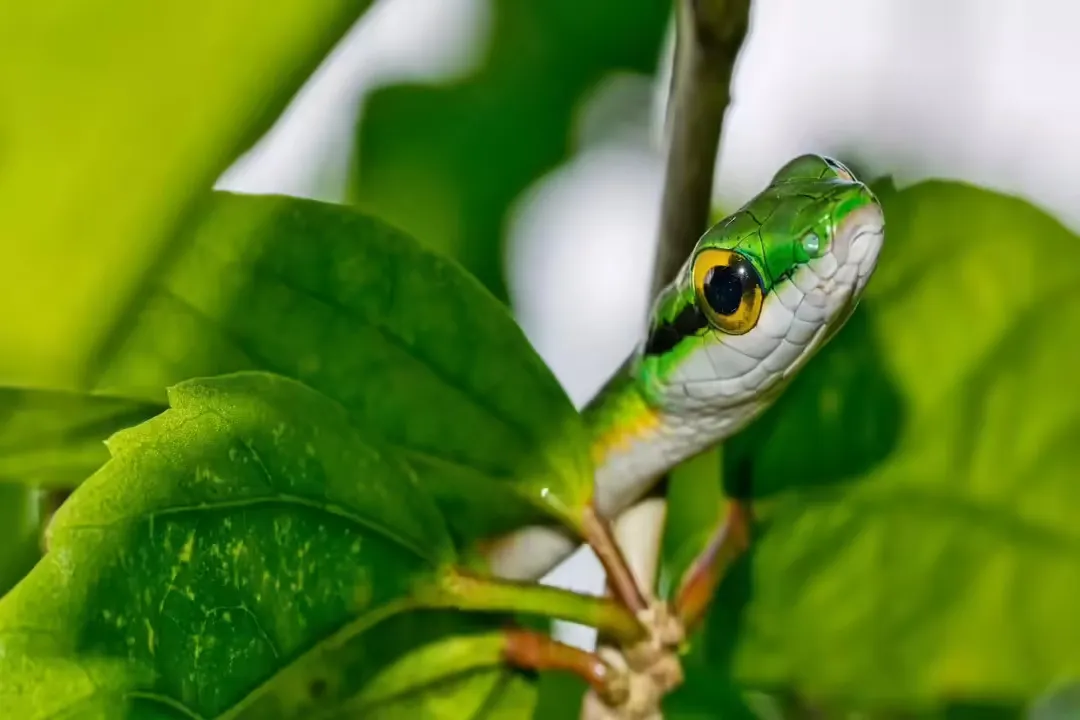
The question of whether a creature with the vibrant coloration of a parrot warrants caution is common when encountering slender, bright green snakes in the Americas. The snake in question, often referred to as the Parrot Snake or Leptophis ahaetulla, is frequently cited as being mildly venomous to humans. This designation is crucial because it separates them distinctly from snakes that possess medically significant venom, though it doesn't mean they are entirely harmless. Understanding the nature of their venom delivery system is key to assessing any real risk they pose.
# Venom Status
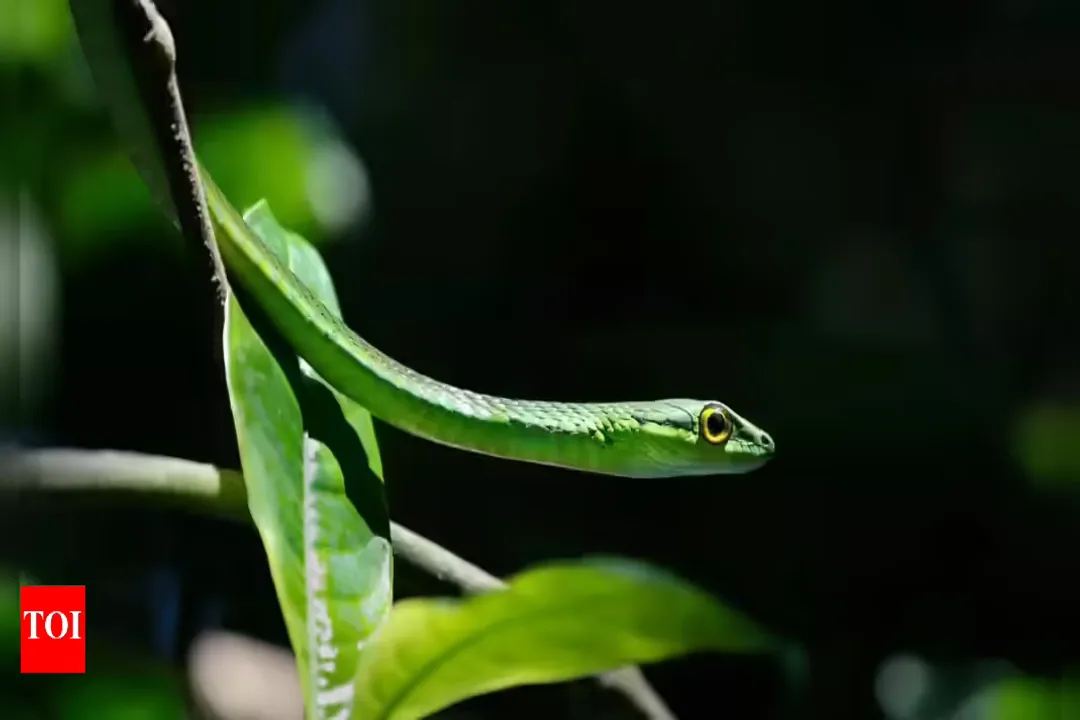
Parrot Snakes are considered opisthoglyphous, meaning they possess venom-delivering teeth situated in the rear of their upper jaws. This anatomical setup generally requires the snake to chew rather than execute a quick, forward-striking injection, making envenomation less likely during a defensive bite from a general encounter. Most sources concur that their venom is weak, and bites are rarely dangerous to healthy humans. However, the classification as mildly venomous means that the venom does contain components designed to subdue prey, such as lizards, frogs, and small mammals.
It is important to note that while the venom may not pose a systemic threat to a person, individuals can sometimes exhibit localized reactions. Information regarding these snakes often emphasizes that while they are not deadly, bites can still result in local irritation, swelling, or minor pain. The clinical significance is low, but it warrants respect for the animal’s defense mechanism.
# Physical Traits
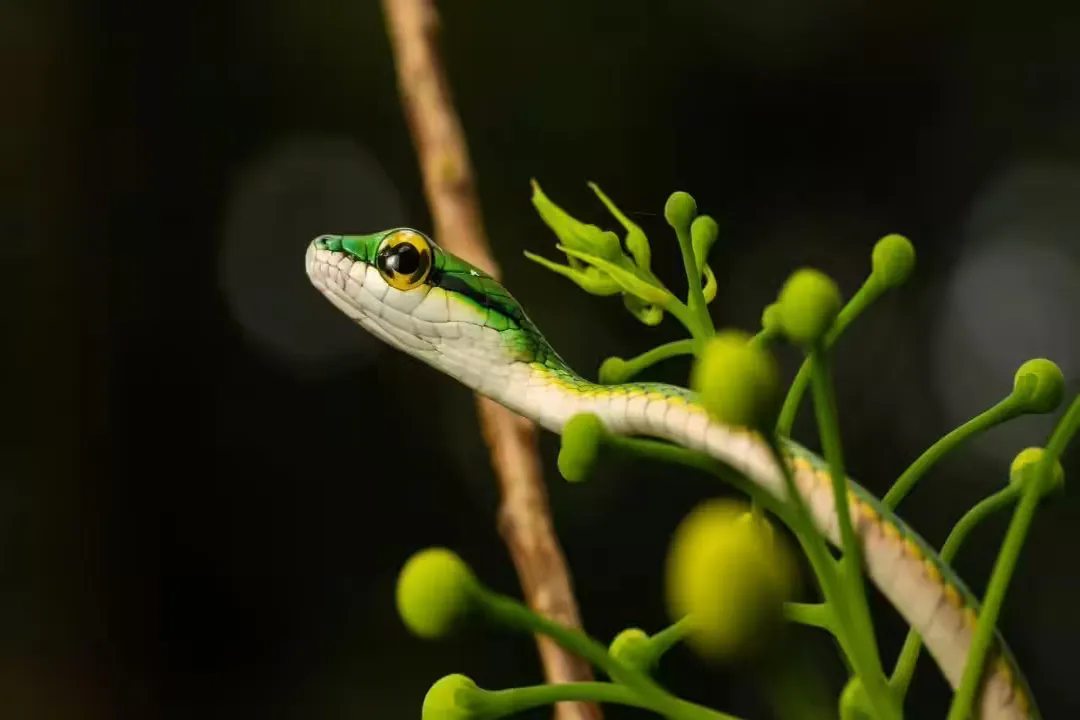
The visual identification of the Parrot Snake is fairly straightforward, though its brilliant green coloration can cause confusion with other species. They are slender, relatively long snakes, typically reaching lengths of about 3 to 4 feet. The coloration is often a striking bright green or lime green, which provides excellent camouflage in the leafy canopy where they spend much of their time. Some individuals may exhibit variations in color, sometimes appearing brownish or bluish, and often feature lighter speckling or streaks along their bodies. Their eyes are large relative to their head size, which is characteristic of many diurnal hunters. In some regions, they are also known by the common name "Parrot Mouth".
# Bite Effects
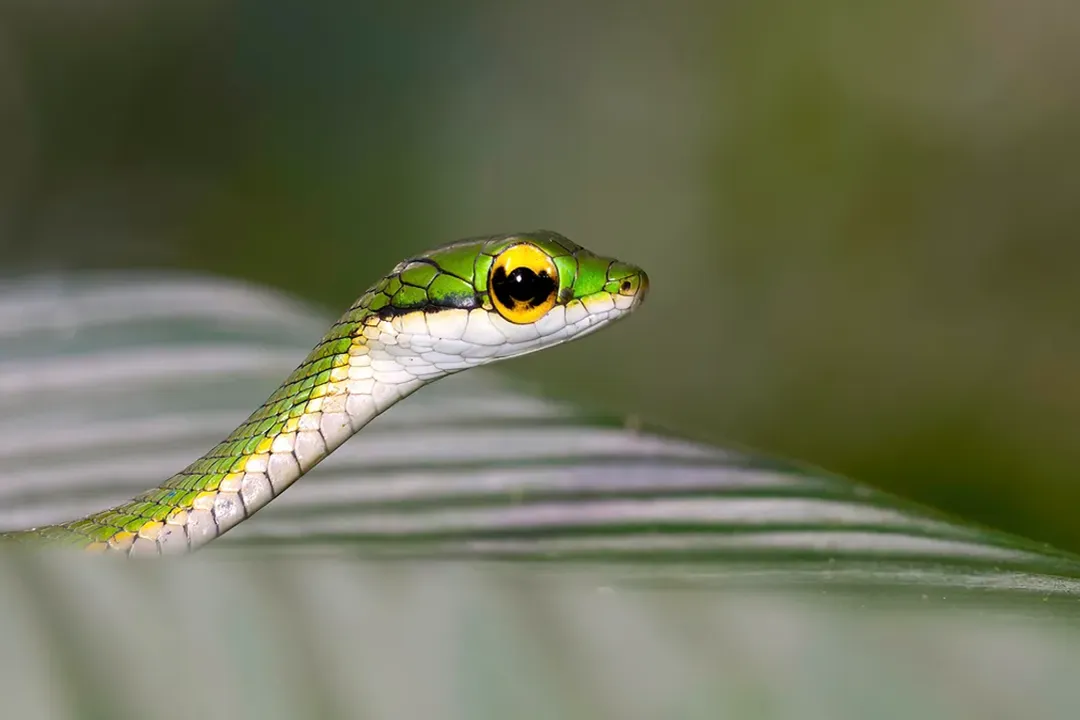
When a bite does occur, typically due to improper handling or perceived threat, the primary concern is usually the physical puncture from the teeth rather than a severe toxic reaction. Because of the rear-fanged nature of their dentition, the snake has to maintain contact and potentially chew to deliver an effective dose of venom. If venom is successfully injected, the resulting symptoms are usually confined to the immediate bite area. Lookouts for minor symptoms include local pain, slight swelling, or redness. Unlike bites from highly venomous vipers or elapids, severe systemic effects like widespread tissue necrosis, neurological symptoms, or significant internal hemorrhaging are not expected with the Parrot Snake.
# Natural Role
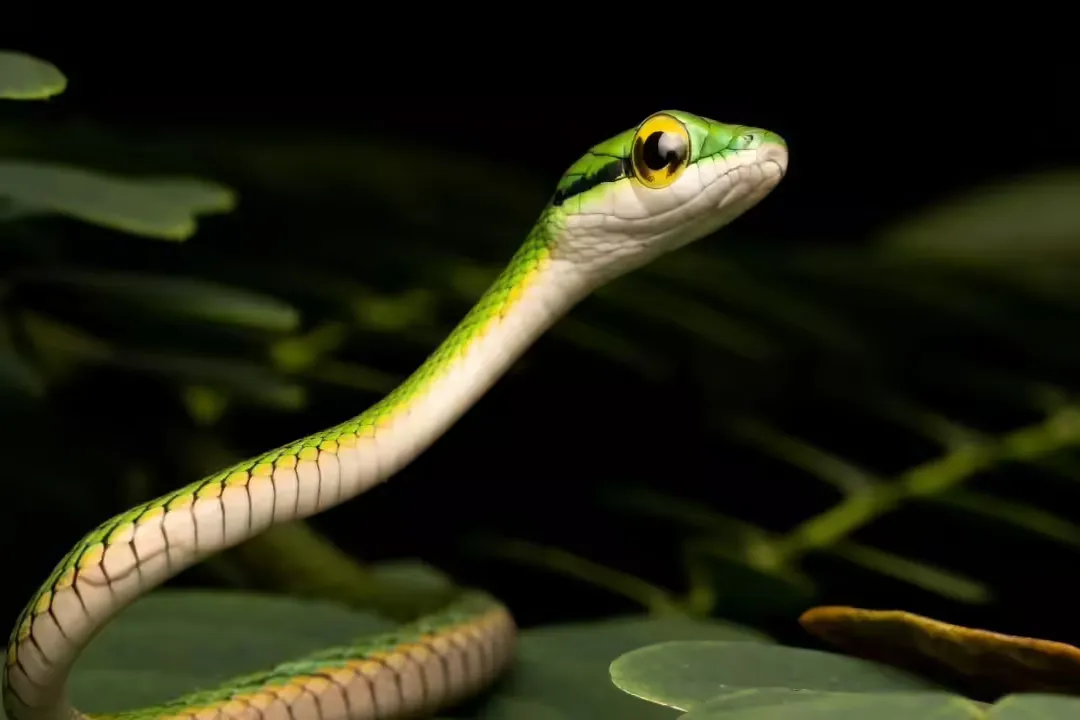
The Parrot Snake plays a distinct ecological role within its habitat across Central and South America. They are primarily arboreal, meaning they spend significant time up in the trees, which is often where encounters with humans occur. Their diet consists mainly of amphibians and reptiles, such as small lizards and frogs. This feeding behavior helps regulate populations of these smaller animals within their ecosystem.
Considering their activity pattern, these snakes are often active during the day, making them diurnal hunters. This diurnal nature contributes to their bright coloration acting as effective camouflage against the foliage as they stalk their prey. Their speed and agility, coupled with their visual hunting style, make them efficient predators in the dense undergrowth and canopy layers. For someone observing wildlife in their native range, noticing this snake can be a rewarding observation of a specialized tree-dweller.
When thinking about risk assessment in biodiversity, it is helpful to place the Parrot Snake in context: an average human observing one in the wild is far more likely to observe its beauty and camouflage than to suffer any negative outcome from it. Their primary defense is avoidance and retreat into dense vegetation, not confrontation.
# Handling Encounters
For the average person who stumbles upon a Parrot Snake—perhaps in a garden or on a low branch—the best course of action is simple avoidance. Because they are not inherently aggressive towards people, giving the snake space allows it to move away unimpeded. If someone finds themselves bitten, perhaps while attempting to capture or move the snake, the immediate response should focus on basic first aid rather than panic.
A practical checklist for minor snake bites, even from supposedly mild species, involves several steps. First, remain calm to keep the heart rate down, which slows venom circulation. Second, gently wash the area with soap and water. Third, immobilize the affected limb if possible, keeping it below the level of the heart if any mild swelling is noted. Crucially, avoid cutting the wound, applying a tourniquet, or trying to suck out the venom, as these older methods are proven ineffective and potentially harmful. Monitoring the area for unusual or worsening symptoms for several hours is advisable, especially if the person has known allergies.
One interesting consideration when encountering rear-fanged snakes like the Parrot Snake is the distinction between potential envenomation and actual envenomation. Because the fangs are in the back, a quick defensive snap might only result in teeth marks, or the snake might bite the hand but fail to rake the rear fangs across the skin with enough pressure to inject venom, especially if the skin is thick. Therefore, most reported interactions might only result in superficial puncture wounds without the introduction of any venom at all.
This leads to a useful tip for enthusiasts visiting areas where these snakes live: when tracking or observing arboreal snakes, always look up and be mindful of where you place your hands or feet, especially around dense foliage or vines that might hold a snake resting in the sun. Since they are highly camouflaged, an accidental close encounter is more likely than a deliberate one, reinforcing the need for cautious observation rather than direct interaction. Recognizing their slender body type helps distinguish them from bulkier, potentially more dangerous species native to similar regions, although visual identification should never replace caution.
# Elaboration Mildness
The term "mildly venomous" is scientifically accurate but can sometimes downplay the need for caution, which is a subtle danger in itself. When researchers or herpetologists classify a venom as "mild," they are usually comparing the (lethal dose 50%) values against known potent venoms, like those from cobras or kraits. For L. ahaetulla, the venom is primarily hemotoxic or cytotoxic in a very localized, weak sense, targeting their small prey effectively. However, a human mouth or hand bite area has different physiological responses compared to a lizard’s tissues. For instance, a person with a highly sensitive immune system or a pre-existing allergy to venom proteins could potentially react more severely to even a small dose of any foreign substance, venom included. While statistically improbable, this variance in human reaction is why all known venomous snakes, regardless of severity rating, demand careful handling protocols. It serves as a good reminder that ecological niches dictate venom potency, and a snake adapted to eating small frogs does not need human-lethal venom to survive.

# Responsible Observation
For those who appreciate wildlife photography or nature walks in the native range of the Parrot Snake, adopting a non-interventionist approach maximizes safety and species observation quality. If you spot one high in the trees, remember it is likely more stressed by your presence than you are by its potential bite. Instead of trying to coax it down or touch it, bringing binoculars or a telephoto lens allows for detailed observation of its hunting or basking behavior without putting yourself at risk of a defensive snap. Furthermore, never attempt to capture or contain one unless you are a trained professional equipped with proper tools, as the process of capture is when the risk of improper handling and subsequent bite dramatically increases. Respecting their arboreal environment means appreciating them where they are, in the canopy, rather than trying to bring them to ground level for a closer look.
Related Questions
#Citations
Not so venomous venoms: the case of the parrot snake - BraeuNERD
Leptophis ahaetulla - Wikipedia
Parrot Snakes: A Closer Look at a Vibrant Species
Leptophis ahaetulla, commonly known as the lora or parrot snake, is ...
The Slender Parrot Snake Can Grow to More Than 5 Feet Long
Leptophis ahaetulla or Parrot mouth The species was thought to be ...
How venomous are green parrot snakes? - Quora
Meet the slender, mildly venomous parrot snake: Facts, habitat, and ...
Parrot snake help please :) | Reptile Forums