What defensive posture often gives *Dasypeltis scabra* a surprisingly broad appearance?
Answer
It flattens its head and causes the scales on the back of its neck to raise up.
One component of the intimidating defensive sequence involves specific modifications to the snake's upper body shape. When feeling threatened, *Dasypeltis scabra* will flatten its head significantly. Simultaneously, the scales located on the back of its neck are raised. This combination of actions creates a visual deception, making the front portion of the snake appear much broader or even wedge-shaped than it truly is. This tactic, paired with loud hissing and the scale-rattling sound, contributes heavily to its success as a bluff artist.
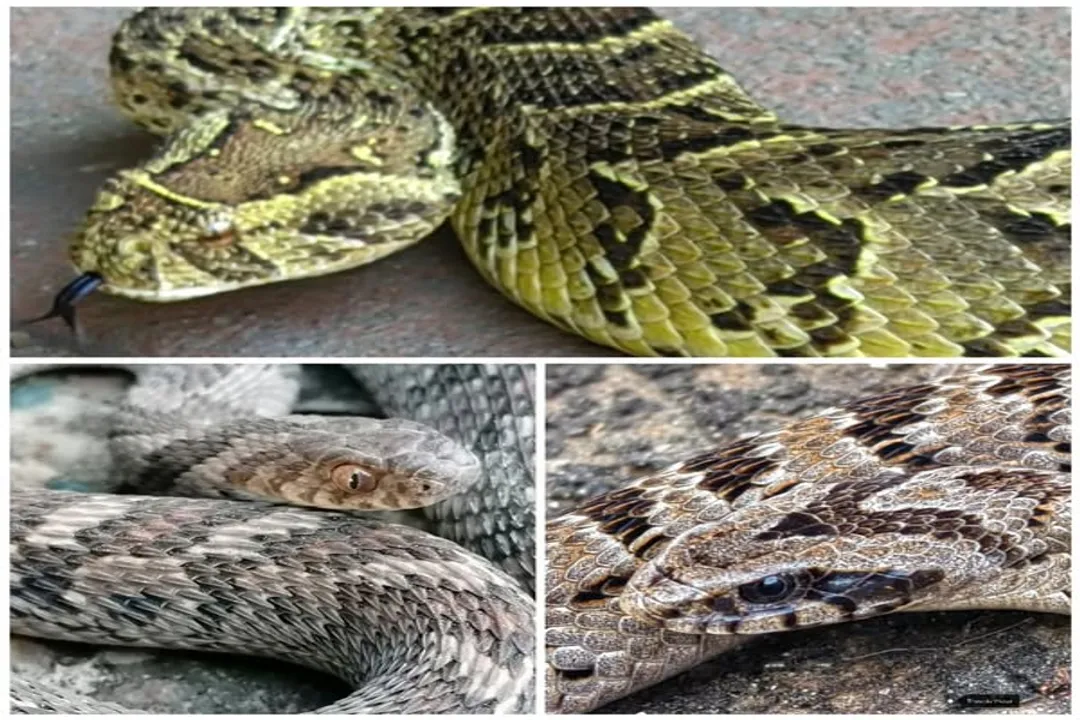
#Videos
Night Adder vs Egg Eater - YouTube
Related Questions
Is the Rhombic Egg Eater, Dasypeltis scabra, venomous?What specialized feature allows Dasypeltis scabra to crack eggs internally?What specific defensive sound is produced by the Rhombic Egg Eater's scales?Which venomous species is often mistaken for the Rhombic Egg Eater in regions like South Africa?What evolutionary factor reduces the selective pressure for venom production in *D. scabra*?What is the biological classification for the egg-eater's intimidating display sequence?What descriptive feature identifies the Rhombic Egg Eater by its common name?What is the result of the specialized consumption process when an egg is digested by *D. scabra*?What observation about the Rhombic Egg Eater's behavior confirms its nocturnal hunting schedule?What defensive posture often gives *Dasypeltis scabra* a surprisingly broad appearance?