What feature of the wolf's tail distinguishes it from many domestic dogs?
Answer
It hangs straight down or extends outward, never curled
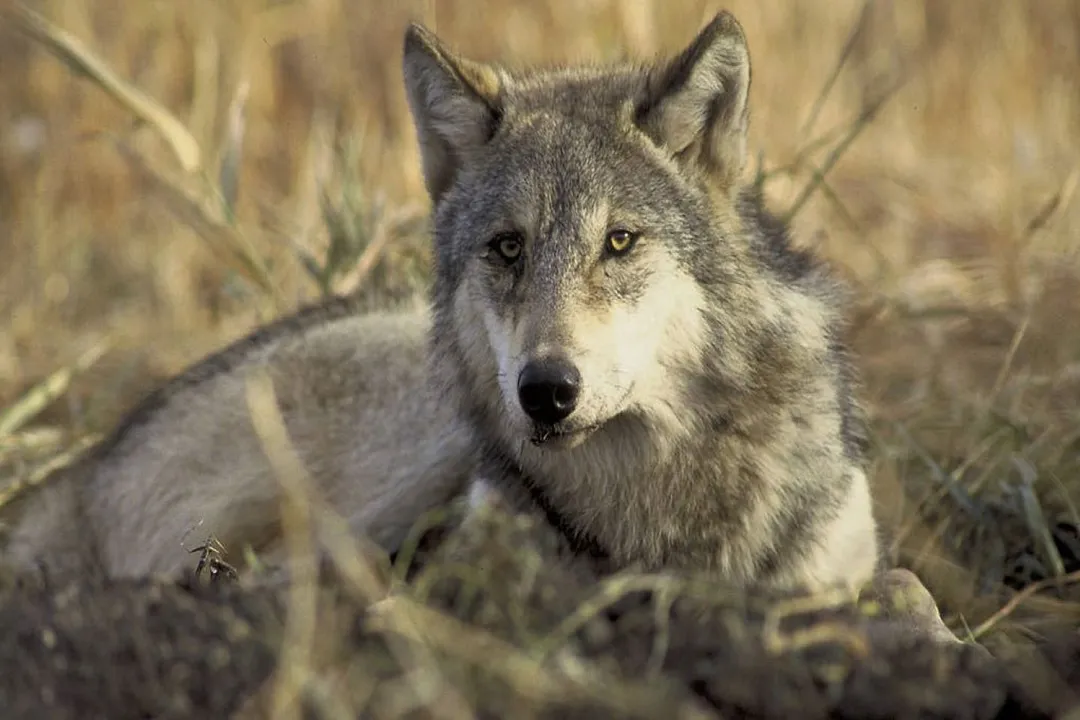
A key physical identifier noted for wild wolves, particularly when distinguishing them from many domestic dog breeds, is the posture of their tail. The wolf’s tail maintains a relatively straight orientation, either hanging directly down or extending outward behind the body. Critically, it is never observed curled up against the back, which is a common characteristic in various domestic canine populations. This straight, bushy tail also plays a significant role in maintaining balance during their characteristic long-distance running and in non-verbal communication within the pack structure.
Related Questions
What is the scientific name for the wolf described as the largest wild Canidae representative?Which rule explains why northern wolf populations tend to be larger than southern ones?What is the general height range at the shoulder for an average wolf?The limb configuration of the wolf supports which specialized hunting strategy?What feature of the wolf's tail distinguishes it from many domestic dogs?How effective is the wolf's dense winter coat in extreme cold regarding ice buildup?What specific temperature do wolf footpads maintain when in direct contact with ice and snow?Coat color variation in North America generally follows which geographical ecological rule?Compared to smell and hearing, which primary sense is considered the least developed faculty in wolves?What crushing pressure can wolves exert using their back carnassial teeth?