Wolf Spider Physical Characteristics
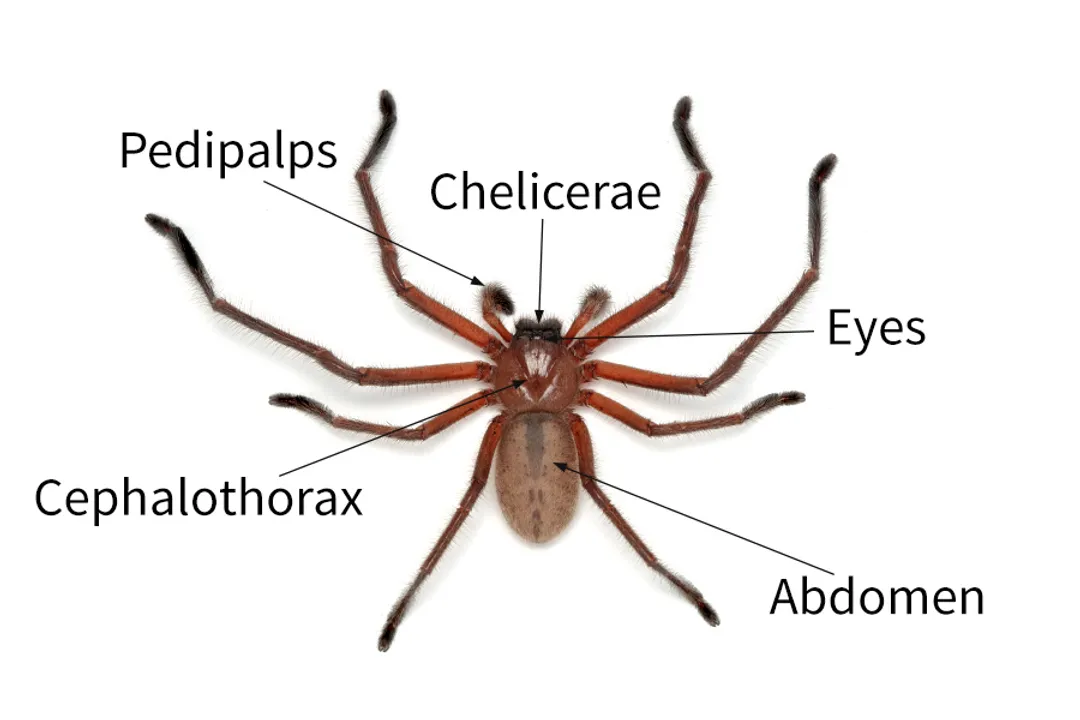
Wolf spiders, belonging to the family Lycosidae, present an intriguing study in adaptation, immediately recognizable by their powerful build and distinct facial features. These are not the delicate orb-weavers hanging webs in the garden corner; instead, they are robust hunters that prioritize speed and acute senses over stationary traps. [3][7] Their physical makeup is specifically tailored for a terrestrial, active predatory lifestyle, making them common, yet often overlooked, inhabitants of lawns, leaf litter, and loose soil across many regions. [8][9]
# Body Structure
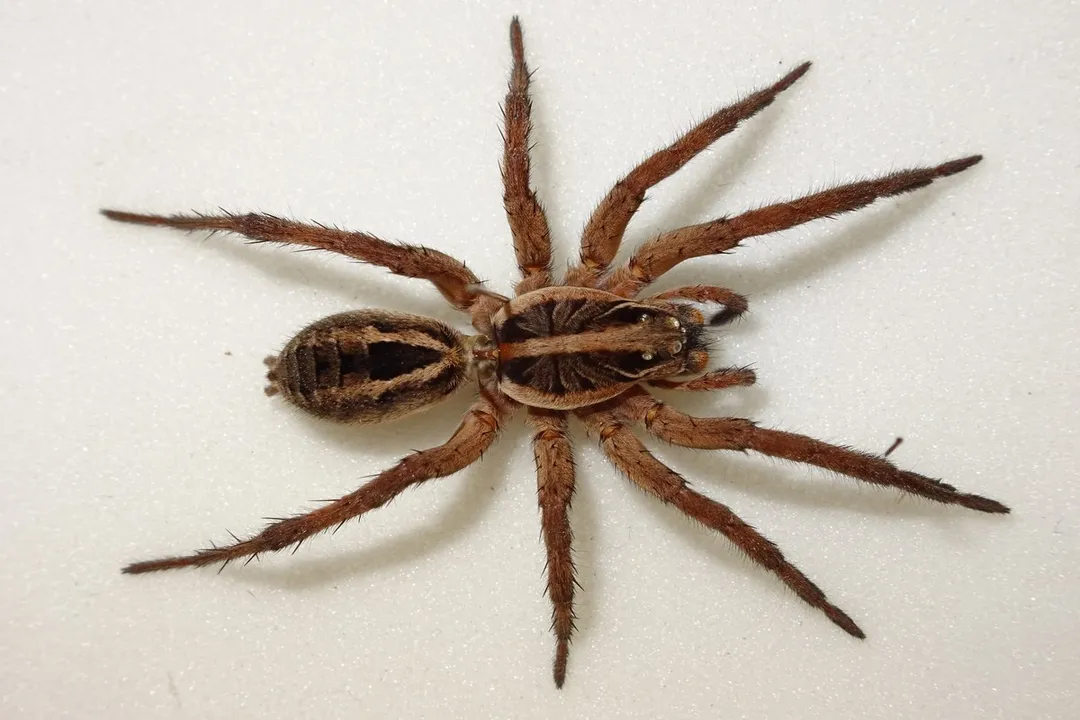
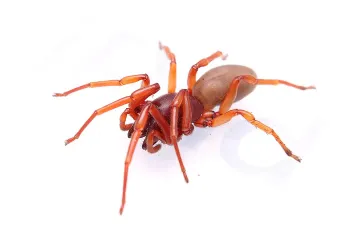
Physically, wolf spiders are generally considered medium to large spiders. [1][3][6][8] This description covers a wide spectrum, as species vary considerably in overall dimensions. While some might measure around $0.5$ inch ($1.3$ cm) in body length, larger members of the family can exceed $2$ inches ($5$ cm). [5] They possess a stout, heavily built physique, which contributes to their reputation as powerful ground-dwellers. [3] Like all spiders, their body is divided into two main sections: the cephalothorax—the fused head and thorax—and the abdomen. [4] The entire structure is often covered in dense, sensory hairs, giving them a distinctly fuzzy or hairy appearance. [3][6]
# Eye Pattern
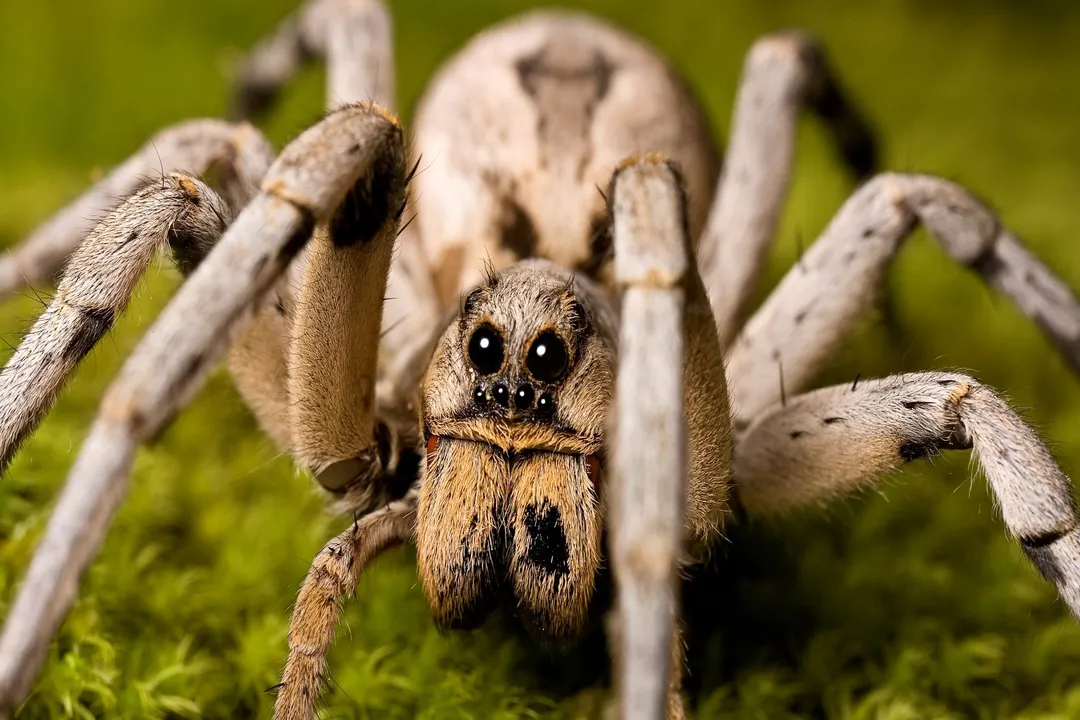
Perhaps the most reliable physical characteristic for identifying a wolf spider, even from a short distance, is their unique arrangement of eight eyes. [1][2][4][9] This configuration is highly specialized, setting them apart from many other common hunting spiders, such as the jumping spiders whose eyes are proportionally larger and positioned differently. [2] The eyes are organized distinctly into three rows. [1][3][9]
The bottom row consists of four smaller eyes spaced relatively evenly. [1][3][4][9] Above these four are the two largest, most prominent eyes that face directly forward, providing excellent binocular vision crucial for tracking prey. [1][2][3][4][9] Finally, atop the cephalothorax, set further back, are two smaller eyes completing the count of eight. [1][3][4][9] This specific arrangement—four small, two huge, two small—is a classic identifier for the Lycosidae family. [2] The massive primary eyes function similarly to high-powered lenses, gathering substantial light, which is particularly helpful for spiders that are active during twilight hours or at night. [7]
# Coloration Camouflage

Wolf spiders rely heavily on stealth and speed rather than colorful displays, meaning their coloration serves almost exclusively for concealment. They typically exhibit drab coloration schemes, frequently appearing in shades of brown, gray, or black. [3][5][6] This base palette is rarely solid; instead, it is usually broken up by intricate patterns involving stripes, bands, or mottling. [3][6][9] These markings are highly effective at mimicking the natural textures found in their preferred habitats, such as soil, bark, and especially dry leaf litter or dense grasses. [3][5] For a small predator that spends most of its life on the ground, this natural camouflage is a key survival mechanism against both predators and potential prey.
# Running Apparatus

The legs of the wolf spider are built for propulsion, not for suspension in a web. They are described as long and strong, perfectly suited for their primary method of movement: running. [1][3][9] They do not spin webs to capture food; they chase it down. [7] The legs are covered in hairs, which aren't just for show—they are sensory organs that detect vibrations in the substrate, providing crucial early warnings or distance readings to the spider during a hunt. [3][6] The structure of these legs, often appearing somewhat thick and muscled in comparison to their body mass, suggests an adaptation for quick bursts of speed and sustained pursuit across uneven ground. It is worth noting that the relative length of the legs compared to the body mass likely dictates how effectively a specific species can navigate extremely loose substrates, like deep, dry sand, versus packed soil found in heavily trafficked areas. [7]
# Sensory Appendages
Beyond the eight eyes, the wolf spider possesses other specialized external features that aid in navigation and feeding. One feature often observed on closer inspection is the presence of prominent spinnerets near the rear of the abdomen. [4] While they don't use a primary web for capture, they do use silk extensively—for lining their burrows, wrapping egg sacs, or creating a dragline when leaping or descending. [7]
Furthermore, the entire exoskeleton is covered in various types of hairs, which function as highly sensitive tactile and airflow detectors. Imagine trying to track the nearly silent approach of a beetle or grasshopper across a field; the slightest shift in air pressure or vibration transmitted through the ground must be instantly registered. The density and placement of these hairs across the legs and body likely allow the spider to triangulate the source of ground vibrations with remarkable precision, compensating for the visual limitations imposed by low light or cluttered surroundings. This reliance on tactile and seismic sensing complements their specialized vision, creating a layered sensory input system for hunting success. [3]
# Size Variation Across Species
It is important to stress that "wolf spider" describes a massive group, not a single organism with fixed dimensions. Within the family Lycosidae, there is significant morphological divergence influenced by climate and local prey availability. For instance, a wolf spider found in a dry, open desert environment might evolve to be larger overall to conserve moisture and handle larger, less frequent prey encounters, while those thriving in dense, humid forest floors might be smaller and more adept at navigating tight spaces between roots and debris. [1][5] If you encounter a specimen in North America, it will likely fall within a predictable size range, but comparing a specimen from Australia to one from Europe shows the true extent of this physical plasticity within the family. [5][9] This range means identification based solely on size is unreliable; the eye pattern remains the consistent physical anchor point for the entire group. [2]
Related Questions
#Citations
Wolf spider | Description, Habitat, Diet, Size, Eyes, & Facts - Britannica
Wolf spider - Wikipedia
Wolf spiders: Behavior, bites and other facts - Live Science
Kids' Inquiry of Diverse Species, Lycosidae: INFORMATION - BioKIDS
Wolf Spiders - The Australian Museum
Wolf Spider Facts - Terro
Featured Article – Wolf Spiders - TRRP
Wolf spiders (Araneae: Lycosidae)
[PDF] Wolf spiders