Coat color variation in North America generally follows which geographical ecological rule?
Answer
Gloger’s rule
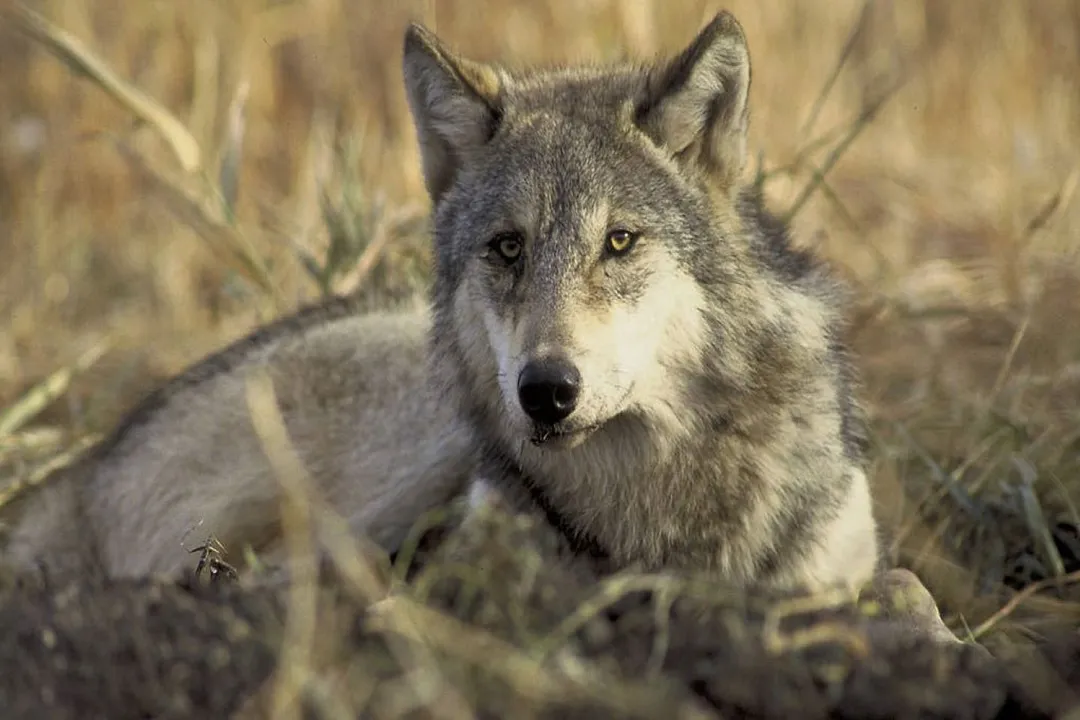
Coat coloration in North American wolves shows distinct geographical patterns that align with Gloger’s rule. This rule suggests that within a species, populations living in more humid or warmer environments tend to exhibit darker pigmentation compared to those in drier or colder environments. In the North American context, this translates to white wolves being predominant in the Canadian Arctic regions, while the coloration transitions to predominantly gray as one moves further south into less extreme, often wetter, territories.
Related Questions
What is the scientific name for the wolf described as the largest wild Canidae representative?Which rule explains why northern wolf populations tend to be larger than southern ones?What is the general height range at the shoulder for an average wolf?The limb configuration of the wolf supports which specialized hunting strategy?What feature of the wolf's tail distinguishes it from many domestic dogs?How effective is the wolf's dense winter coat in extreme cold regarding ice buildup?What specific temperature do wolf footpads maintain when in direct contact with ice and snow?Coat color variation in North America generally follows which geographical ecological rule?Compared to smell and hearing, which primary sense is considered the least developed faculty in wolves?What crushing pressure can wolves exert using their back carnassial teeth?