Wolf Physical Characteristics
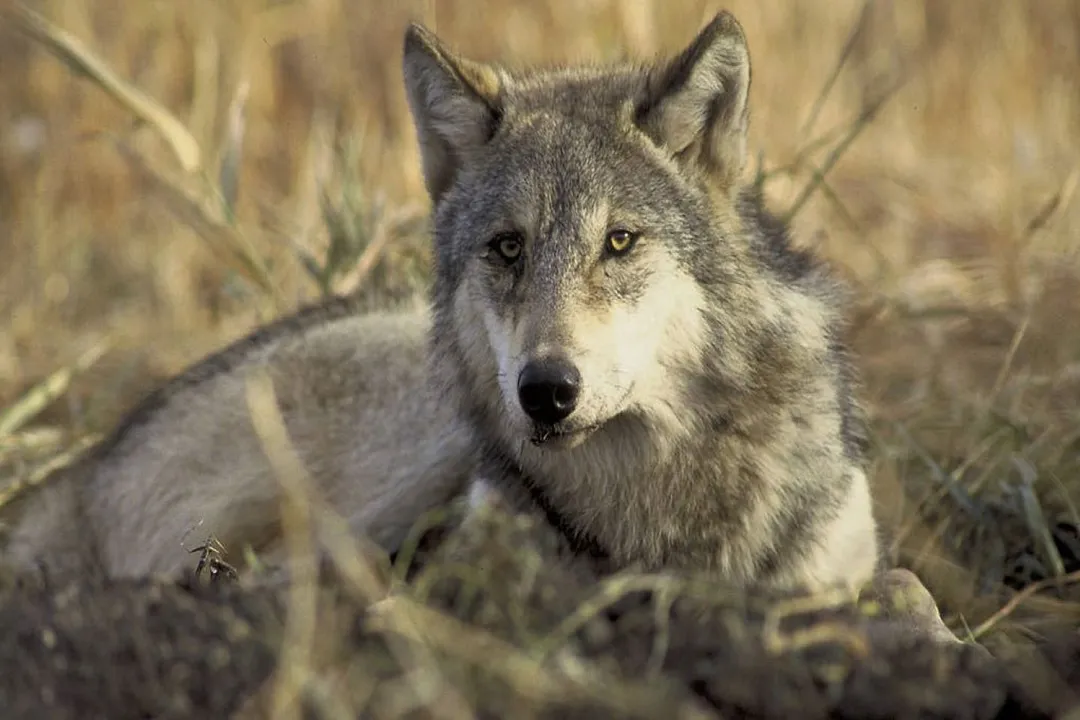
The wolf, scientifically known as Canis lupus, stands as the largest wild representative of the Canidae family, or dog family. These animals are widely distributed across Eurasia and North America, showcasing a remarkable physical constitution honed by a life dedicated to endurance and cooperative hunting. Understanding the wolf means looking closely at how its anatomy is perfectly engineered for covering vast distances in pursuit of prey and surviving in varied, often harsh, environments.
# General Dimensions
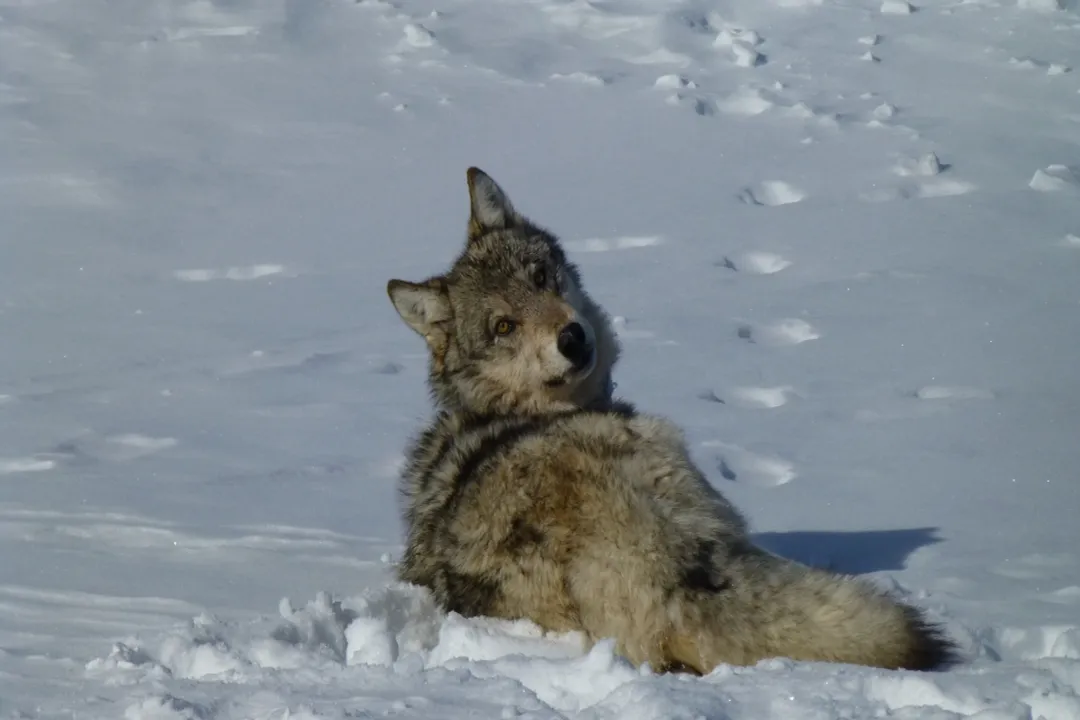
Adult wolves exhibit considerable variation in physical size, a characteristic often linked to geography, aligning with Bergmann's rule where northern populations tend to be larger than southern ones. Generally, a healthy adult male weighs more than a female within the same pack. While typical weights range widely, adult gray wolves in the Western U.S. often fall between 60 and 120 pounds (27–54 kg), with males at the higher end. Across the globe, weights can span from a small recorded specimen of 12 kg (26 lb) up to an imposing 79.4 kg (175 lb). European wolves average around 38.5 kg (85 lb), whereas North American counterparts are slightly lighter at 36 kg (79 lb). Exceptionally large males in central Russia have been noted to reach weights nearing 79 kg (174 lb).
In terms of length, measuring from the muzzle to the tail tip, a wolf can span from 4 feet up to about 7 feet. More precise measurements place the body length for the Eurasian wolf between 100–140 cm, with the tail adding another 35–50 cm. At the shoulder, their height generally ranges between 80 and 85 cm (31–33 inches), though some sources cite heights between 26 and 32 inches at the shoulder for the average individual. The structural differences between sexes are subtle but present: females usually possess a narrower muzzle and forehead, a thinner neck, and less massive shoulders compared to the males.
# Body Structure
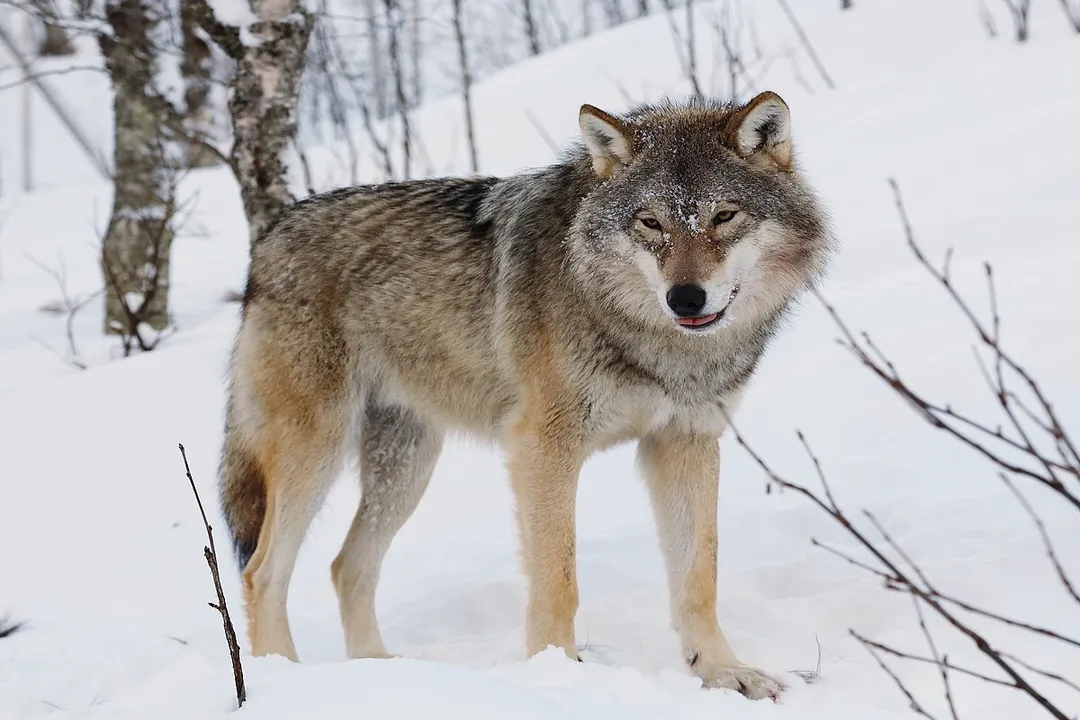
The wolf’s overall build is muscular, leaning toward lanky rather than bulky, an adaptation crucial for its predatory lifestyle. Their legs are proportionally longer than those of many other canids, a feature that maximizes their capacity for swift movement and sustains their high endurance over long pursuits. This adaptation is particularly vital for traversing deep snowpacks common in their northern ranges.
A closer look at the canine structure reveals specialized features for locomotion. The chest is often described as deep, broad, or more specifically, narrow and keel-like. The limbs and feet are positioned almost directly under the center of the body, with elbows turned slightly inward and paws angled a bit outward. This configuration supports a cursorial hunting strategy—the ability to maintain a fast trot or run all day—which contrasts sharply with the explosive, short-sprint hunting style of many large wild cats. Furthermore, the tail, which hangs straight down or extends outward (never curled, which is a key identifier distinguishing it from many domestic dogs), is bushy and contributes to balance and communication.
If a wolf pack is operating in areas where prey is abundant, such as following calving seasons, they may temporarily join with other packs, but their typical footprint is defined by established, relatively large territories that they patrol constantly, covering distances that can average 25 km per day.

# Coat Coloration
Perhaps the most variable physical trait across the species is the wolf’s pelt. The coat color is determined by the longer guard hairs overlaying a dense, soft undercoat. This variation is extensive, ranging from pure white, common in Arctic populations, through shades of brown, gray, and black.
In terms of seasonal adaptation, the winter coat is exceptionally dense and fluffy, providing excellent insulation that allows wolves to rest comfortably in open areas even when temperatures drop to . The insulation is so effective that warm breath condensing on the fur does not cause ice buildup, a benefit not always seen in domestic dog fur. Conversely, in warmer climates, the fur becomes coarser and less dense.
A fascinating, though not fully understood, aspect of thermoregulation involves the paws. The wolf is able to regulate the blood flow to its footpads independently of the rest of its body. This allows the pads to maintain a temperature just above the freezing point of tissue when they are in direct contact with ice and snow, enabling extended activity without risking frostbite or excessive heat loss through the extremities contacting the frigid surface.
Color patterns vary geographically. Eurasian wolves often present a grey-yellow base color, accentuated by black guard hairs along the back, shoulders, and tail tip, with the underside being paler. In North America, coat color tends to follow Gloger’s rule: white in the Canadian Arctic and predominantly gray further south. The presence of solid black wolves in areas like the Rocky Mountains is linked to historical admixture with domestic dogs that crossed the Bering Strait thousands of years ago.
# Cranium Senses
The wolf’s head structure is characterized by a large size, a broad forehead, and a muzzle that is long and decidedly blunt when compared to the more pointed muzzles of coyotes or jackals. This structure facilitates a powerful bite. The wolf skull itself is quite large, measuring between 230–280 mm in length and 130–150 mm in width.
The wolf relies on a highly developed set of senses for survival. Its sense of smell is estimated to be about 14 times more acute than a human’s, thanks to an olfactory epithelium surface area that is significantly larger. Hearing is also excellent. However, compared to its other senses, eyesight is considered the least developed faculty. The eyes themselves are yellow, and at night, they produce a distinct greenish-gold eye shine. The ears are upright, triangular, and relatively small compared to the head size, often appearing more rounded at the tips than the longer, pointier ears of a coyote.

# Dentition
The dental architecture of the wolf reflects its role as a top-tier predator capable of handling substantial prey and a versatile diet. Adult wolves possess 42 teeth. Their long canines are prominent, but it is the specialized carnassial teeth that are particularly effective for shearing meat.
While wolves are obligate carnivores, their dentition indicates a wider range of food processing ability than some other specialized hunters. The well-developed molars and premolars suggest they are equipped to handle smaller food sources and perhaps even plant matter, unlike the highly specialized teeth of a creature like the lynx. This structural flexibility is important when prey is scarce. Perhaps the most astonishing physical feature related to their diet is their jaw strength; wolves can exert a crushing pressure of approximately pounds per square inch (psi) when using their back carnassial teeth, which is roughly double the bite force of a German Shepherd. This strength allows them to efficiently consume large carcasses, even crushing thick bones to access the marrow.
Related Questions
#Citations
Wolf - Wikipedia
Description of the wolf - Suurpedot.fi
Gray Wolf | National Wildlife Federation
Gray Wolf (Canis lupus) | U.S. Fish & Wildlife Service
Gray Wolf Facts and Information - Wolf Sanctuary of PA
Gray Wolf Identification - Western Wildlife Outreach
Wolf Physical Appearance | Unofficial GarouMUSH Wiki - Fandom