What environmental factors drive the movement of the Northern and Atlantic wolffish species?
Answer
Tracking optimal thermal ranges or reproductive cycles
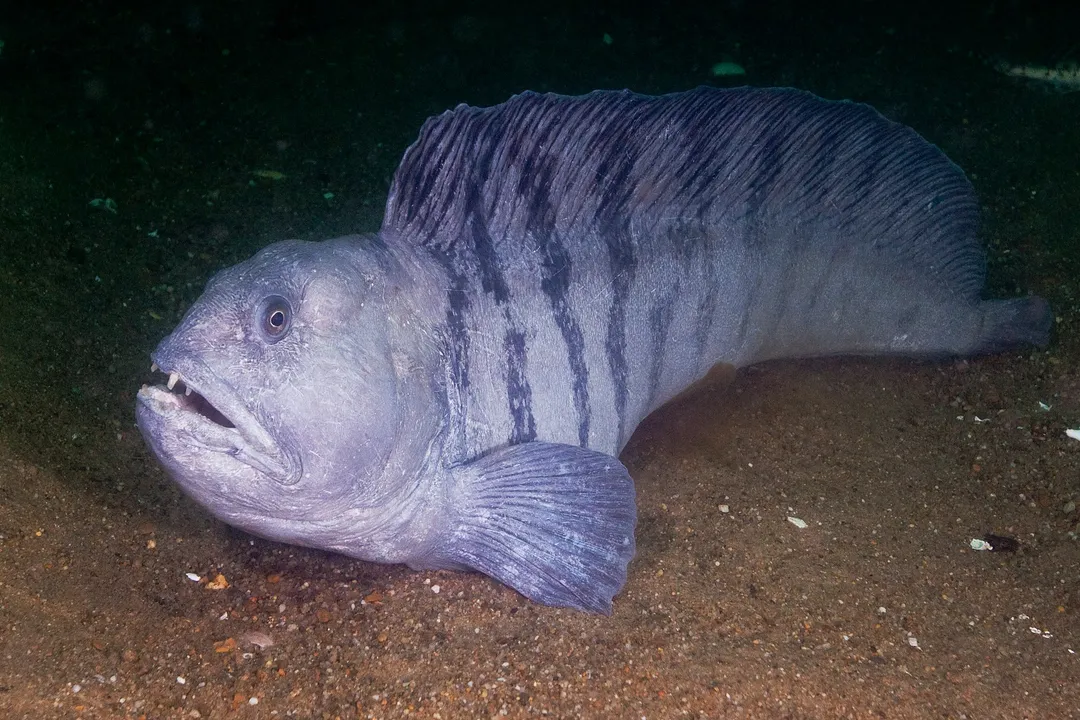
Although both the Northern and Atlantic wolffish inhabit cold waters, their actual positioning in the water column is dynamic and linked to biological imperatives rather than static depth. Movement undertaken by these species is often correlated with the need to track or maintain specific optimal thermal ranges, which are crucial for metabolic function. Additionally, these movements are frequently tied to their reproductive cycles, which can prompt them to move from very deep zones up onto shallower, yet still rocky, banks during certain times of the year or season.
Related Questions
What substrate type do wolffish generally cling to in rocky bottoms?What depth range do wolffish habitats extend down to, according to sources?Which ocean basins does the Northern Wolffish (*Anarhichas orientalis*) span?What is the southern coastal range limit mentioned for the Atlantic Wolffish (*Anarhichas lupus*)?What functional purpose do rocky terrains serve for wolffish habitat requirements?What environmental factors drive the movement of the Northern and Atlantic wolffish species?Which specific wolffish species has detailed recovery strategies developed by government agencies?By what physical characteristics are wolffish recognizable?In *Dredge* gameplay, which condition often restricts successful wolffish locations for certain variants?How many distinct wolffish species are specifically mentioned as relevant in North American/North Atlantic contexts?