Where are German Shepherds found?
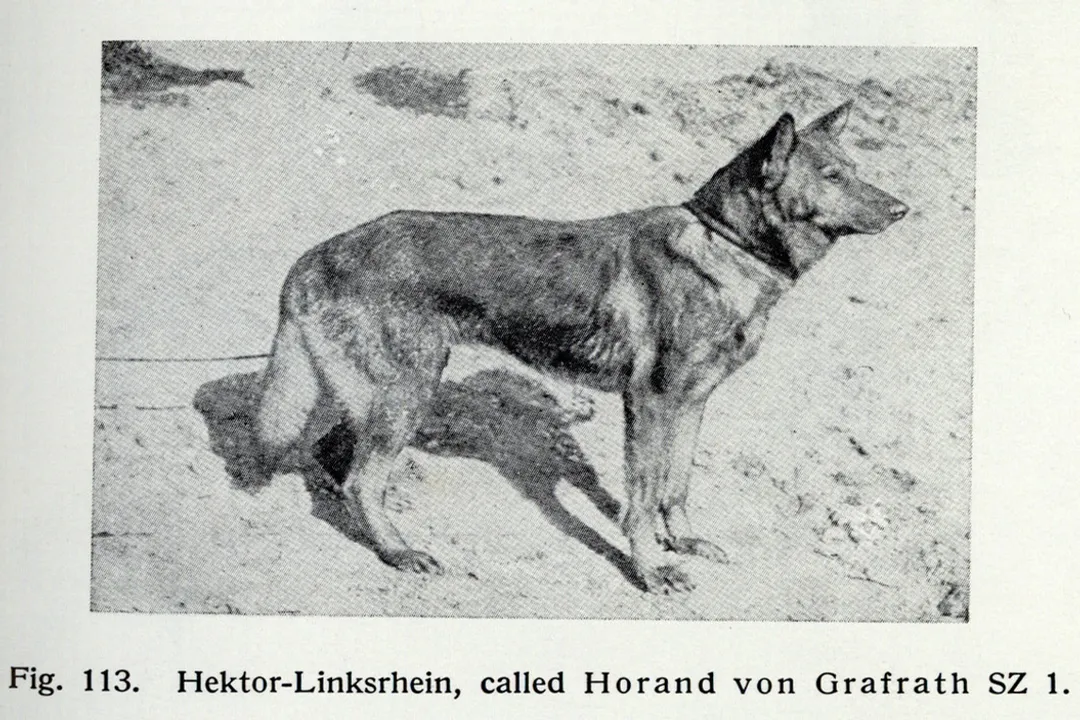
The presence of the German Shepherd Dog spans nearly every corner of the globe today, yet its roots are firmly anchored in a specific place and time: late 19th-century Germany. [1][2][3] While the modern German Shepherd is a familiar sight in cities, suburbs, and specialized facilities worldwide, understanding where they are found requires looking first at their birthplace and the historical forces that propelled them outward from their homeland. [1][7]
# German Roots
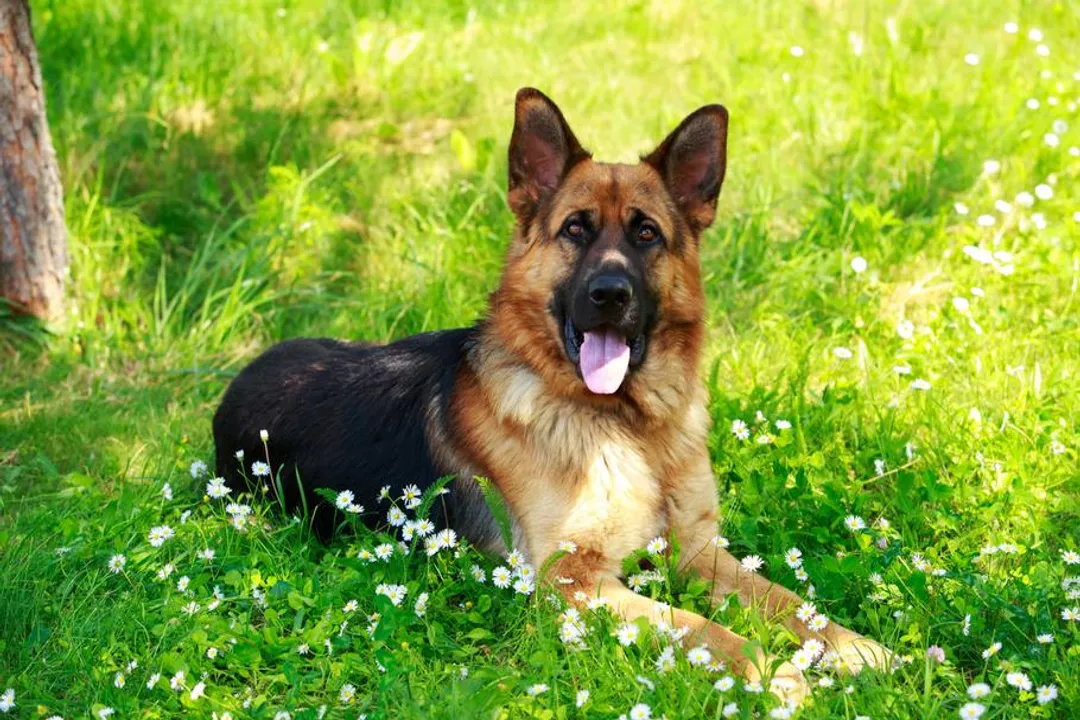
The genesis of the breed is inextricably linked to Captain Max von Stephanitz, who is widely credited as the father of the German Shepherd Dog. [2][3][9] His goal, established around 1899, was to create the ultimate German herding dog, prioritizing intelligence, utility, and strength above mere looks. [3][9] The breed was formally recognized in Germany with the founding of the Verein für Deutsche Schäferhunde (Society for German Shepherd Dogs). [2][9] Initially, the dogs were primarily found throughout German farms and pastures, serving their intended purpose as shepherds and guardians. [1][3] This foundational role in agrarian settings meant that the earliest populations were distributed across the German countryside, selected for stamina and trainability suited to open terrain. [3]
Von Stephanitz was meticulous in his documentation and establishment of breed standards, ensuring that the dogs developed possessed the necessary characteristics for hard work—a trait that would later make them invaluable outside of Germany. [2][9] Even though their initial population was geographically confined to Germany, the defining characteristics were established there: the strong back, the alert temperament, and the unparalleled drive to work. [1] The breed standard was heavily influenced by keeping the dog functional, rather than decorative, which is an important distinction when tracking where they are found today—their distribution is often dictated by need rather than simple companion popularity. [10]
# Name Shift
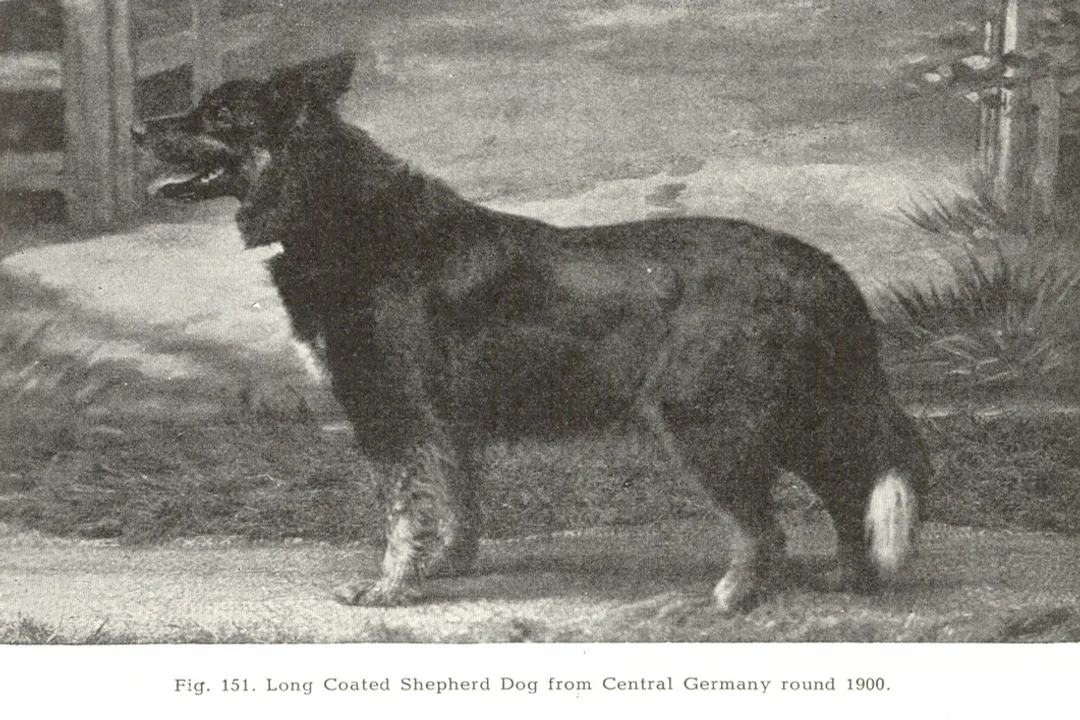
The dispersal of the German Shepherd outside of its native country was significantly impacted by global conflict. [1][3] During World War I, due to anti-German sentiment prevalent in English-speaking nations, the breed's name was changed in several countries. [3] In Britain, for example, they were known as the Alsatian Wolf Dog for a time. [1] This renaming occurred in the very places they were beginning to establish themselves as working and companion animals, illustrating that geography and politics heavily influenced how and where they were accepted. [1][3] Even as the name changed, the dogs themselves—the descendants of those early German imports—were still found in significant numbers across the United States, the United Kingdom, and elsewhere, proving the breed's inherent appeal transcended wartime naming conventions. [3]
It is fascinating to consider that a breed developed specifically for the sheep-dotted fields of Germany quickly transitioned into an urban and institutional fixture across the Atlantic and beyond. [1][7] This swift geographical shift from a pastoral setting to a global stage speaks volumes about the breed's immediate utility in new environments, such as military service during the World Wars, which served as an unintentional, large-scale recruitment drive for the breed internationally. [3]

# Global Rise
Today, the German Shepherd is recognized globally, holding a consistent top rank in popularity within many national kennel clubs. [1] They are found across virtually every inhabited continent. [1] In the United States, for instance, the American Kennel Club (AKC) frequently ranks the breed among the top five most registered dogs, indicating a substantial population found within American households and kennels. [3] This high registration number suggests a widespread presence in suburban and rural American settings. [3]
When comparing distribution, one can see a difference between raw numbers of ownership and density in specific working sectors. While companion ownership is high in the US and much of Western Europe, [7] their presence in countries with strong centralized police or military forces often means a higher concentration of working lines near specialized training academies or government facilities. [10] For example, while a typical German Shepherd might be found in a family home in a quiet Midwestern town, a higher density of dogs with specific protective lineage might be concentrated near major metropolitan police K-9 units or international border patrol facilities globally. [10]
# Working Presence
One of the most defining answers to "where are German Shepherds found" relates to their professional deployment. Their combination of intelligence, strength, and loyalty has made them a go-to choice for demanding service roles worldwide. [1][10]
# Official Deployment
Police and military organizations represent a significant concentration of the breed found in official capacities. [1][10] They are found working for law enforcement agencies across Europe, Asia, the Americas, and Australia. [1][7][10] Their roles are varied, including patrol, narcotics detection, search and rescue, and protection work. [1][10] In military contexts, they are deployed wherever national forces operate, which geographically places them in diverse and often remote locations, sometimes alongside troops stationed overseas. [7]
# Service Roles
Beyond security, they are found wherever specialized assistance is required. The breed is a popular choice for guide dogs for the blind and for various mobility and medical alert tasks. [1] In this capacity, they are found in close proximity to the individuals they serve, often residing in homes and communities that might not otherwise be associated with large working breeds. [1] The adaptability needed for guide work ensures their continued presence in dense urban environments where they must navigate heavy traffic and complex pedestrian flows. [1]
# Contemporary Context
While the breed originated in Germany, its current distribution reflects a global appreciation for its versatility. [1][9] A key factor in their enduring worldwide presence is the consistent commitment of breed clubs and enthusiasts to maintaining working aptitude, ensuring that even pet-line dogs carry the inherent traits that made them famous. [2] This deep-seated, genetically preserved drive means that whether you find a German Shepherd assisting a disabled veteran in Canada or guarding a property in Japan, the underlying characteristics traceable back to von Stephanitz's original vision remain largely consistent. [3] Their discovery across the globe is not accidental; it is a direct result of early, successful professional placement that validated their capabilities far beyond the German sheep fields from which they sprang. [2][10]
#Videos
Abandoned German Shepherds Run Off The Road To Rescuers Arms
Nearly 20 German shepherds rescued from hoarding case in ...
Related Questions
#Citations
German Shepherd - Wikipedia
The History and Origin of the German Shepherd Dog
German Shepherd Dog History: Where the Breed Originated
Fauna - German Shepherd
Lost / Found German Shepherds of Missouri | Facebook
Abandoned German Shepherds Run Off The Road To Rescuers Arms
German Shepherds and their history in Germany - Stripes Europe
History of the German Shepherd Dog
About The German Shepherd