Is a German Shepherd Akita mix a good dog?
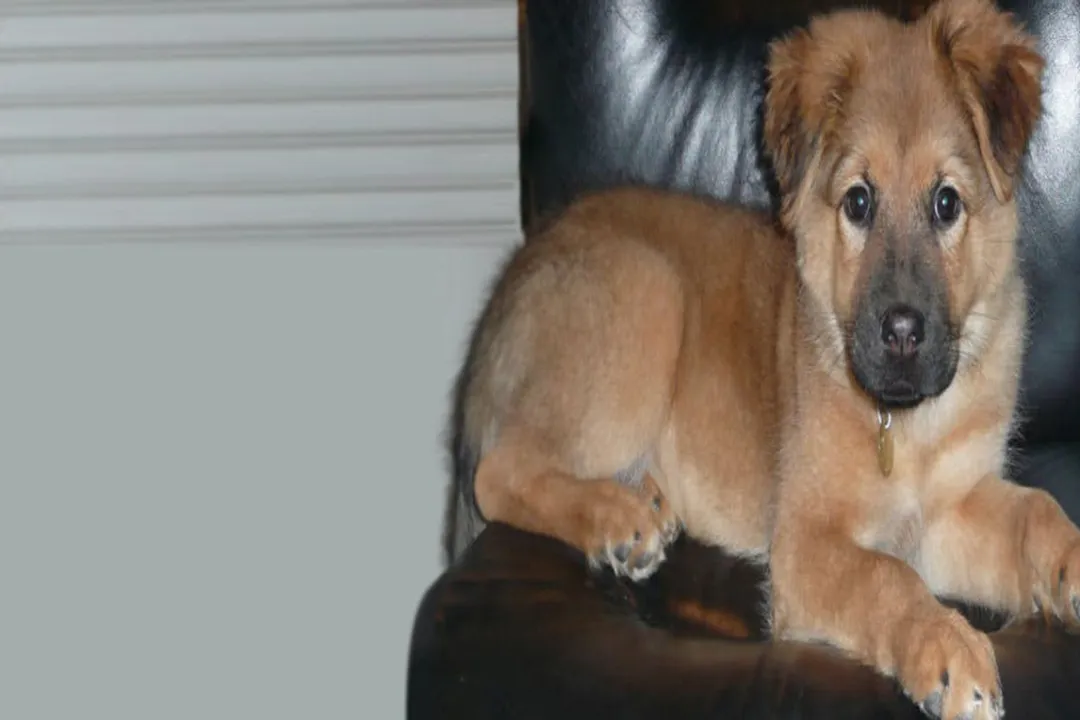
Blending the noble presence of the German Shepherd (GSD) with the stoic dignity of the Akita results in the Akita Shepherd, a powerful, intelligent, and deeply loyal companion. [5] Prospective owners often wonder if this combination creates a manageable pet or a headstrong challenge. The answer hinges entirely on understanding the dominant traits inherited from these two distinct working breeds and preparing to meet the intense demands they both place on their human counterparts. [2] This mix is not typically recommended for novice dog owners due to the required level of commitment, experience, and early intervention. [1][2]
# Temperament Blend

The temperament of an Akita Shepherd is a complex equation, often producing a dog that is intensely devoted to its core family unit while remaining highly reserved or suspicious of outsiders. [2][5] Both parent breeds possess strong protective instincts; the GSD often acts as a vigilant guardian, while the Akita carries an ancient, reserved wariness. [5] This results in a dog that views its home as its territory and its family as its primary responsibility. [2]
You might observe deep intelligence and a desire to please the person they view as their leader, characteristic of the GSD's trainability, overlaid with the Akita's independent streak. [2] Owners report varying results; some describe a gentle giant that is playful with children they know, while others note significant dominance challenges that require an experienced hand. [1][2] One owner on social media mentioned that their mix was very people-oriented but required strict rules to manage potential food guarding—a common issue when merging two breeds known for high resource guarding potential. [3] Understanding that they are not always quick to make friends with strangers is essential; they are observers first. [2] If socialization is lacking, this natural reservation can quickly transition into aloofness or active territorial aggression. [1]
# Training Needs
Training an Akita Shepherd requires consistency, patience, and an absolute commitment to establishing clear leadership from day one. [2] These dogs are inherently intelligent—they can learn commands quickly—but they possess an equally powerful inclination to test boundaries, particularly if they sense a lack of confidence or consistency in their owners. [2] This stubbornness is not borne of malice, but rather a desire for autonomy inherited from their working and guarding ancestry. [2]
A common point of advice across owner forums is that these dogs often respond poorly to harsh training methods; positive reinforcement that appeals to their intelligence works best, but it must be paired with firm boundaries. [2] If you approach training with hesitancy, you risk creating a dog that believes it is in charge of the household decisions. [2]
Consider implementing a structured "visitor protocol" rather than simply hoping the dog will be friendly when new people arrive. For instance, have your dog wait calmly on a mat in another room while guests enter, secure on a leash, and allow introductions only after the initial excitement has passed and the dog is calm. This preemptively manages the instinct to guard the threshold, redirecting the dog’s focus from "security alert" to "calm compliance". [1][5] This proactive management often separates successful ownership from challenging situations.

# Physical Traits
The Akita Shepherd is a large, powerful dog, generally falling into the heavy working class. [5] As a mixed breed, their exact size can vary considerably, depending on whether they favor the Akita's bulk or the GSD's leaner structure. [5] Owners should anticipate a dog weighing anywhere from 70 to 130 pounds or more, with a height often exceeding 25 inches at the shoulder. [5]
One area where consistency is usually found is in the coat. Both parent breeds sport thick, dense double coats, meaning the mix will almost certainly require significant grooming effort to manage shedding, especially during seasonal blows. [5] They are built for work and durability, possessing a muscular build that necessitates consistent physical activity to prevent restlessness. [5]
It is worth noting the lineage impression on health. Since both parent breeds are large, the resulting mix inherits a predisposition to typical large-breed ailments. Owners must be vigilant about monitoring for conditions like hip and elbow dysplasia, which are unfortunately common in large working dogs. [5] Furthermore, owners should familiarize themselves with the signs of Gastric Dilatation-Volvulus (GDV), or bloat, a life-threatening condition common in deep-chested breeds. [5] A realistic estimate for their lifespan tends to hover around 10 to 12 years. [9]
# Family Life
Whether this mix is suitable for a family environment depends heavily on the family’s existing structure and experience level. This dog thrives in an environment where they are completely integrated but understand the established hierarchy. [2] They generally bond strongly with their immediate family members, often showing affection and loyalty to those they trust implicitly. [2][5]
Compatibility with small children requires careful supervision, primarily due to the dog's sheer size and power, and their natural guarding tendencies. [1] If they perceive a threat to a child, their protective response will be immediate and substantial. An owner profile that excels with this mix often possesses experience managing dominant large breeds and has a background in extensive, positive early socialization, rather than just having owned dogs before. [2]
When introducing them to other pets, especially same-sex dogs, issues can arise. Both parent breeds can exhibit same-sex dog aggression or dominance struggles. [2] Early, controlled introductions in neutral territory are non-negotiable. Never assume tolerance simply because they are a mix; treat them as two distinct, powerful breeds that require careful management around unfamiliar animals. [3] If the household is already populated with established pets, introducing the Akita Shepherd puppy or dog to an established pack requires a measured, deliberate approach to avoid pack hierarchy challenges escalating into serious conflict. [2]

# Exercise Demands
The German Shepherd Akita mix possesses the energy reserves and the physical structure of a true working dog; they are not satisfied with a short walk around the block once a day. [5] They require substantial daily mental and physical stimulation to remain balanced members of the household. [5] A tired dog is often a well-behaved dog, particularly with a breed that possesses the potential for stubbornness or territoriality. [2]
Mental exercise is just as important as physical exertion. Incorporating advanced obedience drills, puzzle toys, or even training for dog sports like tracking or scent work can satisfy their sharp minds. [2] If their mental needs are unmet, they can become bored, leading them to invent their own—often destructive or guarding-related—activities. [1] Ensuring a physically secure yard is paramount; their desire to patrol or investigate can lead to escape attempts if fences are inadequate, especially given the GSD's natural inclination to roam or herd. [5]
#Videos
Top 12 Facts About Akita German Shepherd Mix - YouTube
Akita Shepherd Mixes: Everything You Need to Know ... - YouTube
Related Questions
#Citations
Akita GSD mix? : r/akita - Reddit
What is the temperament of an Akita/German Shepherd mix? - Quora
Anyone else have a German Shepard Akita mix? I've had plenty of ...
Top 12 Facts About Akita German Shepherd Mix - YouTube
Akita Shepherd | Dog Breed Facts and Information - Wag!
Akita Shepherd - TOP 10 Interesting Facts - rocadog
The German Shepherd/Akita LIE!
Expert Advice on Akita and German Shepherd Mix - JustAnswer