What are German shepherds classified as?
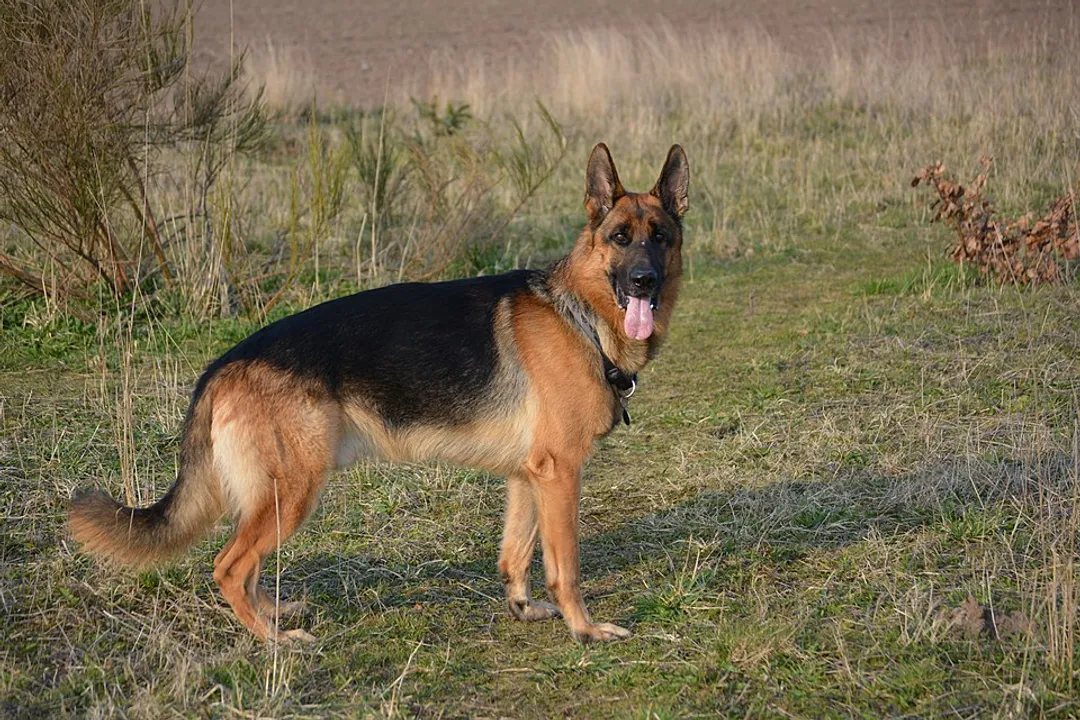
The German Shepherd Dog is officially categorized across major international and national kennel clubs, and these classifications speak volumes about the breed’s historical purpose and expected physical structure. Fundamentally, across nearly all major organizations that register purebred dogs, the German Shepherd falls within the Herding Group. [3][4] This group placement directly references the breed’s foundational work, which was developed in Germany in the late 19th century specifically for herding sheep and guarding flocks. [2][5]
# Breed Groupings
The American Kennel Club (AKC) places the German Shepherd Dog into the Herding Group, grouping breeds based on shared function and heritage. [3] Similarly, the United Kennel Club (UKC) also assigns them to the Herding Dog Group. [1] The distinction in classification becomes slightly more detailed when looking at standards influenced by the Fédération Cynologique Internationale (FCI), to which organizations like the United Schutzhund Clubs of America (USCA) adhere. The USCA views the breed under the FCI classification as belonging to Group 1: Sheepdogs and Cattle Dogs (excluding Swiss Mountain and Cattle Dogs), specifically Section 1: Sheepdogs, with the caveat “With working trial”. [4] This "working trial" notation is significant, as it implies that to fully meet the ideal standard, the dog must demonstrate proficiency in the tasks for which it was developed, not just conformation. [4]
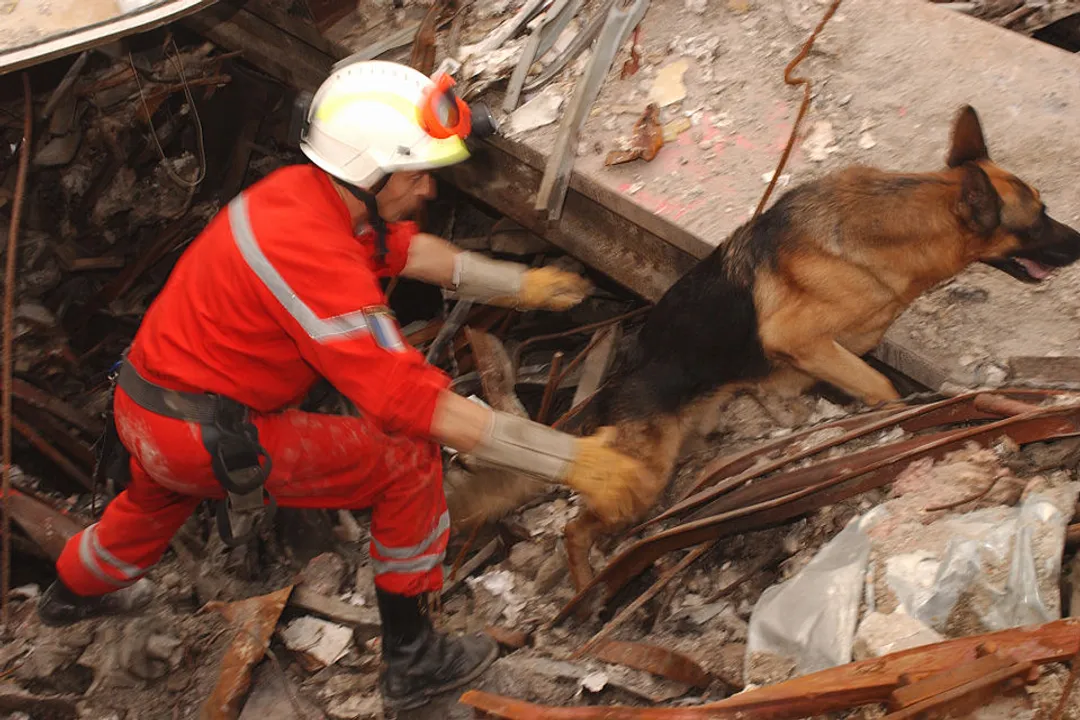
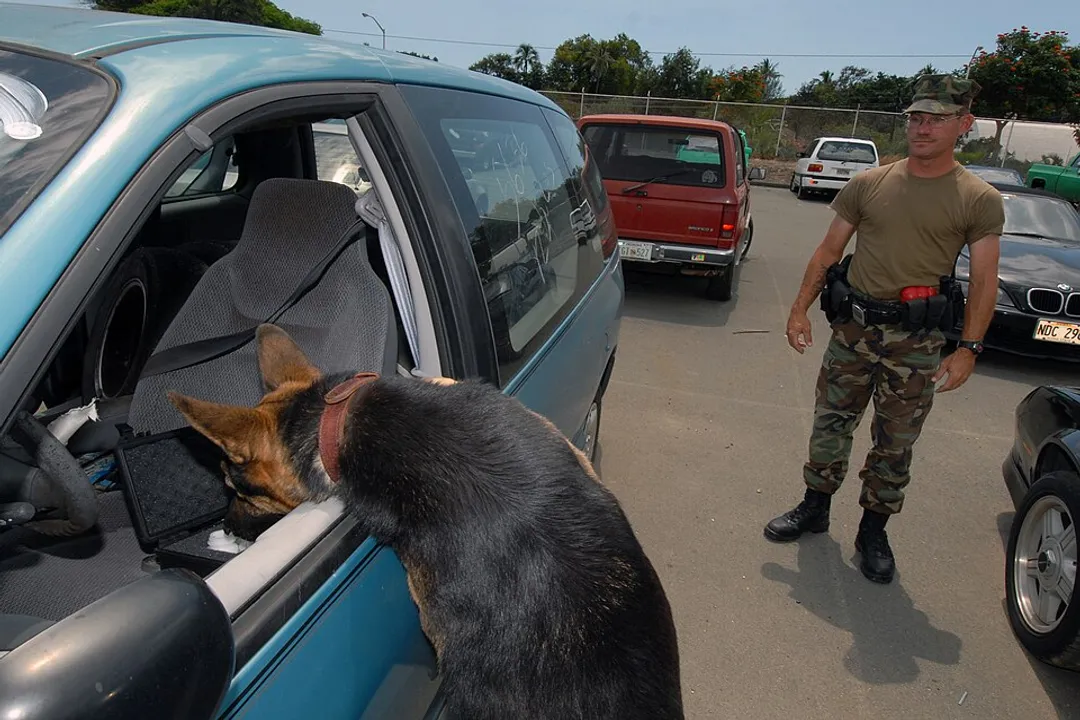
This classification as a herding dog is central to understanding the breed, even though their modern roles are far broader. Today, the German Shepherd is world-renowned for duties as a police, military, search-and-rescue, and disability assistance dog. [2][5] While they are highly regarded in these service roles—perhaps even more so than in contemporary herding—the official grouping reflects the ancestry established by Captain Max von Stephanitz, the breed’s developer, who started the methodical breeding program around 1899 from various German herding dogs. [2][4]
# Nomenclature and Formal Names
Even the name itself offers insight into classification, prompting discussion about why the term "Dog" is often appended to the formal title, resulting in "German Shepherd Dog" (GSD). [2] The German name, Deutscher Schäferhund, translates directly to this—German Shepherd Dog. [2] In common conversation, most people simply say "German Shepherd," but registries often insist on the full title. [2]
One reason cited for retaining the full name in formal documentation is to avoid confusion with other breeds whose initials might overlap, such as the Giant Schnauzer or German Shorthaired Pointer, where "GS" could apply to several breeds, but "GSD" is distinctive for the German Shepherd Dog. [2] In Great Britain, the breed was historically known as the Alsatian Wolf Dog (later shortened to Alsatian) following World War I due to anti-German sentiment, which further complicated naming conventions until the name reverted back to German Shepherd Dog by the late 1970s. [2] The retention of "Dog" in the formal name serves as a definitive classification marker within registries. [2]
# Working Versus Conformation Classification
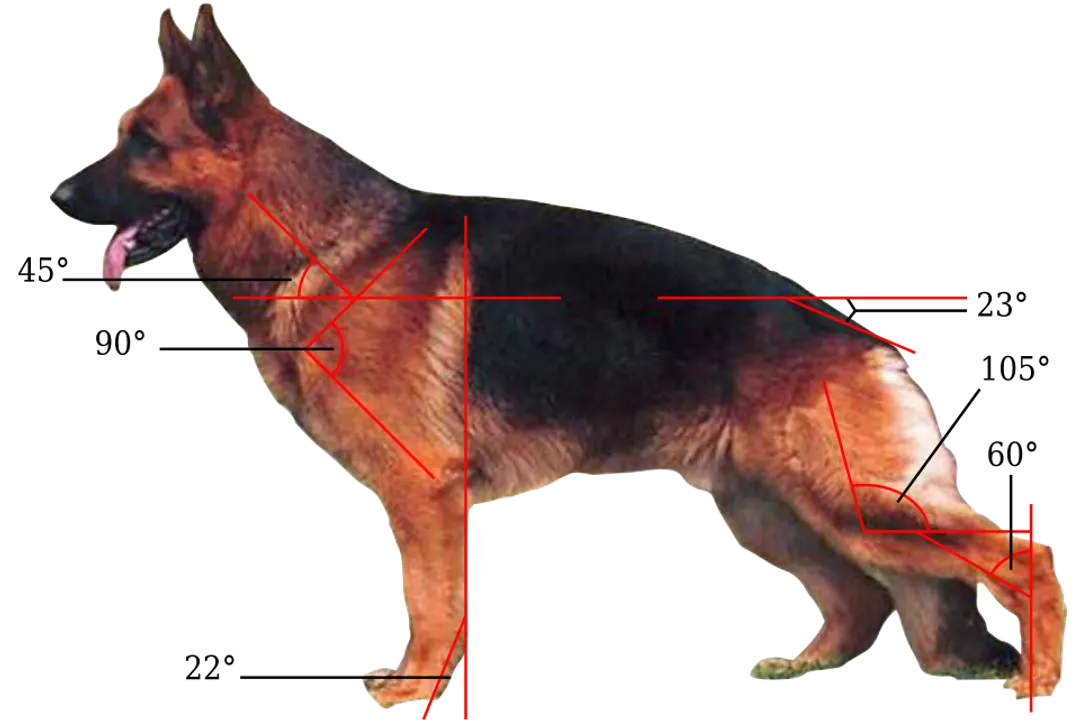
A crucial area of classification divergence involves how different kennel clubs interpret the physical traits necessary for the dog to fulfill its historical utilization—a versatile working, herding, and service dog. [4] The breed standard, which serves as the benchmark for judging at shows, is intentionally detailed to ensure the dogs retain their working capabilities. [1][4]
The original intent, emphasized by von Stephanitz, was always utility and intelligence over mere appearance. [2][4] This priority is reflected in how standards caution against specific conformational traits that hinder efficient movement, which is paramount for a working dog. [1] For instance, both the UKC and SV standards strongly caution against sharp angulation in the rear assembly (croup) or weak hocks, as these features compromise the dog’s stamina and ability to perform its traditional work. [1][4] The UKC standard explicitly states that “Any departure from the following should be considered a fault, and the seriousness with which the fault should be regarded should be in exact proportion to its degree and its effect upon the health and welfare of the dog and on the dogs ability to perform its traditional work”. [1]
This focus on structure directly relates to the health classifications the breed faces. The UK's PDSA classifies the German Shepherd in Category Three by The Kennel Club, the highest category reserved for breeds whose conformation, bred over time for appearance, has begun to cause health problems, especially concerning the shape of the back legs and hips. [1] This illustrates a tension in modern classification: the working classification demands soundness, while conformation showing has sometimes prioritized aesthetics (like exaggerated sloping lines) over that soundness. [5][1]
It is fascinating to observe how kennel clubs attempt to manage this balance in their written standards. While the AKC standard describes the dog as having “smooth, graceful curves rather than angles” and mentions a natural gait that is a “free-and-easy trot,” the USCA/SV standard is highly specific about the degrees of angulation (e.g., 120° for the upper/lower leg angle) necessary to achieve “a gait that is far-reaching and flat over the ground which conveys the impression of effortless forward movements”. [3][4] A potential owner looking at these standards must recognize that a dog bred strictly to the working definition will be classified by its performance in the field, whereas a show-line dog will be classified by adherence to the physical blueprint provided by its national club’s specific interpretation of that standard. [4]
# Size and Coat Classification
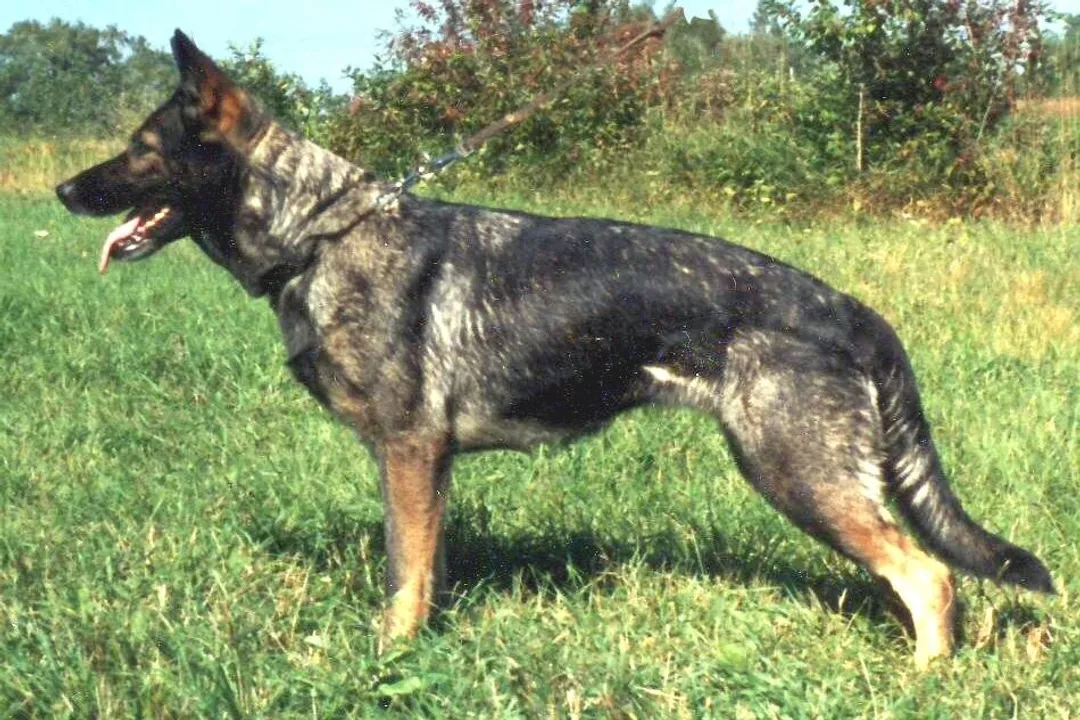
Beyond their working group, German Shepherds are classified by size. They are consistently described as medium to large-sized dogs. [2][3] Specific measurements reinforce this: males typically stand between 24 to 26 inches at the shoulder, and females between 22 to 24 inches. [2][3] Weight classifications also place them solidly in the large category, with males ranging from 30–40 kg (66–88 lb) and females 22–32 kg (49–71 lb) according to the UK/SV standard, [4] or slightly heavier at the AKC (males 65–90 pounds). [3] This size classification directly impacts ownership requirements, demanding substantial space and at least two hours of dedicated exercise daily to prevent boredom and undesirable behavior. [1]
Coat type also dictates classification nuances between registries. The breed possesses a double coat, which can manifest as medium or long. [2] The gene for the long hair is recessive. [2] The treatment of this long-haired variety is where classifications often diverge:
- The FCI officially accepts the long-haired type as variety ‘b,’ distinguishing it from the short-haired variety ‘a’. [2]
- The UK Kennel Club accepts both, but long-coated dogs might not compete directly against the standard-coated dogs in some contexts. [2]
- The AKC historically considered the long coat a fault when competing against standard-coated dogs. [2][3]
Furthermore, color carries distinct classification weight. While colors like Black & Tan, Sable, and solid Black are accepted by most standards, the color white is a significant differentiator. The UKC standard explicitly lists pure white as a Disqualification, [1] and the USCA standard states that “The color white is not allowed”. [4] Conversely, the UKC recognizes the White Shepherd as a separate breed altogether, which descends from white-coated German Shepherds popular in the US and Canada. [2] This move signifies a formal classification split based on pigmentation alone.

# Analysis of Utility Classification
It is worth noting the fascinating disconnect between the German Shepherd’s formal classification and its historical utilization trajectory. Initially standardized as a herding dog, the breed's extraordinary intelligence and biddability quickly steered it toward demanding roles in police, military, and search work. [2][5] While the "Herding Group" label remains accurate to its origin, it fails to capture the breed's modern identity as the “world’s leading police, guard, and military dog”. [5] The inclusion of the "with working trial" notation by FCI-affiliated clubs like USCA is a subtle but powerful attempt to classify the breed by its purpose, acknowledging that its essential character traits—alertness, confidence, and eagerness to please—are best demonstrated through application rather than just appearance. [4] For the average owner, recognizing this history of utility means understanding that while the dog may live as a companion, its classification is fundamentally tied to its need for a job or intense mental stimulation. [3] Failing to provide this outlet results in a highly intelligent animal creating its own (often undesirable) projects. [3]
# Related Classifications and Varieties
The German Shepherd’s influence is so profound that several distinct, though related, varieties have emerged, some of which are classified as separate breeds by some registries.
| Variety | Origin Location | Key Distinguishing Factor | Registry Status Example |
|---|---|---|---|
| White Shepherd | USA/Canada | White coloration | Recognized as a separate breed by the UKC [2] |
| East-European Shepherd | Former Soviet Union | Larger size, greater cold resistance | A distinct variety of the GSD [2] |
| Shiloh Shepherd | United States | Bred for larger size, longer back, improved hip structure | Recognized by the American Rare Breed Association since 1990 [2] |
| King Shepherd | United States | Developed to rectify perceived physical deformities in the original breed | A variety of the German Shepherd [2] |
The existence of these distinct, though related, lines highlights how different owners and regions have sought to classify and shape the core German Shepherd template to fit specific environmental or desired functional needs, sometimes resulting in official separation from the parent breed. [2]
For anyone seeking to understand this breed, the classification framework is not monolithic. It is a dual entity: officially grouped with the herders, yet functionally defined by its exceptional capabilities as a versatile worker. [2][5] The standards of organizations like the UKC and USCA place significant emphasis on temperament—demanding a dog that is confident and fearless but aloof towards strangers, never timid or shrinking, as lack of confidence is a serious defect. [1] Therefore, the German Shepherd is classified not just by its lineage or group, but by an inherent expectation of high mental fortitude and work ethic inherited from its herding origins. [4] This blend of historical group, functional aptitude, and physical standards forms the complete classification picture for this noble breed. [2][3]
Related Questions
#Citations
German Shepherd - Wikipedia
German Shepherd Dog - American Kennel Club
r/dogs on Reddit: [Discussion] Why are german shepherds referred ...
German Shepherd - PDSA
Breed Standards - United Schutzhund Clubs of America
German Shepherd Dog | Discover Animals
Breed Standards : German Shepherd Dog | United Kennel Club (UKC)
German Shepherd Breed Insights | Know Your Pet DNA by Ancestry®