What is a German Shepherd classified as?
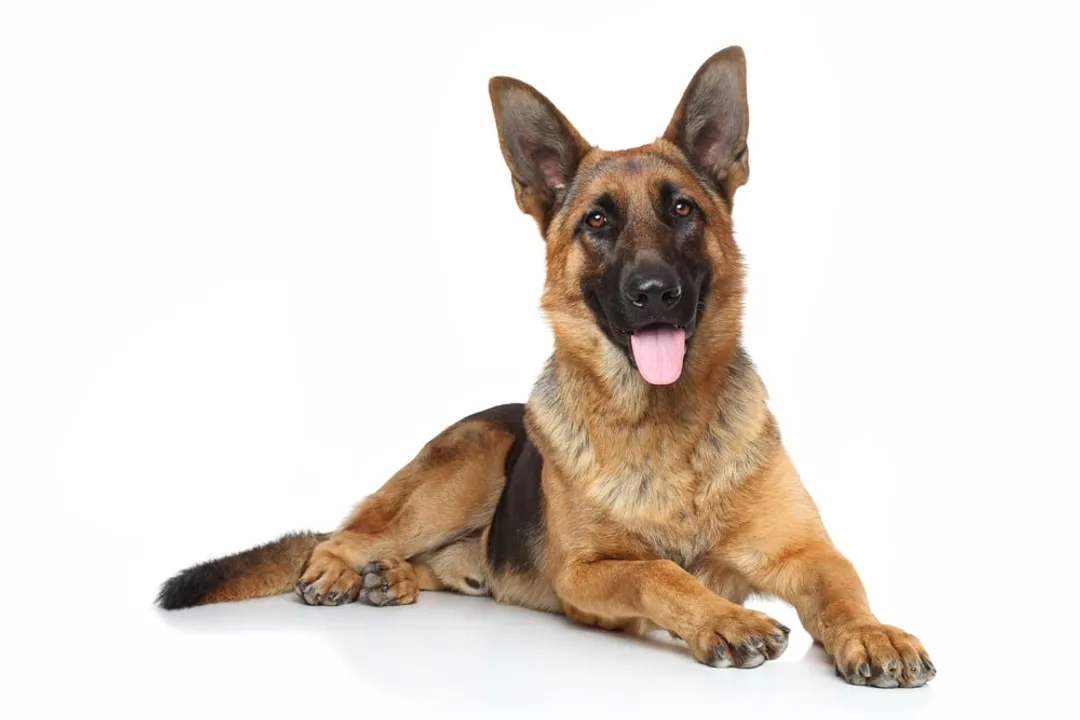
The German Shepherd is one of the most recognizable and versatile breeds in the world, often topping popularity lists due to its intelligence, loyalty, and aptitude for demanding work. When we ask what a German Shepherd is classified as, the answer branches into several distinct categories: its official group designation by kennel clubs, its historical and regional naming conventions, and the important internal divisions based on breeding purpose.
# Kennel Group

For major international and national kennel clubs, the German Shepherd Dog (GSD) falls squarely into a utilitarian category reflecting its original purpose. Specifically, the American Kennel Club (AKC) classifies the breed within the Herding Group. This grouping acknowledges its historical role, which originated in the late 1800s in Germany, where Captain Max von Stephanitz and others selectively bred various German herding and farm dogs to create a standardized, superior sheep-herding animal.
While its original function was herding sheep, the breed’s inherent intelligence and trainability quickly led to its widespread adoption in other fields. This powerful versatility means the GSD is now routinely classified by function as well—as a police dog, military working dog, search-and-rescue specialist, and disability assistance dog. The breed’s aptitude for taking instructions and its protective nature make it ideal for these roles.
# Naming History
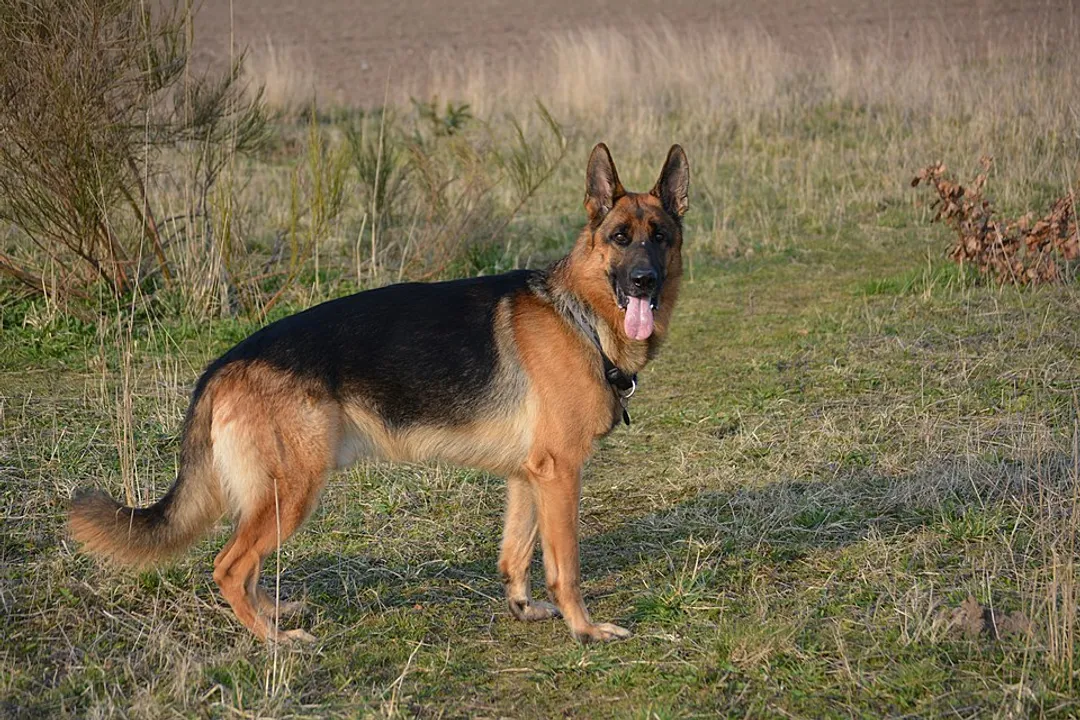
One of the most common points of curiosity regarding the German Shepherd’s classification is the use of the term Alsatian. The dog's original German name, Deutscher Schäferhund, translates directly to "German Shepherd Dog". However, following the end of the First World War, anti-German sentiment prompted kennel clubs in Allied nations to reclassify the breed to distance it from Germany. The United Kingdom Kennel Club officially renamed it the "Alsatian Wolf Dog," later dropping "Wolf Dog," taking the name from the French region of Alsace near the German border.
This naming situation highlights a fascinating interplay between politics and pedigree. While the AKC briefly dropped "German" but restored it later, the UK retained "Alsatian" for five decades until 1977, eventually dropping it entirely in 2010, though the term "Alsatian" persists colloquially in some areas. The redundancy of adding "Dog" to the name in formal registry settings—German Shepherd Dog (GSD)—is simply because it is the literal translation of the German Schäferhund. The existence of both "German Shepherd" and "Alsatian" serves as a historical marker of world events rather than an indicator of two separate breeds. A dog registered as an Alsatian in the UK decades ago is genetically the same dog recognized today as a German Shepherd Dog globally. It’s worth noting that in formal, international contexts, German Shepherd Dog remains the standard designation.
Considering the history, it's interesting to observe that this nomenclature divergence—between the formal, original German name and the historically political "Alsatian"—reflects a constant tension within the breed's identity: the desire to maintain a functional German working dog standard versus catering to public perception in international markets.
# Lineage Distinctions
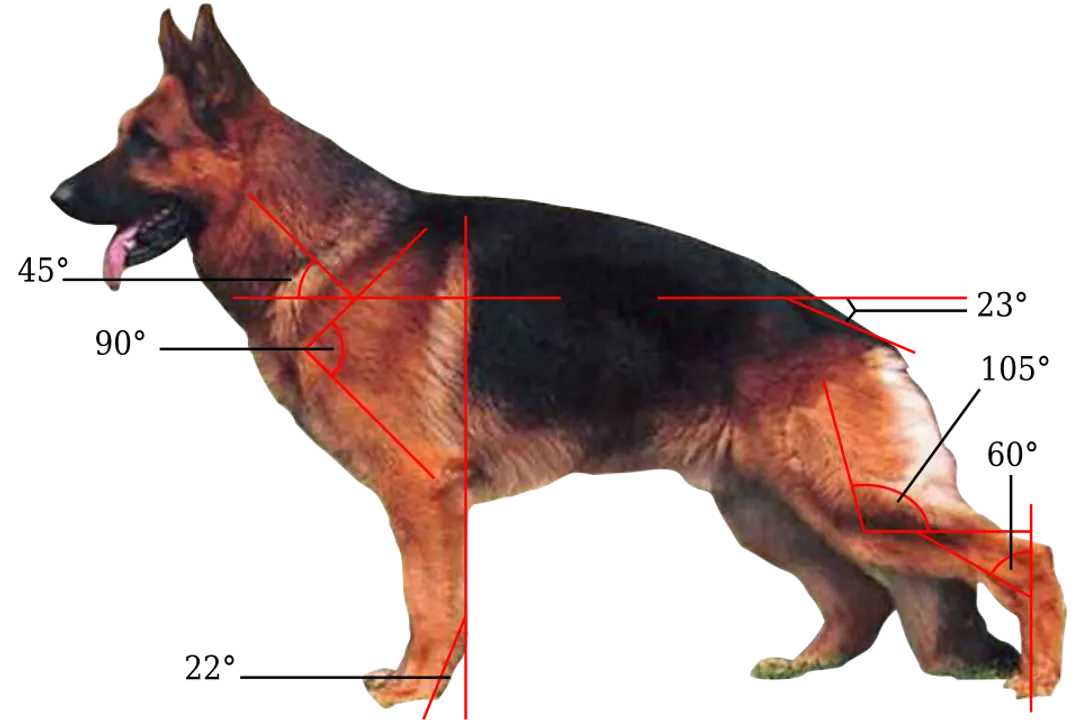
Beyond official kennel group placements, a German Shepherd is further classified internally by its specialized breeding lines. This is a critical classification for experienced enthusiasts, as it speaks directly to the dog’s physical structure and temperament, sometimes resulting in vastly different animals under the same breed umbrella. The two primary divisions are Show Lines and Working Lines.
# Show Lines
Show lines, often represented by American or West German Show Lines, are predominantly bred to meet specific aesthetic conformation standards set by breed shows. A key difference often cited in these lines is the highly angulated rear assembly, sometimes described as a "roached" or sloped back. While considered "gorgeous looks" by some, critics argue this severe angulation compromises soundness, gait, and comfort, potentially leading to a higher incidence of musculoskeletal issues like hip and elbow dysplasia.
# Working Lines
Working lines, which include East German DDR and Czech lines, emphasize utility, drive, and health over exaggerated physical traits. Dogs from these lines are bred to perform demanding jobs, often retaining the straighter back structure characteristic of the original breed standard designed for efficient herding and sustained work. East German DDR lines, for instance, are noted for being large, strong, having a thick double coat, and possessing high prey drive, often making them suitable for military or police work but potentially too intense for novice pet owners. Czech working lines are often described as the leanest and most agile.
If you are considering acquiring a German Shepherd, recognizing these line differences is vital. A dog bred for the show ring will require a different level of maintenance and exercise than one bred for high-drive police work, yet both fall under the general "German Shepherd" classification. For a typical family seeking a companion, a West German Working Line dog, which tends to be calmer and more family-friendly than some other working strains, might be recommended, provided they still receive ample mental and physical engagement.
# Performance Designations

A third layer of classification comes from performance testing and titles, particularly those emphasizing the breed’s inherent utility. These designations often appear as letters appended to a dog’s registered name and indicate certified capabilities.
Key performance classifications include:
- AD (Ausdauerprüfung): An endurance title that requires the dog to run approximately 12 miles at a steady trot, interspersed with simple obedience tests every four miles.
- BH (Begleithunde): The title for a basic companion dog, demonstrating the dog can navigate heavy traffic and crowds without shyness or incompetence.
- Schutzhund: Though this is often seen as a discipline, it originated as a suitability test for the breed in Germany to ensure desired working traits were maintained.
- Show Ratings: In conformation events, dogs can receive ratings like (SG) Sehr Gut (very good) or (G) Gut (good) in certain classes, indicating excellent promise in appearance and character, or the Grand Victor (GV), signifying the best dog in the breed class.
These designations prove that a German Shepherd is classified not just by its appearance or ancestry, but by its verifiable performance and character under specific pressures.

# Breed Variants
The classification topic also touches upon dogs that are recognized as distinct breeds but share a close genetic relationship with the GSD, often stemming from efforts to correct perceived flaws in the main line. These include:
- White Shepherd/White Swiss Shepherd Dog: Descended from white-coated GSDs. While the white coloration is a serious fault or disqualification in some show standards, the White Swiss Shepherd Dog is recognized as a separate breed by the FCI.
- Shiloh Shepherd: Developed in the US to be larger than modern GSDs while improving temperamental and structural traits, particularly hip structure.
- King Shepherd: Another US-developed variety intended to correct physical deformities seen in the primary breed.
Understanding what a German Shepherd is classified as requires looking past the simple breed name. It is a member of the Herding Group, yet excels as a working dog; it was once called an Alsatian due to political climate; and most importantly, its modern identity is split significantly between conformation-focused Show Lines and utility-driven Working Lines. For any prospective owner, sorting through these layers of classification is the first step toward finding a dog whose inherent purpose aligns with their home environment.
#Videos
The 5 German Shepherd Breed Types!?! Simply Explained! - YouTube
Related Questions
#Citations
German Shepherd - Wikipedia
German Shepherd Dog - American Kennel Club
r/dogs on Reddit: [Discussion] Why are german shepherds referred ...
The 5 German Shepherd Breed Types!?! Simply Explained! - YouTube
Is there any difference between a German Shepherd and an Alsatian?
Three Things To Know About The German Shepherd Dog
German Shepherd Dog | Discover Animals
German Shepherd's | Dog Trick Academy Forum
What are the German Shepherd Designations and What Do They ...