What is a sable German Shepherd?
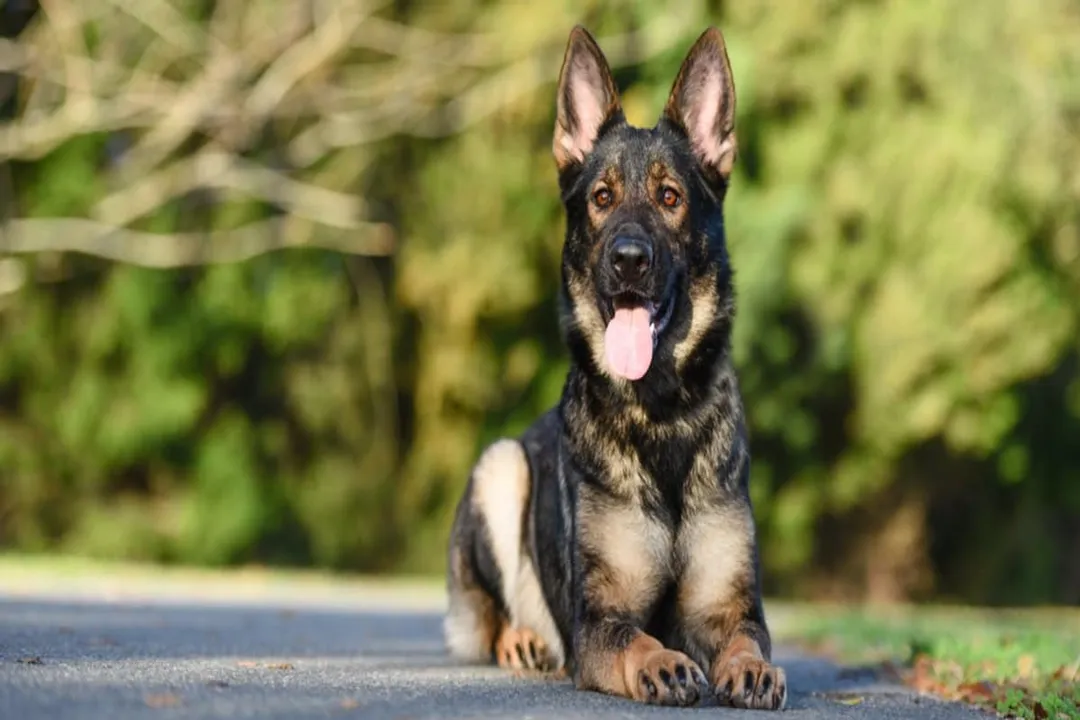
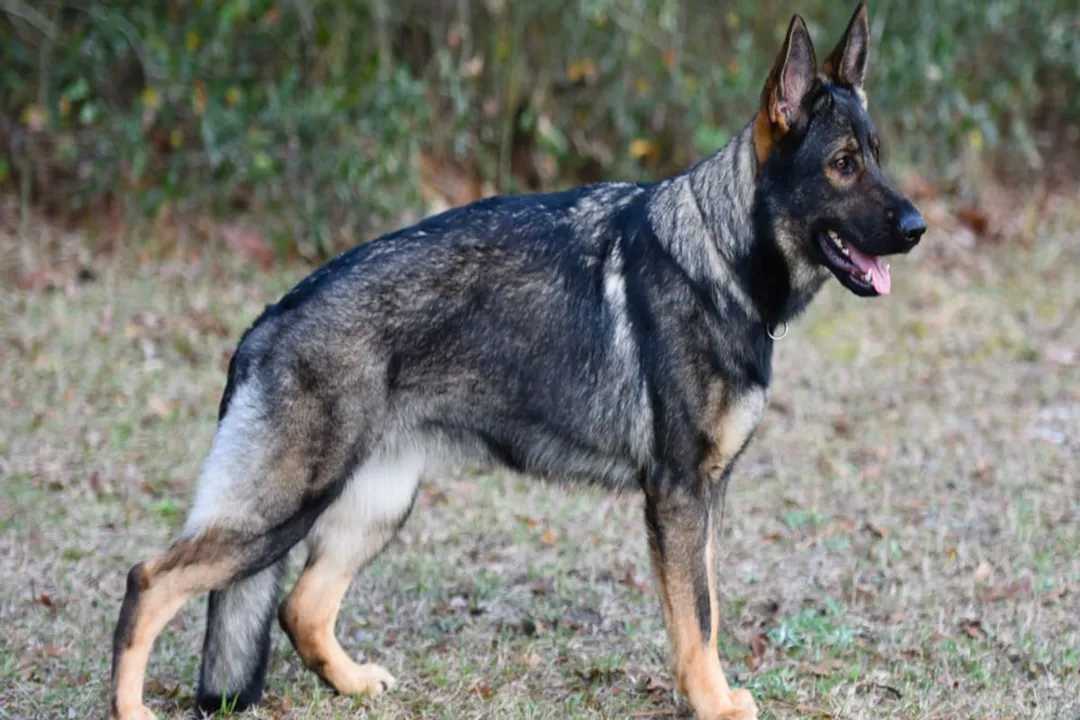
The sable German Shepherd is often recognized by its striking, multi-toned coat, which gives the dog a grizzled, wilder appearance compared to its more common black and tan counterparts. [1][5] This coloration is not a separate breed but rather a specific coat variation within the German Shepherd Dog (GSD) breed. [7] The sable pattern is characterized by bands of different colors along each individual hair shaft, resulting in a look where the dog appears tipped or shaded with black over a lighter base color, often tan, grey, or red. [2][8]
# Coat Appearance
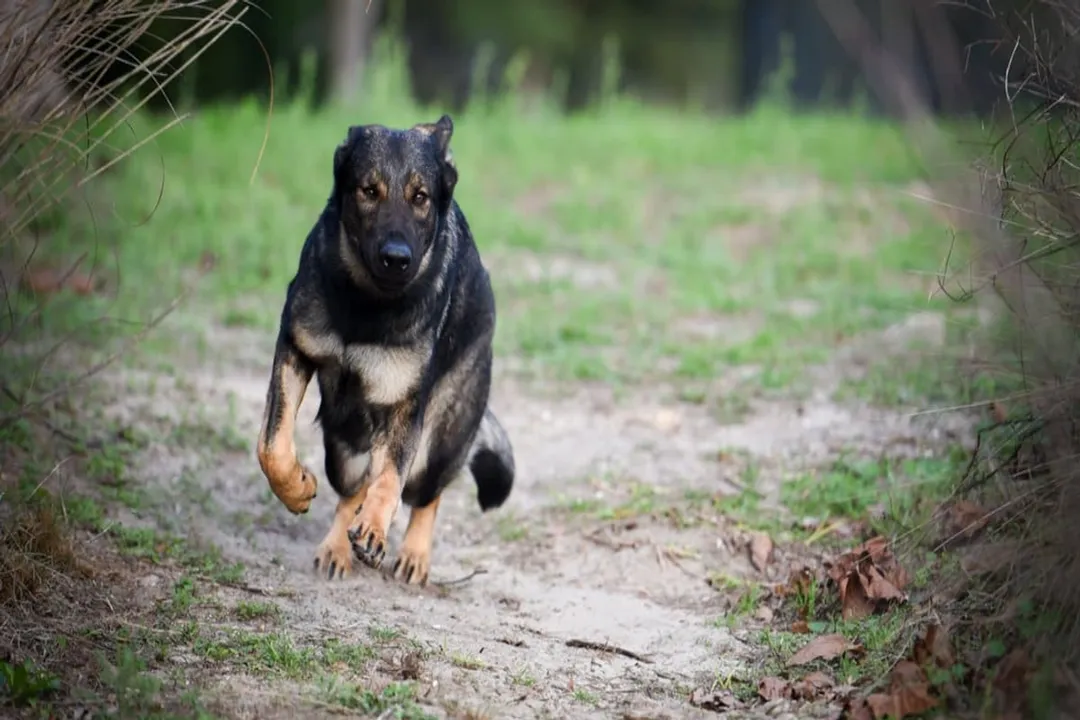
Understanding the sable coat requires looking closely at the individual hairs. Unlike a solid color dog, the sable dog’s coat is complex, featuring what is known as agouti pigmentation. [1] Each hair shaft exhibits ticking or banding, where the color changes along the length of the hair, frequently showing alternating bands of black and a lighter color, such as tan or red. [2][5] This pattern is distinct from grizzling, which is more uniformly dispersed across the coat. [1] The overall visual effect can range significantly; some sables appear very dark, almost black with just subtle tan tipping, while others exhibit a much lighter, more silver or greyish appearance. [8]
The distribution of this pigmentation varies across the body. While the saddle area and the back tend to show the heaviest concentration of black overlay, the legs, chest, and underbelly often display lighter shading. [1][5] An important detail for enthusiasts is that a dog’s true sable pattern might not be fully visible until it is about two years old, as the coat matures and the underlying colors settle. [2]
A common point of confusion involves the different types of sable seen. Some breeders distinguish between Black Sable (where the darker banding dominates heavily) and Red Sable or Tan Sable (where the lighter base color shows through more prominently). [8] Regardless of the intensity, the underlying genetic mechanism determines this banded pattern. [1]
# Genetic Basis
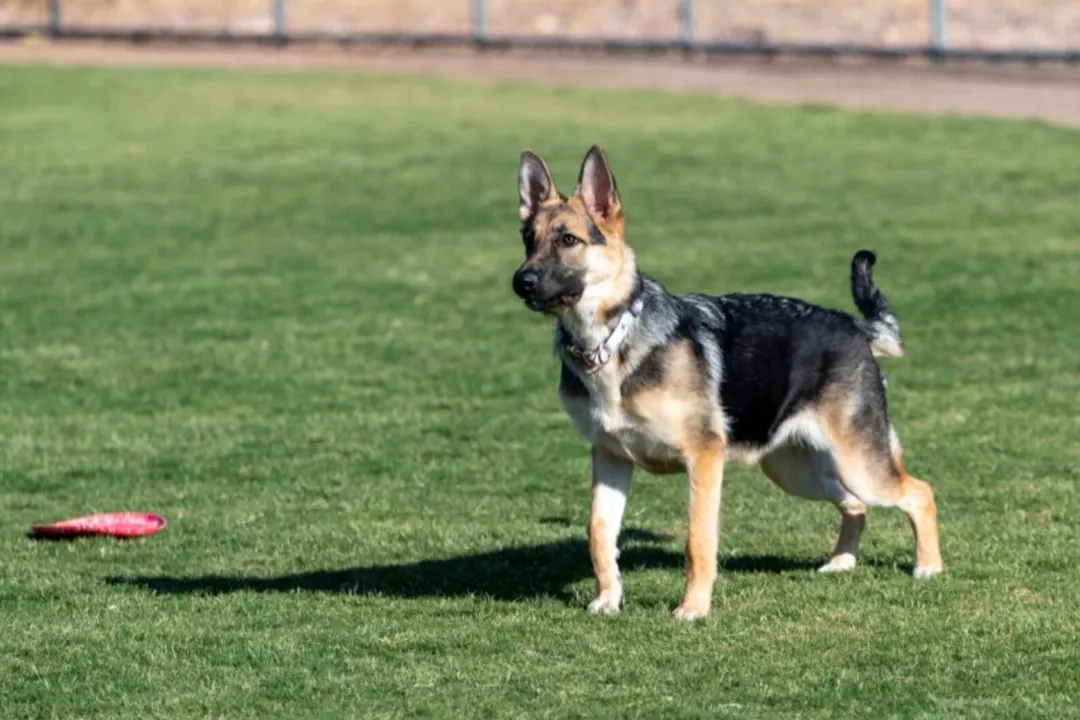
The sable coloration in German Shepherds is rooted in genetics, specifically related to the agouti gene series. [1] This gene controls the distribution of pigment within the hair shaft, not just the base coat color. [5] The sable pattern is dominant over the traditional bi-color or black and tan pattern, meaning a sable dog only needs one copy of the dominant sable gene to express the coloration. [1]
In contrast, the typical Black and Tan GSD requires two recessive genes for that specific pattern. This genetic reality often means that sable dogs can produce puppies of various colors, depending on the genes carried by the other parent. [5] For instance, if a sable male breeds with a black and tan female, the resulting litter could include both sable and black and tan puppies, as the sable gene masks the expression of the recessive patterns. [1] This genetic distinction is key to understanding why sable coloring is frequently associated with certain bloodlines. [3]
# Lines and Lineage
A significant cultural observation within the German Shepherd community relates the sable coat color predominantly to working line German Shepherds. [3][6] While coat color does not inherently dictate temperament or ability, the sable pattern is statistically much more common in dogs bred for performance, such as police work, protection, and sport, rather than the conformation (show) ring. [3][6]
The historical context suggests that the foundation stock for the breed often featured this natural camouflage coloring, lending an air of authenticity and tradition to working lines. [3] Show lines, particularly those favored in certain international breed clubs, have historically emphasized the distinct, richly patterned black and tan saddle pattern, often leading to the exclusion or down-grading of deep sable coloration in the show ring. [6]
One insightful comparison arises when looking at the selection process. If a breeder’s primary goal is producing dogs that meet strict visual standards for a particular show ring, they will actively select against genes that produce patterns like the less intense, more grizzled sable. [6] Conversely, working line breeders prioritize drive, structure, and temperament, often viewing the sable coat as a desirable, traditional marker that carries forward the original look of the breed, perhaps unknowingly selecting for traits tied to the working heritage where the sable pattern remained prevalent. [3] If one were tracking a pedigree solely based on color prevalence, a high percentage of sable dogs in the recent four to five generations might suggest a stronger leaning toward working lineage, though this is never a guarantee of temperament or working aptitude. [1][6]
# Temperament and Traits
It is crucial to state clearly that coat color does not determine a dog’s personality or working drive. [4][7] A sable German Shepherd is, genetically and structurally, the same breed as a black and tan one. Any perceived difference in temperament is more likely due to the distinct breeding programs that favor that color—i.e., the difference between a working line dog and a show line dog, regardless of the coat color itself. [4]
Working line sables are often bred for high intelligence, extreme biddability, high energy, and strong protective instincts. [3] These dogs require significant mental stimulation and physical exercise to thrive. [4] They are renowned for their intensity and focus when trained for specific tasks. [3]
However, a sable dog from a reputable show or companion-bred line will exhibit the breed's typical characteristics: loyalty, intelligence, and a sometimes reserved demeanor around strangers. [7] The key takeaway is that when people observe a sable dog being highly driven or intensely focused, they are observing the lineage (working vs. show) rather than the color itself. [4] To manage expectations, a potential sable owner should investigate the specific breeding goals of the breeder rather than just the dog's coat pattern when assessing temperament suitability. [7]
# Care Considerations
Caring for a sable German Shepherd involves the standard requirements for the breed, with the coat being the main distinguishing factor in grooming. [2]
# Grooming Needs
Sable GSDs possess a double coat: a soft, insulating undercoat and a harsher, protective outer coat. [2][8] This means they are seasonal heavy shedders, often referred to as "blowing their coat" twice a year, usually in the spring and fall. [2]
Regular brushing is necessary year-round to manage shedding and prevent matting, particularly in the thicker undercoat. During peak shedding periods, daily brushing with an undercoat rake or de-shedding tool becomes essential. [2][8] While the texture of the sable coat may sometimes feel slightly harsher or wirier than some show-line coats, the fundamental shedding cycle remains the same. [1] Owners should be prepared for the reality of dog hair in the home environment, as even diligent grooming cannot stop the natural shedding cycle of a double-coated breed. [2]
# Health and Longevity
Like all purebred German Shepherds, sable GSDs are prone to certain hereditary conditions. [5] Responsible breeders screen diligently for hip and elbow dysplasia. [5] Prospective owners should always request health clearances for the parents, such as certifications from the Orthopedic Foundation for Animals (OFA) or equivalent international bodies, regardless of the dog's color. [5] Other concerns common to the breed include degenerative myelopathy (DM) and certain cardiac issues. [5]
The lifespan for a healthy German Shepherd, including the sable variety, typically ranges from 9 to 13 years. [8] Ensuring proper nutrition, consistent moderate exercise, and regular veterinary check-ups plays the most significant role in achieving the upper end of this range. [8]
# Selecting a Sable Puppy
When seeking a sable German Shepherd, the process involves due diligence far beyond admiring the coat color. It requires an understanding of what the breeder is aiming to produce.
# Breeder Investigation Checklist
A solid approach to finding a quality sable involves these steps:
- Health Testing Review: Insist on seeing proof of health testing for the sire and dam, focusing specifically on hips, elbows, and potentially DM screening. [5] A breeder who hesitates to provide these documents should be avoided.
- Lineage Trace: Ask about the dog's lineage. Are they primarily working lines, show lines, or a stable cross? This informs the expected energy level and temperament profile. [3][6] If the breeder focuses heavily on "protection certifications" for the parents, expect a higher-drive dog that needs an experienced handler. [3]
- Temperament Observation: Spend time with the puppy's parents, if possible. The dam's temperament is a significant indicator of what the puppies will inherit. [7] A good breeder will manage early socialization, exposing puppies to various sights, sounds, and textures before they go home. [4]
It is worth noting that if a breeder is selling a sable puppy at a significantly lower price than others in the region, skepticism is warranted, as ethical breeding involving health testing and proper early socialization is an expensive endeavor. [1] The true value of a GSD, sable or otherwise, is found in its genetic health and stable temperament, not just the coat pattern that caught the eye. [4][7] A sable dog purchased purely for looks without considering its background might inherit high-drive genetics without the necessary training structure to channel that energy appropriately, leading to potential behavioral frustration down the line. [3] For example, a highly intelligent dog left with insufficient mental puzzles might resort to destructive chewing or excessive barking as a form of self-entertainment. [1]
#Videos
Sable German Shepherd: Does Coat Color Affect Behavior & Health?
Related Questions
#Citations
Sable German Shepherd - Dog Breed Facts and History
Sable German Shepherd: Traits, Training, and Care Guide
[Discussion] Why are most working line German Shepherds sable?
Sable german shepherd coloration explained - Facebook
Sable German Shepherds: Characteristics, Temperament, & More
Sable vs. Show Line German Shepherd Dogs
Sable German Shepherd - Dogs - A-Z Animals
Sable German Shepherd: Does Coat Color Affect Behavior & Health?
Sable Czech Shepherds are a specific color variety of ... - Instagram