Should German Shepherds be kept indoors or outdoors?
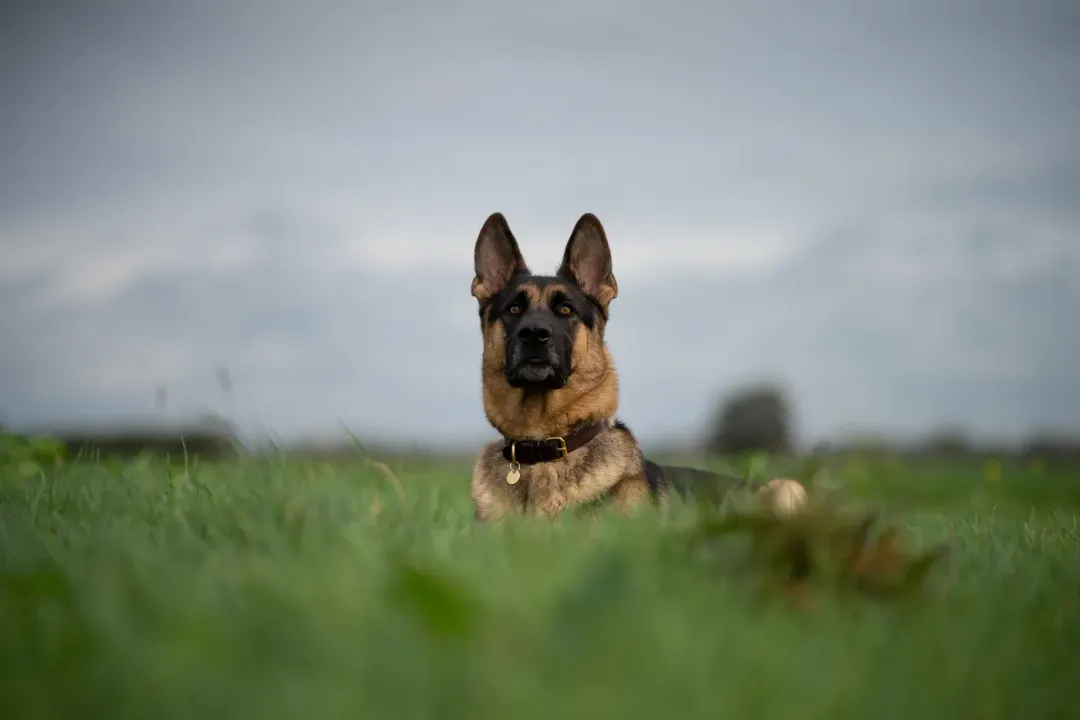
Deciding where a German Shepherd (GSD) should reside—inside the home or primarily outside—is a frequent topic of discussion among owners, largely because this breed possesses a complex mix of independence rooted in its working background and an intense desire for human connection. [7] These dogs were developed to work closely alongside people, which means that while they possess physical resilience, their emotional needs often point toward spending the majority of their time near their families. [2][5] The right answer isn't a simple yes or no; it hinges entirely on providing the correct environment, whether that involves a fully secured indoor space or a carefully managed outdoor setup. [1][6]
# Breed Nature
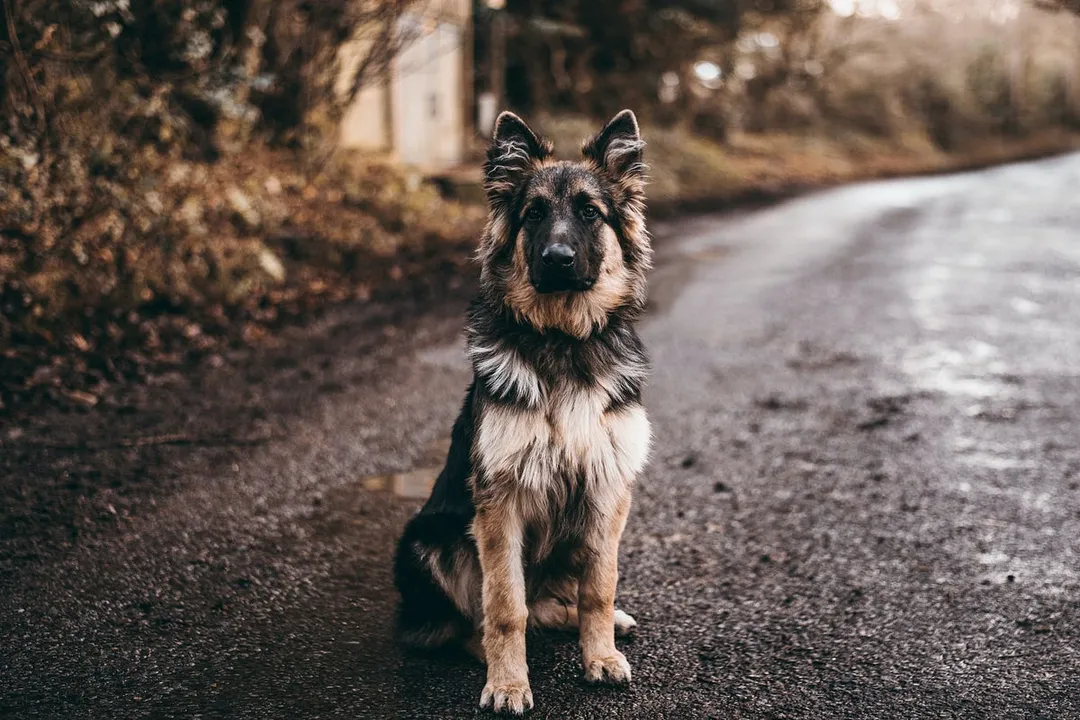
German Shepherds are exceptionally intelligent and driven animals. [5] Their original purpose demanded high levels of training, problem-solving, and physical output. [7] This inherent drive means that simply having a fenced yard is rarely enough if the dog is left alone all day. Boredom is a significant threat, often leading to destructive habits, excessive barking, or developing anxiety if their needs for mental stimulation and companionship aren't met. [4][9] A GSD that is physically active but mentally starved will not thrive, regardless of its housing location. [5]
# Outdoor Living
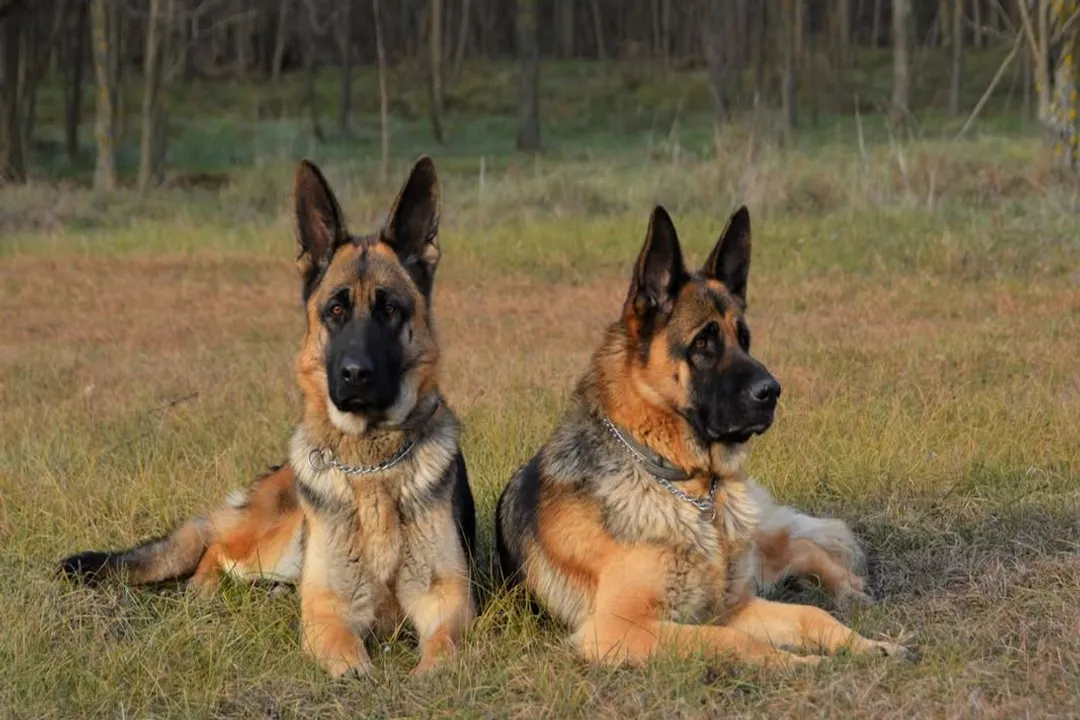
The physical makeup of the German Shepherd does allow it to handle outdoor living, provided certain strict conditions are maintained. They are equipped with a double coat, which offers substantial protection against cooler temperatures. [3][4] Many owners report successfully keeping their GSDs outside full-time, especially in climates that aren't brutally hot or dangerously cold. [1][6] However, "success" outdoors requires more than just a fence.
For an outdoor GSD to be healthy, it absolutely must have robust, easily accessible shelter. This shelter needs to protect them from direct sun, driving rain, and wind. [3][4] A simple lean-to is often insufficient; owners must ensure the dog house is dry, well-insulated for the local climate extremes, and large enough for the dog to stand up, turn around, and lie down comfortably. [4][6] Furthermore, constant access to fresh, clean water is non-negotiable. [4]
One common pitfall is confusing yard space with yard engagement. A sprawling, empty yard can quickly become boring. If your GSD spends the majority of the day separated from you in a large but unstimulating outdoor area, you are essentially cultivating isolation. The dog might be physically present on the property, but they are mentally deprived, which defeats the purpose of keeping a companion breed happy. [9] Consistency in interaction remains the key factor; an outside dog needs dedicated play sessions and training time with the family every single day, just as an inside dog would. [1]
# Indoor Comfort
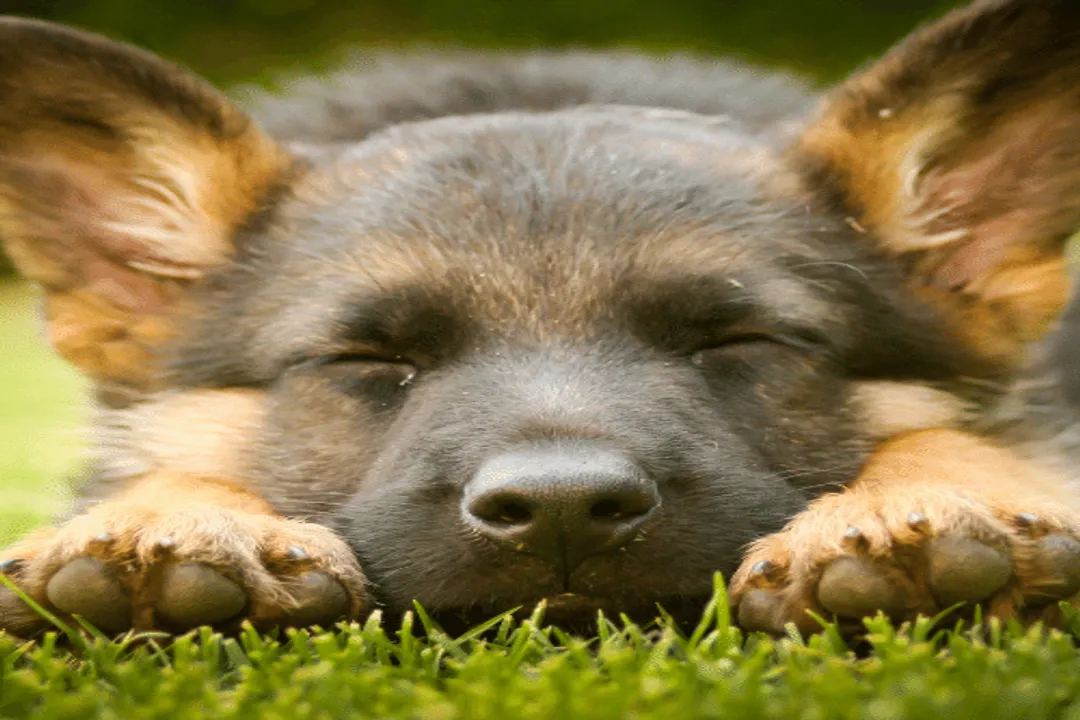
Conversely, keeping a German Shepherd indoors ensures they remain integrated into the family unit, which aligns perfectly with their deep social instincts. [7] When inside, they benefit from easier supervision, immediate access to comfort, and protection from environmental hazards like extreme weather, pests, or potential theft. [2][6] A GSD sleeping inside is not just safer; they are more attuned to the household rhythm and are better able to fulfill their inherent guarding instincts through observation from a secure vantage point, like near a window or the front door. [7]
For owners in urban or suburban areas where large, secure yards are unavailable, or where extreme weather is the norm, indoor living is the far superior choice. When kept inside, mental enrichment becomes a top priority to offset the lack of free outdoor exploration. This means dedicated time spent on puzzle toys, scent games, or structured training sessions—even if the sessions are short, consistency is what counts. [9]
# Climate Needs
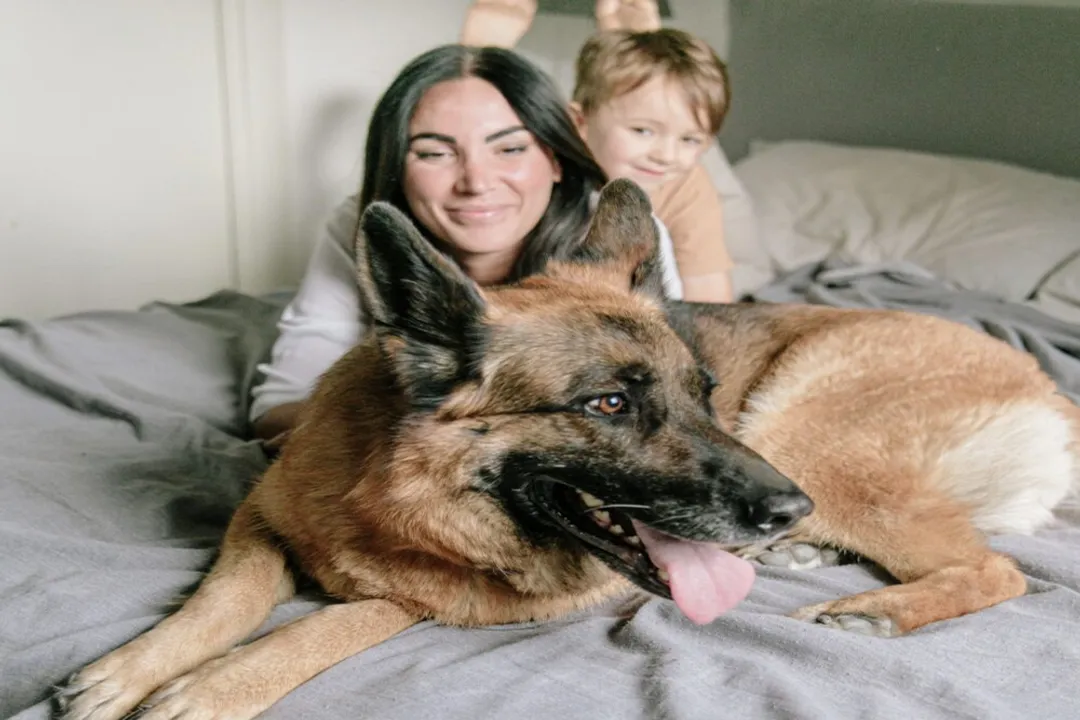
The climate plays an enormous role in this decision, often overshadowing owner preference. While the double coat offers reasonable defense against winter chill, it does not make them impervious to freezing temperatures or deep snow, particularly if their outdoor shelter is inadequate or if they are left outside for extended periods without adequate warm bedding. [4][6]
The bigger, more immediate danger in many regions is heat. German Shepherds are susceptible to heat exhaustion and heat stroke, especially when they are dark-coated and exercising in direct summer sun. [6] If you live where temperatures frequently exceed 80 degrees Fahrenheit (about 27 degrees Celsius), keeping them indoors in air conditioning during the hottest parts of the day is an act of responsible ownership, even if they have access to the yard during cooler mornings and evenings. [6] Conversely, in areas with harsh winters, leaving an older GSD or one with a thinner coat outside overnight is generally unsafe without a specialized, temperature-controlled run or kennel setup. [3]
# Shared Residence
The reality for most successful GSD owners isn't strictly one or the other, but a practical balance that prioritizes the dog's well-being over rigid location rules. A setup where the dog lives primarily indoors but has secure, supervised, or regular access to a yard is often the gold standard. [1][6] This allows the dog to enjoy fresh air and potty breaks while still being fully integrated into the family structure. [2]
Consider the typical schedule: If you are working from home or are retired, having the dog accompany you outside for long periods while you garden or supervise work is excellent. If you work an eight-hour day outside the home, leaving the dog outdoors for that entire duration—even with a shelter—is often detrimental to their bonding and mental state. [9] In this specific scenario, keeping the dog inside while you are gone, perhaps with crate training or a designated safe room, ensures they are not suffering from isolation anxiety compounded by environmental exposure. An owner's physical presence and engagement are more vital than the square footage of the yard when determining primary residence.
# Security Factors
Beyond comfort and climate, owners must weigh security concerns. A German Shepherd is a valuable and desirable breed, making them targets for theft. [2] Keeping them indoors, or at least securely housed overnight, mitigates this risk considerably. Additionally, an indoor dog is protected from potential encounters with wildlife, parasites, or neighborhood hazards that they might face roaming an outdoor perimeter. [2][6] This added layer of passive protection often tips the scales toward indoor residency for many dog owners.
# Enrichment Checklist
Regardless of the primary location, every GSD owner needs to commit to providing enrichment. You can use this simple checklist to assess if your setup is meeting your dog's needs:
| Need | Indoor Requirement | Outdoor Requirement |
|---|---|---|
| Exercise | Daily structured walks (at least 1 hour total). [5] | Supervised playtime in a secure area. [1] |
| Mental Work | Puzzle feeders, chew toys, training sessions. [9] | Rotation of engaging outdoor toys, scent work in the grass. |
| Shelter | Climate-controlled comfort, a dedicated dog bed/crate. [4] | Insulated, waterproof structure protected from wind and sun. [3][4] |
| Socialization | Constant proximity to family members. [7] | Direct, quality interaction time with family every day. [1] |
If you find that you can meet the time commitment for walks, training, and indoor bonding, the where becomes secondary to the how you engage with your dog. If the outdoor environment guarantees isolation for long stretches, the indoor environment, even if smaller, provides a healthier psychological setting for this companion breed. [7][9] Ultimately, the best home for your German Shepherd is the one where they feel most connected to you and least exposed to danger or boredom.
Related Questions
#Citations
Can German shepherds live outside full time
Do you keep your dog Indoors or Outdoors?
Are German Shepherds indoor or outdoor dogs?
Can a German Shepherd Sleep Outside?
Do German Shepherds prefer to stay outside most of the ...
When to Bring Your German Shepherd Indoors? | FAQ
Are German Shepherds Outside Dogs? | by Misbah
Home Alone! Keeping Your German Shepherd Entertained