What is the taxonomic classification of a German Shepherd?
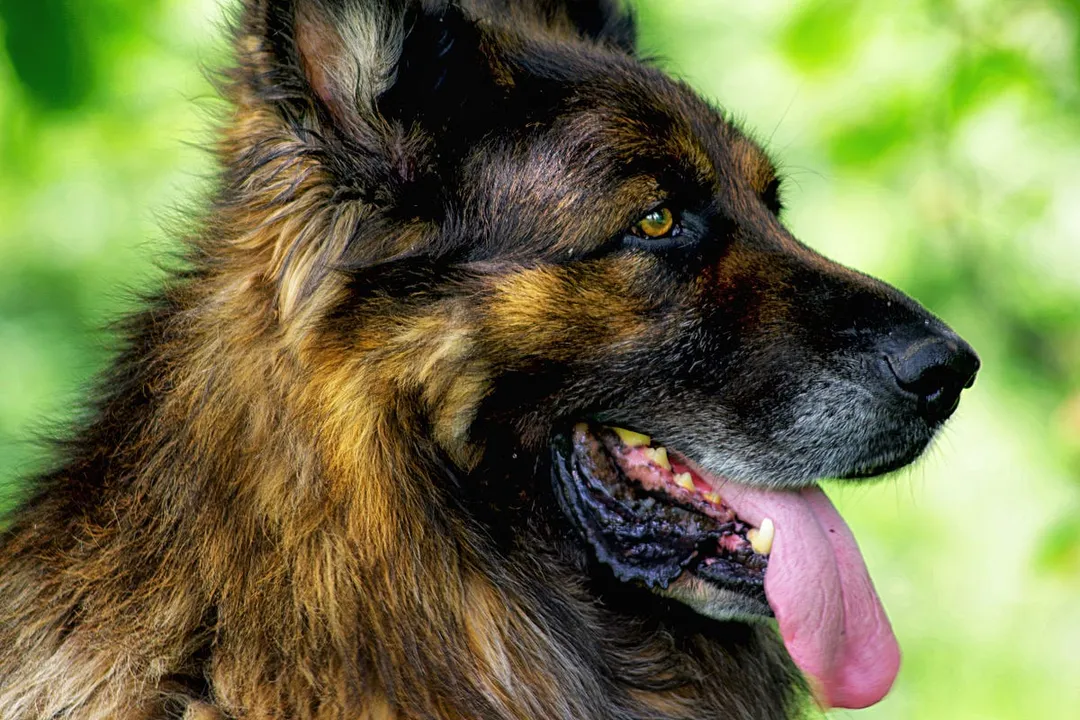
The German Shepherd Dog, renowned globally as an intelligent worker and loyal companion, possesses a fascinating placement within the biological world that extends far beyond its role as a domestic pet. To truly appreciate this breed, one must understand the scientific system that slots it into the vast tapestry of life—its taxonomic classification. This hierarchy, developed by Carl Linnaeus in the 18th century, organizes living organisms into structured ranks, making it simpler to grasp evolutionary relationships and shared characteristics.
# Broad Kingdom

The initial placement of the German Shepherd is broad, starting at the highest level: the Kingdom Animalia. This kingdom groups all animals, defined by being multicellular, eukaryotic organisms that must consume other organisms for energy (heterotrophic), and typically possessing specialized sensory organs and nervous systems. Descending from this large grouping, the breed falls under the Phylum Chordata. Membership here means that, at some point in their development, German Shepherds possessed a notochord, a dorsal nerve cord, and gill slits—features common to all vertebrates.
# Mammalian Traits
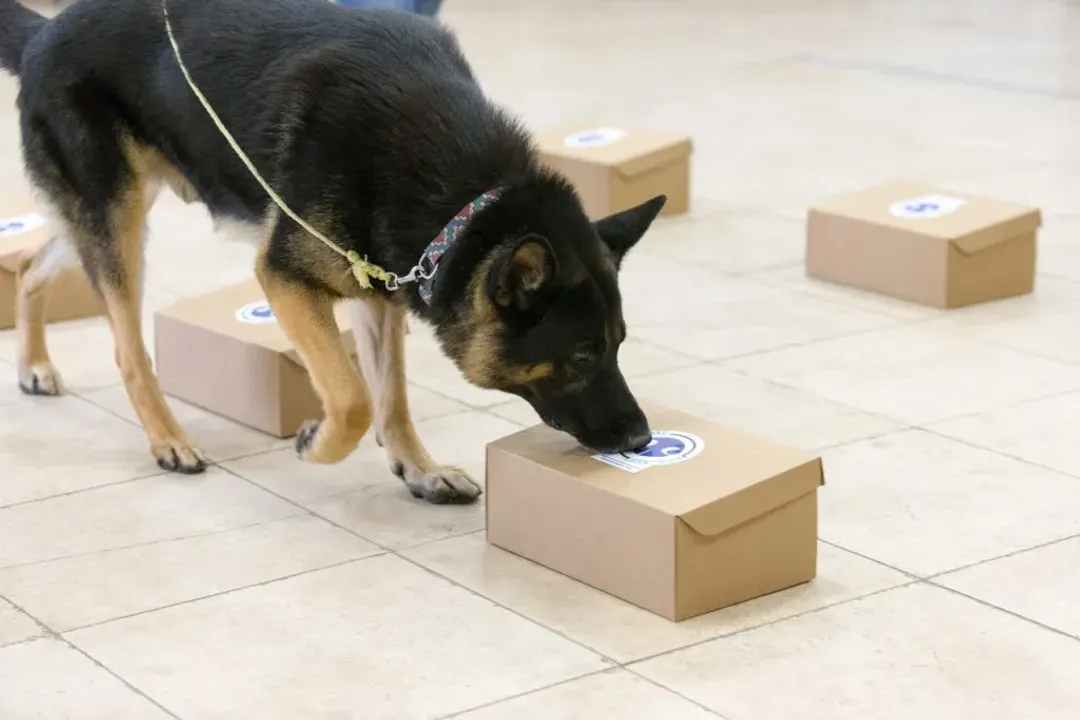
Continuing down the ranks, the German Shepherd is securely placed within the Class Mammalia. This classification is immediately recognizable by shared mammalian traits: the presence of hair or fur and the ability to produce milk to nourish their young. Like all members of this class, the German Shepherd is warm-blooded and benefits from the development afforded by a complex brain structure.
# Order Carnivora
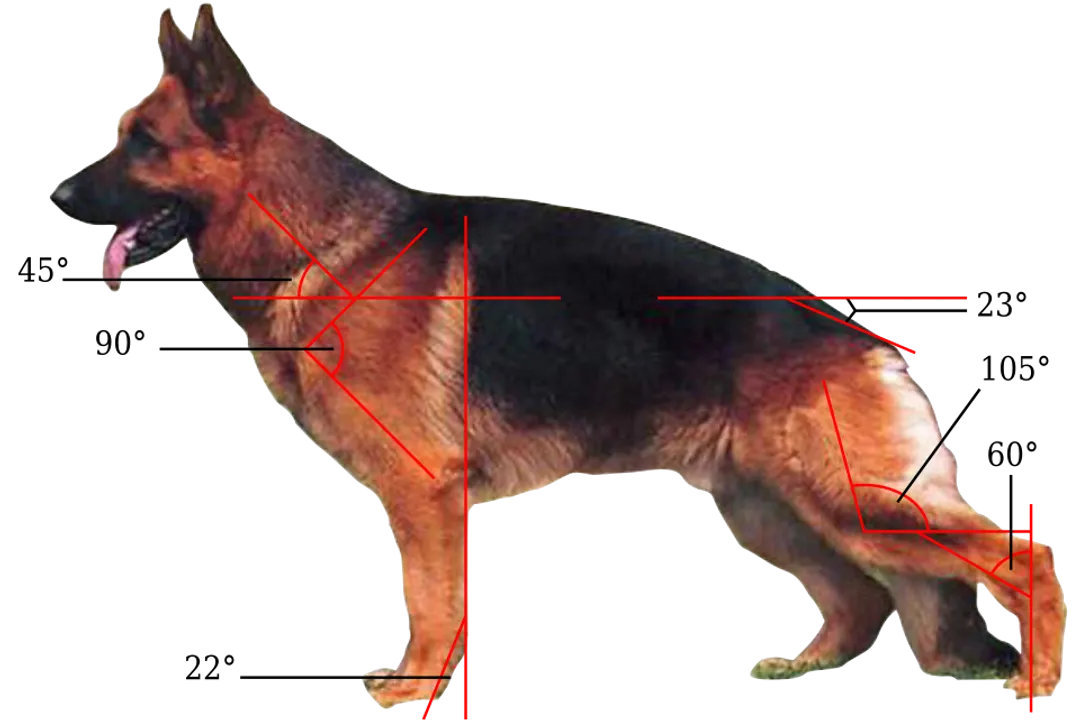
The next level introduces a key functional characteristic: the Order Carnivora. This order groups together animals primarily adapted for consuming meat, defined by specialized teeth capable of tearing flesh, which supports their hunting and predatory ancestry. Although the modern German Shepherd is an omnivore that readily consumes both plants and animals, this classification points directly to the instincts that made them effective working dogs.
The transition from Order to Family places the German Shepherd squarely among the canids, in the Family Canidae. This family includes dogs, wolves, foxes, and their relatives, unified by recognizable social structures, vocalizations, and, in many cases, pack behavior evident in both domesticated and wild species.
# Genus Canis
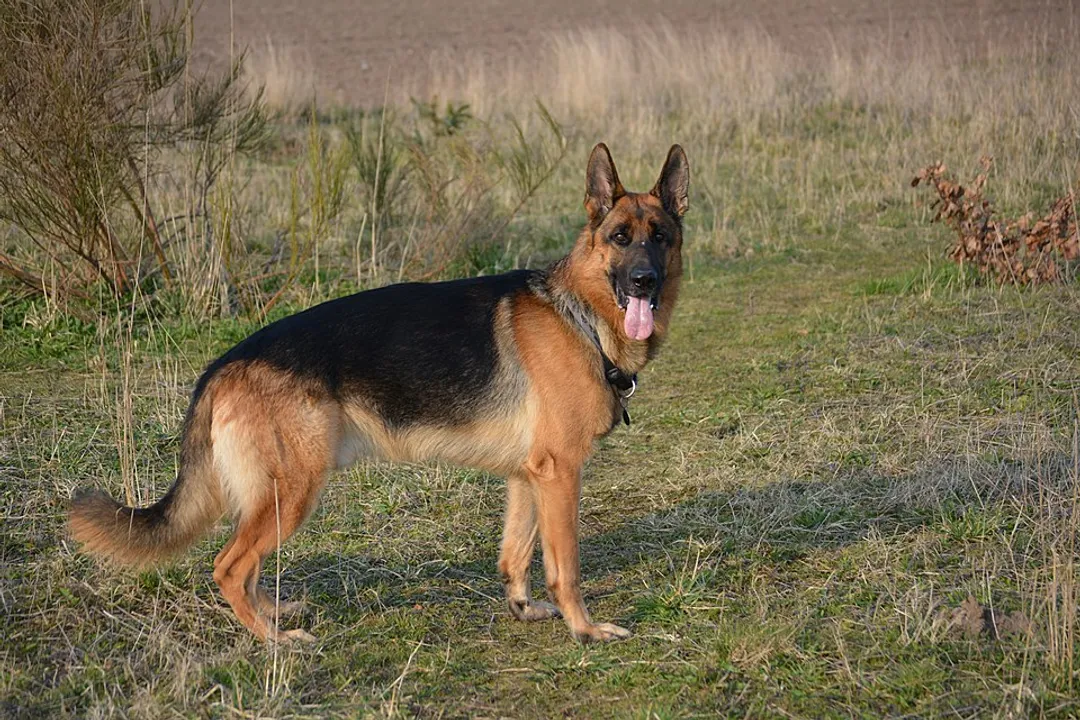
The Genus level narrows the focus further to Canis. This genus specifically encompasses the dogs and their closest relatives, sharing common behaviors and physical attributes. It is here we start to see the direct relationship between the noble working dog and its wild ancestor.

# Species and Subspecies
The final, most specific steps in the classification define the breed itself. The German Shepherd is classified scientifically as part of the Species Canis lupus. This step is significant because it scientifically ties the domestic dog to the gray wolf (Canis lupus). Finally, the full trinomial name designates the domesticated variety: Canis lupus familiaris. This subspecies designation confirms that while they retain the core biology of the wolf, they are a product of human intervention. The breed was formally established by Max von Stephanitz using various German herding dogs starting in 1899, aimed at creating the perfect working animal.
# Classification Structure
For clarity, here is the established hierarchy for the German Shepherd Dog:
| Taxonomic Rank | Classification |
|---|---|
| Kingdom | Animalia |
| Phylum | Chordata |
| Class | Mammalia |
| Order | Carnivora |
| Family | Canidae |
| Genus | Canis |
| Species | C. lupus |
| Subspecies | C. l. familiaris |
The classification system confirms that the German Shepherd is not merely a breed but a variation of a wild animal, which helps explain some of the traits breeders actively selected for. The very foundation of the breed, as engineered by von Stephanitz, centered on preserving the intelligence, strength, and keen sense of smell necessary for herding sheep. The fact that they are classified as Canis lupus, rather than a completely separate species, demonstrates that domestication represents a divergence in behavioral expression and conformation, but not a fundamental break from the wild lineage. Recognizing this deep connection to the wolf helps explain why modern GSDs retain strong pack drives, an intense desire to work, and high levels of situational awareness, even when raised in loving homes far from the fields they were originally intended to patrol.
This inherent wiring, derived from their lupus heritage, is a double-edged sword. While it leads to the superb intelligence and obedience prized in police and service roles, it also mandates committed socialization and training. A GSD owner who understands that their companion's instincts are rooted in pack hierarchy and territory defense—traits essential to survival in the wild—is better equipped to channel that energy constructively through obedience work or specialized canine sports, ensuring the dog remains a balanced family member.
Furthermore, understanding their placement in Order Carnivora offers a practical application for daily care. Although classified as omnivores, their close relation to obligate carnivores means their digestive system and metabolic needs are heavily biased toward animal protein. Therefore, a successful care regimen for any German Shepherd emphasizes high-quality food formulated for large breeds, respecting this deep evolutionary demand for meat-based nutrients rather than relying heavily on plant matter to meet their substantial energy requirements. Simply put, their scientific taxonomy provides a blueprint for their dietary best practices.
Related Questions
#Citations
German Shepherd Dog | Discover Animals
German Shepherd - Wikipedia
German Shepherd Guide | Facts, Pictures | A-Z Animals
German Shepherd | Wild Kratts Wiki - Fandom
German Shepherd - Students | Britannica Kids | Homework Help
What is the taxonomic classification of a German Shepherd? | Filo
German Shepherd Classification - Jonathan Rodriguez - Prezi