Are black sable German Shepherds rare?
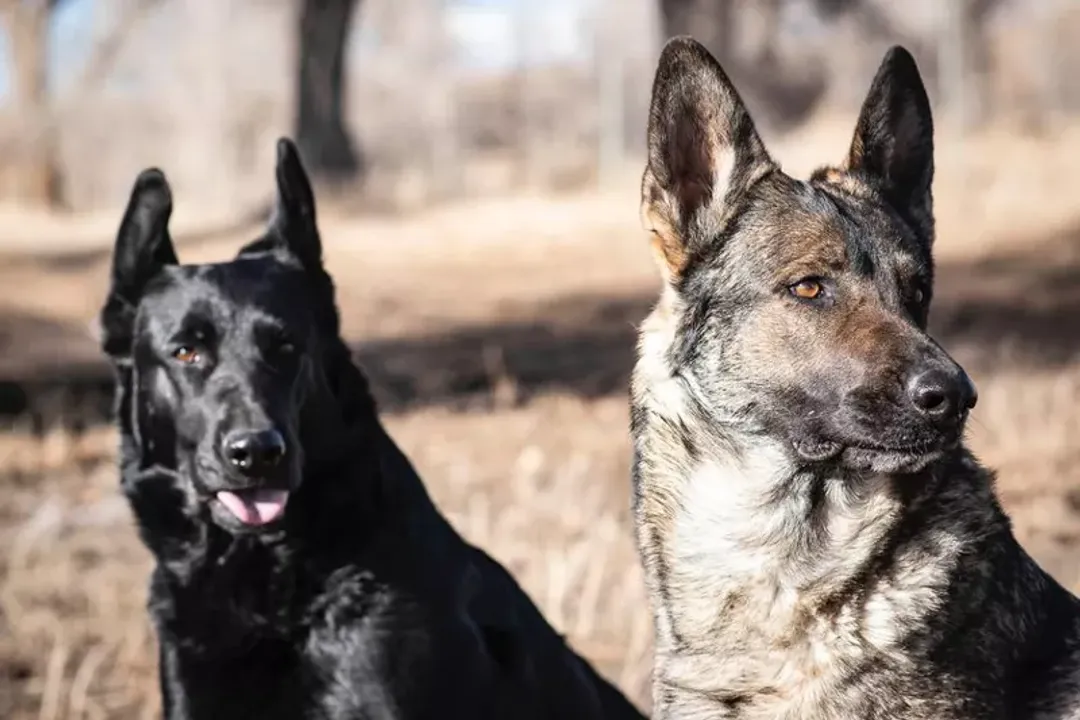
The image of the German Shepherd most people hold involves the classic black and tan saddle pattern. When the conversation shifts to solid black or black sable variations, the perception of commonality often changes. Many owners and enthusiasts debate whether the black sable German Shepherd is a rare sight in the breed community. The answer, much like the coat itself, is layered, depending heavily on how one defines "black" and the specific genetic combination present in the dog. To understand the true status of the black sable, we must look past surface appearances and delve into the genetics that define these striking, yet sometimes misunderstood, coat colors.
# Coat Variations
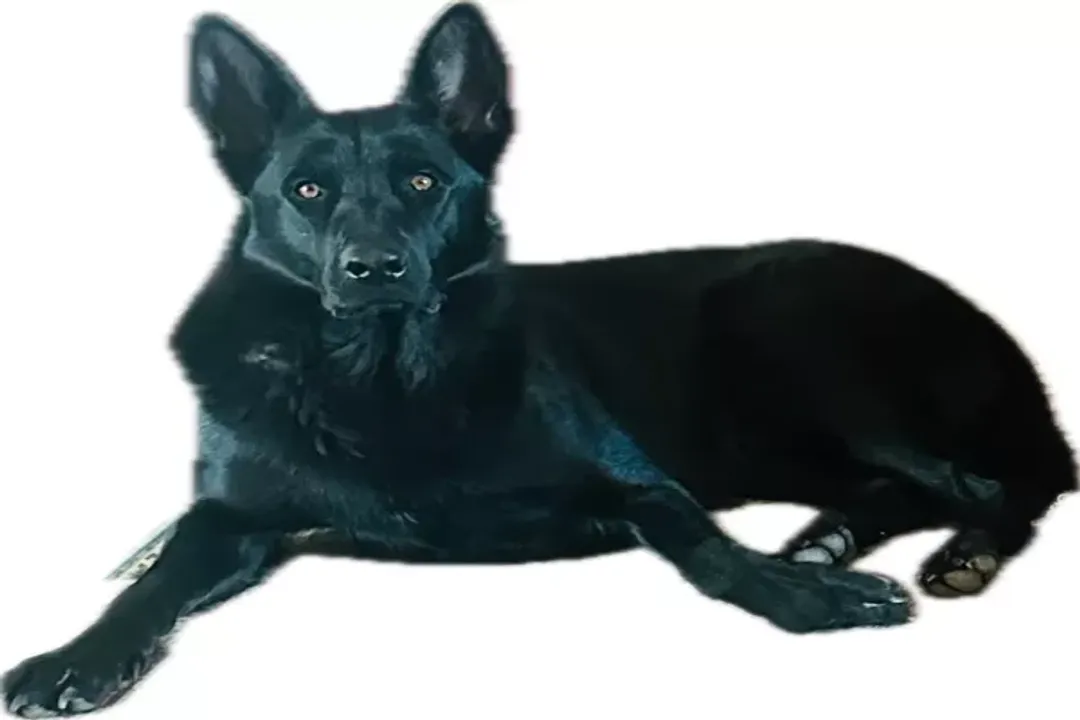
German Shepherds come in a variety of recognized colors, including the standard black and tan, sable, bi-color, and solid black. The sable pattern itself is not monolithic; it exists on a spectrum, ranging from light gray-sable to rich red-sable, and critically, black sable.
A true sable dog carries bands of color along each individual hair shaft, a pattern controlled by the Agouti (A) series of genes. In a black sable, this banding is predominantly black, but the undercoat or base of the hair may show lighter coloration, creating a complex, shadowed appearance. From a distance, or in dim lighting, a dog with a heavy black overlay or very dense sable ticking can easily be mistaken for a solid black dog. This visual overlap is a primary source of confusion when discussing rarity.
Solid black German Shepherds, on the other hand, possess hair shafts that are uniformly black from root to tip, lacking the distinct banding of the sable pattern. While solid black dogs are less frequently seen than the ubiquitous black and tan, they are a standard, recognized color. The distinction between a very dark, heavily marked black sable and a solid black dog is subtle enough that casual observers, and even some newcomers to the breed, often group them together or mistake one for the other.
# Genetic Basis
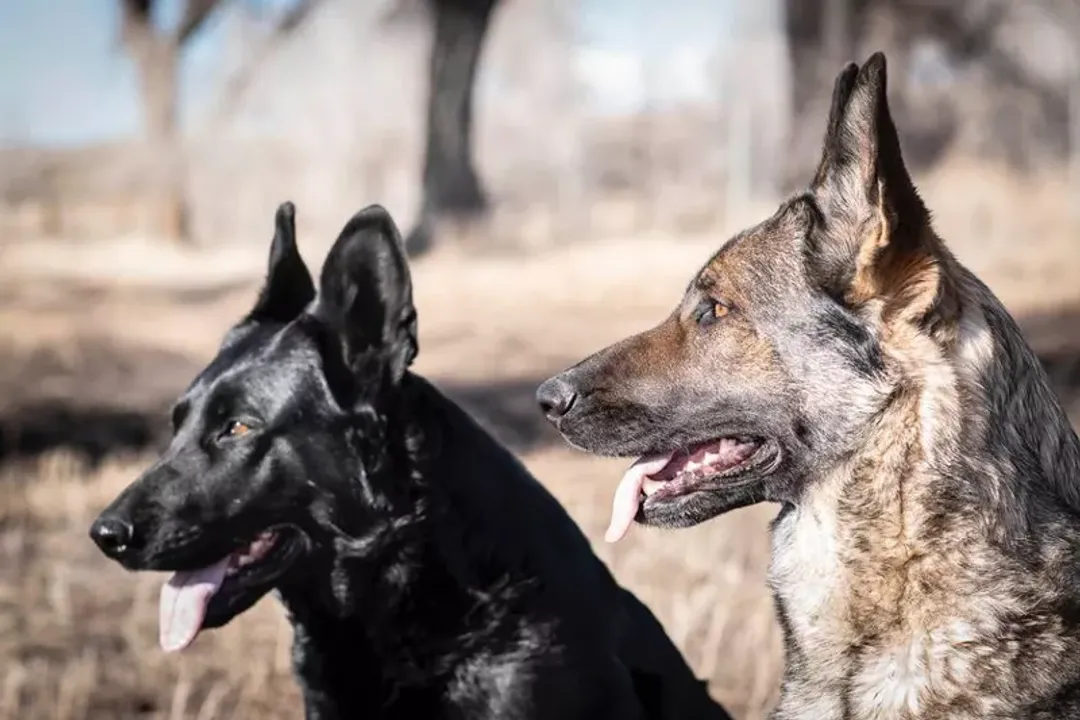
Understanding the genetics of coat color provides the clearest picture of why certain colors appear when they do. The sable pattern is determined by the Agouti gene, which dictates how pigment is distributed along the hair shaft.
For the black sable to manifest, the dog must inherit the necessary alleles that allow the sable pattern to express itself, while the overall tipping or overlay remains dark enough to be classified as "black" sable rather than a lighter shade. The complexity arises because solid black masks the sable pattern entirely. Solid black coloration in German Shepherds is typically caused by a dominant allele at the E locus, often designated as (dominant black). This dominant allele essentially tells the dog’s coat to produce black pigment across the entire body, overriding the instructions from the Agouti gene that would normally create the banded, sable look.
When a breeder is aiming for a litter of solid black puppies, they are selecting for dogs that carry this dominant gene. Because this gene is dominant, only one copy is needed for the dog to appear solid black. If a breeder is working strictly with lines proven to carry this dominant allele, the chances of producing a black sable (which requires the Agouti gene to be active) are significantly reduced in that specific breeding pair, even if the parents appear black.
Consider this simplified genetic representation of what might be happening in breeding programs that affect the prevalence of black sable:
| Desired Outcome | Key Gene Expression Required | Effect on Black Sable |
|---|---|---|
| Black Sable | Active Agouti gene + Black tipping | True black sable expresses |
| Solid Black | Dominant allele at E Locus | Masks Agouti gene expression |
| Black & Tan | Recessive allele at E Locus + A locus expression | Standard pattern appears |
| Light Sable | Active Agouti gene + Lighter tipping | Not classified as "black" sable |
This table illustrates that if a breeder focuses heavily on solid black lines, they are actively selecting against the necessary genetic background that allows the sable pattern to show through the black pigment. This selection pressure inherently makes finding a true, genetically verified black sable puppy less straightforward than finding a standard black and tan or even a solid black one, contributing to the perception of rarity.

# Perceived Scarcity
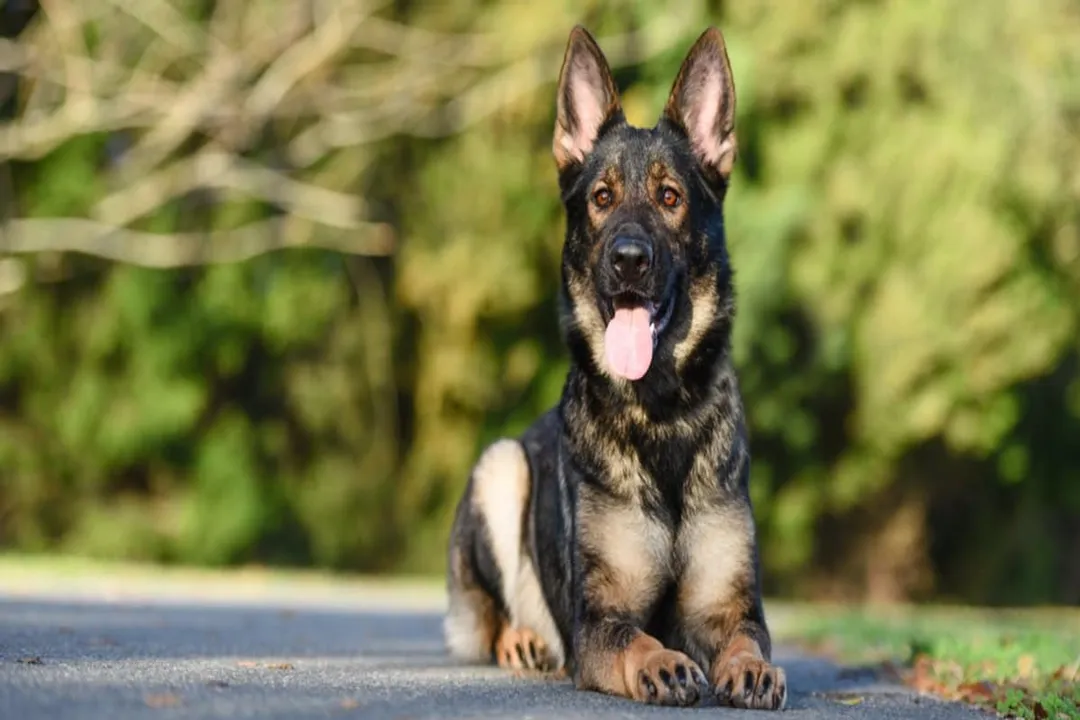
The perception that black sable German Shepherds are rare stems from a few converging factors, most of which relate back to breeding goals and visual misidentification.
Historically, the sable pattern itself is significant. In fact, some historical accounts suggest that sable was the original coat color for the German Shepherd breed, predating the current popular black and tan. However, over time, breeding preferences shifted, often favoring the high-contrast black and tan or, more recently, the solid black.
When discussing rarity, it is important to separate the overall prevalence of the sable pattern from the specific black sable variant. Standard sable dogs are certainly not rare. However, the specific combination that results in a dog appearing almost entirely black but having that underlying sable banding can be less frequently produced if breeders are selecting aggressively for the completely solid phenotype. A breeder prioritizing deep, consistent black pigment across all hair shafts might inadvertently reduce the frequency of pups whose hair shafts show the complex, multi-pigmented banding characteristic of sable.
Furthermore, in the general public’s eye, any non-standard color that isn't the common black and tan can be lumped into a "rare" category. If a potential owner sees a black dog and assumes it is solid black, and then later encounters a true black sable, they might incorrectly believe the solid black dog they saw first was actually a black sable, muddying the waters of how common each presentation truly is. The reality is that the solid black GSD is also not an everyday sight compared to the standard pattern, leading to collective confusion about which non-standard color is truly less prevalent.
# Breeder Selection Focus
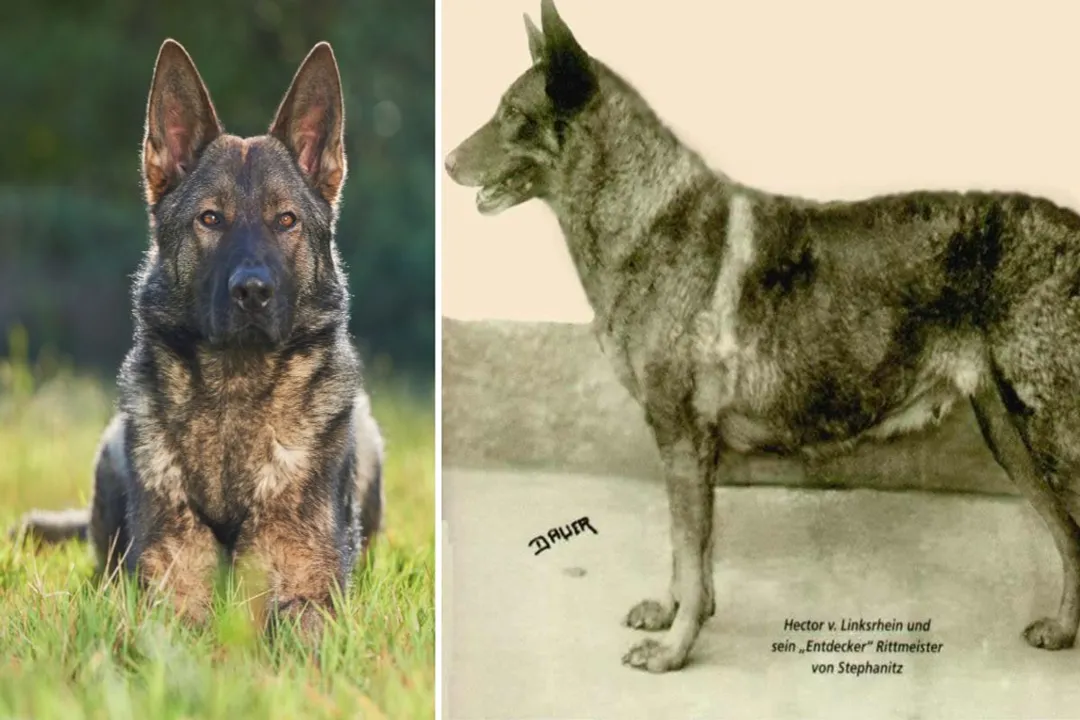
The choices breeders make directly influence the color makeup of their puppies. A kennel that focuses strictly on conformation showing or Schutzhund might have a specific color preference that aligns with their goals, which may or may not include a high volume of sable dogs.
If a reputable breeder specializes in producing extremely dark, uniform solid black dogs—perhaps due to a preference for how that color presents in the show ring or working trials—they will be utilizing breeding pairs known to carry the dominant black gene (). This focus naturally leads to a lower yield of sable pups in their litters because the allele masks the sable expression. Conversely, a breeder dedicated to preserving the original sable lineage will aim for dogs whose Agouti gene is fully expressed, resulting in a higher percentage of sable puppies, which may include the darker black sable variations.
Prospective owners looking specifically for a black sable puppy need to look beyond surface color descriptions. An ethical breeder who understands coat genetics will be able to explain the lineage and clearly identify a black sable puppy versus a solid black one. They should be able to confirm the presence of the sable banding upon closer inspection of the hair shaft, even if the dog is extremely dark. If you are seeking this specific variation, focusing your search on breeders who actively discuss and promote sable genetics, rather than just "dark" or "solid" colors, will yield better results. This intentional selection process by reputable guardians of the breed standard creates localized rarity based on breeding trends, rather than an inherent genetic impossibility.

# Visual Confirmation Tips
Distinguishing between a solid black and a black sable often requires examining the dog in bright, direct light and getting close to the fur, especially on the back, tail, and chest areas.
- Examine the Guard Hairs: Look closely at the individual guard hairs along the back ridge. A solid black dog will have hairs that are uniformly black from the skin out.
- Look for Tipping: A true black sable will show bands of lighter color—perhaps gray, brown, or lighter black—interspersed with the dominant black tipping on the same hair shaft. This banding might be subtle, making the dog appear black at first glance, but the variation will be visible under scrutiny.
- Check the Undercoat: Often, the undercoat of a black sable will be visibly lighter or tinged with gray/tan compared to the deep, almost bluish-black of a solid black dog's undercoat.
This close inspection is key, as the difference is genetic expression, not just a slight shade variation. The visual outcome is phenotype, but the underlying genotype dictates whether the dog is truly black sable or solid black. For an enthusiast wanting the historically significant sable pattern, even in its darkest iteration, verifying the banding is essential to confirm they have acquired a true black sable rather than a solid black dog.
Ultimately, while the black sable German Shepherd is not genetically exotic or impossible to produce—given that sable was foundational to the breed—its perceived rarity is high due to two main reasons: the visual confusion with the equally less common solid black dog, and the tendency of many breeders to select for the easily identifiable, dominant solid black expression, thereby reducing the frequency of the banded sable pattern in their specific lines. They are less common than the standard, but perhaps not as vanishingly rare as some casual observers suggest, provided one knows what specific genetic trait to look for.
Related Questions
#Citations
Are black German Shepherd rare? : r/germanshepherds - Reddit
Why Black German Shepherds Are Rare but Worth the Wait
Characteristics and Rarity of Black German Shepherds - Facebook
Sable Black German Shepherd - Dogs - A-Z Animals
Black German Shepherd Facts: Traits, Care, and Training Insights
Are black German Shepherds rare? - Quora
Sable German Shepherds Were the Originals And Are Still Beloved ...
German Shepherds - Spotted Fever Ranch