Is wet or dry food better for German Shepherds?

Deciding on the right diet for a German Shepherd involves balancing convenience, cost, palatability, and the breed's unique physiological demands, like their predisposition toward joint issues and their high energy levels. [2][5] The discussion often centers on the merits of commercially available dry kibble versus canned or fresh wet options. Both forms have distinct advantages and disadvantages that conscientious owners should weigh carefully before settling on a feeding routine. [9]
# Dry Kibble

Dry dog food, often referred to as kibble, is the most common type of pet food available globally due to several practical factors. [9] A major benefit of dry food is its shelf stability and relative affordability when compared ounce for ounce against wet food. [9] For a large, active breed like the German Shepherd, the quantity of food required daily can be substantial, making cost a significant consideration for many households. [2]
Kibble’s hard, abrasive texture provides a mechanical cleaning action that can help scrape plaque and tartar off the dog's teeth as they chew. [9] While not a replacement for regular brushing, this scrubbing action is often cited as a slight advantage kibble holds over softer diets. [9] Furthermore, dry food is incredibly convenient; it's easy to measure, store, and transport, which simplifies feeding schedules whether at home or on the road. [9]
However, the primary drawback of dry food is its low moisture content, usually sitting around 10%. [9] Since dogs often do not drink enough water to fully compensate for this deficit, a long-term diet reliant solely on kibble can sometimes lead to chronic, mild dehydration, which can strain the kidneys over time. [9] Additionally, the high heat and pressure extrusion process used to create kibble can sometimes degrade certain heat-sensitive nutrients, although reputable manufacturers account for this in their formulations. [6]
# Wet Food Benefits
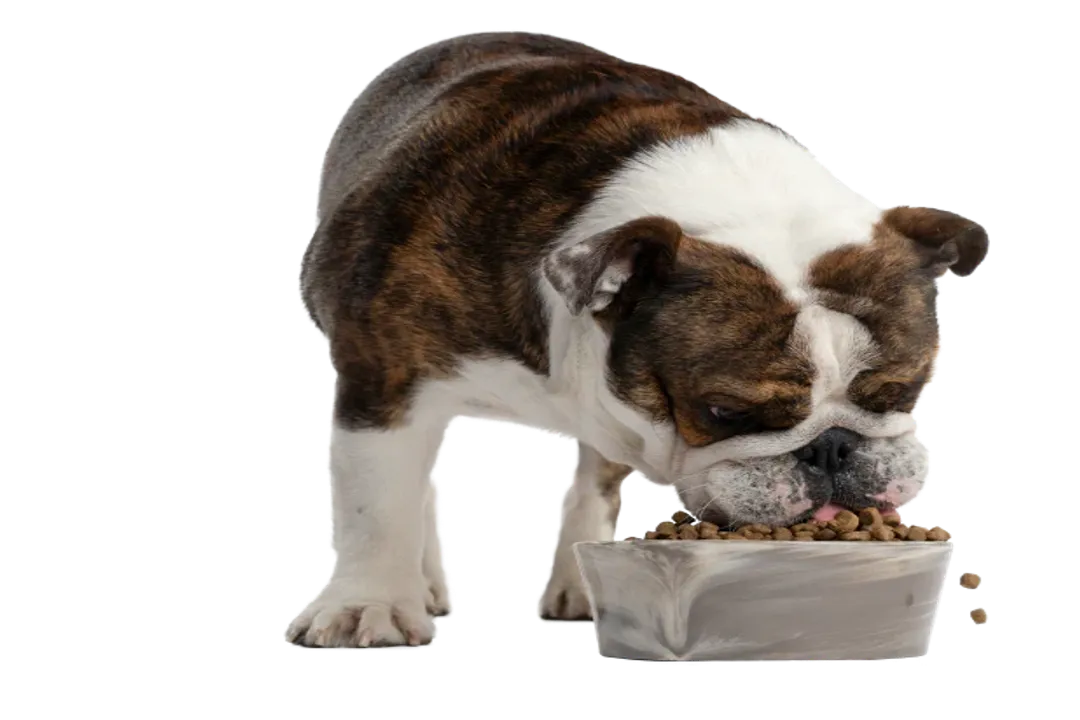
Wet dog food, which includes canned, pouched, or fresh refrigerated options, stands in stark contrast to kibble regarding hydration. [9] Typically containing between 70% and 85% moisture, feeding wet food significantly boosts a dog’s daily water intake directly through their meal. [9] This high moisture content is excellent for maintaining urinary tract health and ensuring overall hydration, especially for GSDs that might be reluctant drinkers or live in hotter climates. [9]
Palatability is another area where wet food generally excels. [3] The strong aroma and softer texture of wet food often entice even picky eaters, which can be helpful when trying to ensure a high-energy dog like a German Shepherd consumes adequate calories for their activity level. [3] For older dogs or those experiencing dental pain, the soft consistency makes chewing significantly easier than hard kibble. [9] Some premium wet food lines even approach a near-raw nutritional profile, focusing on whole, recognizable ingredients that owners feel more comfortable providing. [6]
The downsides of wet food largely revolve around logistics and expense. Wet food is considerably more expensive per calorie or per pound than dry food. [9] When you factor in the water content, you are paying much more for the same amount of actual nutrition when comparing the two formats on a weight basis. [9] Once opened, wet food must be refrigerated and used quickly, creating more potential for food waste if the dog does not finish the portion. [3] Finally, because it is soft, wet food offers no mechanical benefit to dental health; in fact, it can sometimes stick to teeth, potentially accelerating plaque buildup if owners do not supplement with regular dental care. [9]
# Breed Specific Nutrition

German Shepherds are a large, muscular, and intelligent breed, demanding a diet that supports their active structure and predisposition toward certain health concerns. [2] Regardless of whether the food is wet or dry, the composition must be high-quality. [6]
Look for diets where a named meat source—such as chicken, lamb, or fish—is listed as the first ingredient, indicating a high protein foundation. [2][5] Protein is essential for maintaining the strong muscle mass characteristic of the breed. [2] Fats, particularly sources of Omega fatty acids, are crucial for coat health—a notoriously dense area for GSDs—and for providing sustained energy. [2]
A key area for owners of this breed is joint support. Because GSDs are prone to hip and elbow dysplasia, selecting food that contains beneficial supplements like glucosamine and chondroitin is highly recommended, whether those supplements are in the kibble or added separately. [5] Some high-quality dry foods specifically formulate for large breeds already incorporate these components at therapeutic levels. [5]
# Calorie Density Comparison
To put the moisture difference into perspective, consider this calculation: a typical high-quality dry kibble might contain about 10% moisture, meaning 90% is dry matter (protein, fat, carbs, minerals). Conversely, a standard canned food might have 75% moisture, meaning only 25% is dry matter. [9]
If you feed 1 cup of kibble weighing 400 grams, you are providing about 360 grams of nutrients. If you feed 1 cup of wet food weighing 370 grams, you are providing only about 92.5 grams of nutrients. This difference explains why you must feed significantly larger volumes of wet food to meet the same caloric needs as a small portion of kibble. Understanding this density helps owners accurately gauge how much they are actually feeding, preventing accidental over- or underfeeding during transitions between the two types. [9]
# Mixing and Hydration
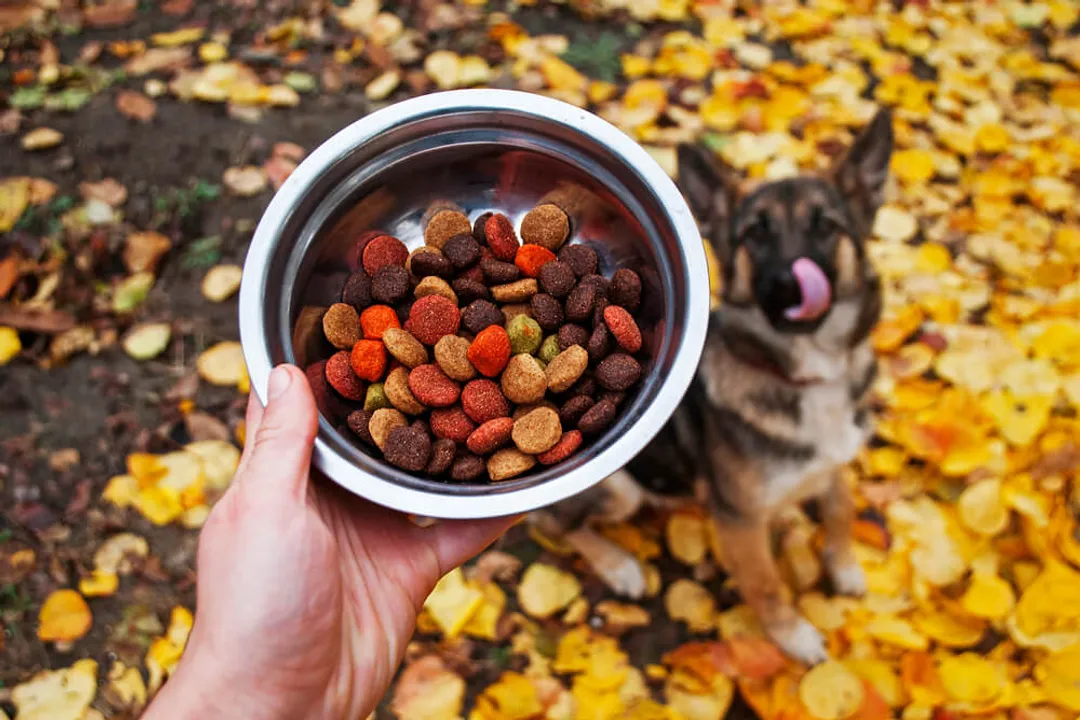
Many owners find a middle ground by utilizing a hybrid feeding approach. [7] This often involves adding a small amount of warm water or low-sodium broth to dry kibble immediately before serving. [7] This technique instantly addresses the low moisture issue of dry food without requiring a full switch to expensive wet food, making the meal more palatable and easier to digest. [7] Some forum discussions suggest that adding warm liquid helps release the food’s aroma, further encouraging consumption. [7]
If you choose to wet the kibble, use an amount of liquid that the dog fully consumes within minutes, ensuring you account for that added moisture when monitoring their water intake elsewhere. [7] This method offers the convenience and cost-effectiveness of kibble while mimicking the improved hydration profile of wet food. [7] For puppies, particularly GSD mixes that need dense calories but might have sensitive stomachs, adding water to soften the kibble can also aid digestion during the transition to adult food. [8]

# Ingredient Quality Over Form
Ultimately, the debate between wet and dry food can sometimes obscure the most critical factor: the quality of the ingredients. [6] A poorly formulated, grain-heavy dry food will be inferior to a well-balanced, high-meat-content wet food, and vice versa. [6] The best choice aligns with the German Shepherd's specific life stage—puppy, adult, or senior—and any existing health conditions. [2]
When evaluating any commercial food, whether wet or dry, look for transparency regarding sourcing and processing methods. [6] Foods made with whole ingredients and clear definitions of meat sources generally offer better nutritional integrity. [6] For example, while both types can contain beneficial ingredients, checking the guaranteed analysis for crude protein and fat percentages will give you a concrete comparison point based on the dry matter basis, neutralizing the moisture difference. [2]
# Establishing a Feeding Checklist
Transitioning your GSD from one type of food to another, or even just adding water to kibble, requires a measured approach to prevent gastrointestinal upset. This breed can sometimes have sensitive digestive systems, so sudden diet changes can lead to diarrhea or vomiting. [4]
Here is a simple, phased approach to ensure a smooth change:
- Assess Current Intake: Accurately weigh the dog's current food portion and note its type (wet/dry). [2]
- Introduce New Food Slowly: For 7 to 10 days, gradually swap the old food for the new food. [9]
- Days 1-3: 75% Old Food, 25% New Food.
- Days 4-6: 50% Old Food, 50% New Food.
- Days 7-9: 25% Old Food, 75% New Food.
- Day 10: 100% New Food.
- Monitor Stool Quality: If the stool becomes too soft during any phase, revert to the previous ratio for a few days before trying to increase the new food again. [4]
- Adjust Volume Based on Body Condition: Once fully transitioned, monitor your dog's weight and muscle tone over the next month. If they are losing weight, increase the volume slightly; if they are gaining excess fat, reduce the volume, remembering that wet food requires a larger volume to achieve the same calories as kibble. [2]
The consensus among many experienced owners is that feeding based purely on the texture—wet versus dry—is less important than feeding a diet that consistently meets the high standards required for a large, working breed like the German Shepherd. [5]
Related Questions
#Citations
I have a german shepherd and owner staying at my house. Is it cruel ...
Best Dog Food for German Shepherd - CHARM Pet Food
What is the Best Wet Dog Food for German Shepherds? Elevate ...
Is dry food or wet food better for a GSD? - Facebook
Best Dog Food for German Shepherds | BaxterBoo
What is the Best Dog Food for German Shepherds | Open Farm
Should I wet my dog's kibble? - German Shepherds Forum
What are some recommended wet and dry dog food options for a ...
Dry vs. Wet Dog Food, or Both? - PetMD