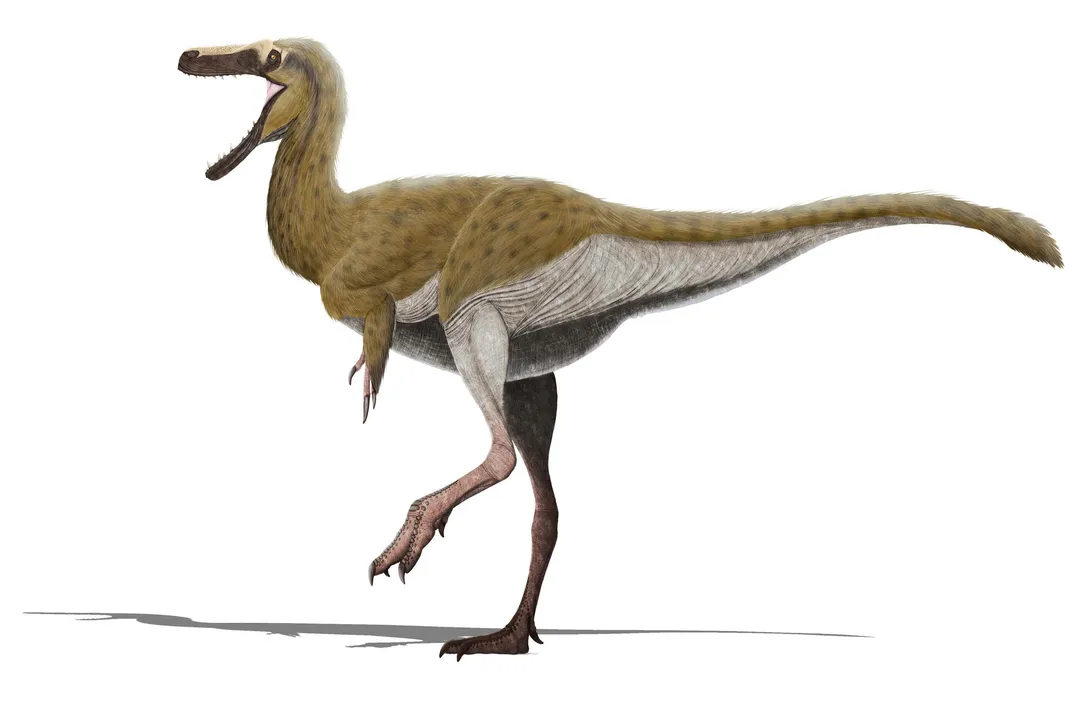
What does the long, thin snout structure of Xiongguanlong suggest about its primary feeding strategy?
It likely did not rely on the extreme compressive, bone-shattering power of later tyrannosaurs.
The mechanics of skeletal structures strongly correlate with feeding function. A long, thin snout, like that possessed by *Xiongguanlong*, is generally structurally inferior at withstanding extreme compressive forces compared to the short, deep, and robust snouts found in later tyrannosaurs built for crushing bone. This structural limitation implies that *Xiongguanlong*'s feeding strategy was geared towards securing smaller, more agile prey, possibly including smaller dinosaurs, early mammals, or fish, rather than the heavy bone-shattering diet characteristic of Cretaceous giants. This indicates an early ecological specialization distinct from the later, heavy-duty apex predator role.