What characterizes the woodlouse growth process known as molting compared to most arthropods?
Answer
Shedding the posterior half first, then the anterior half
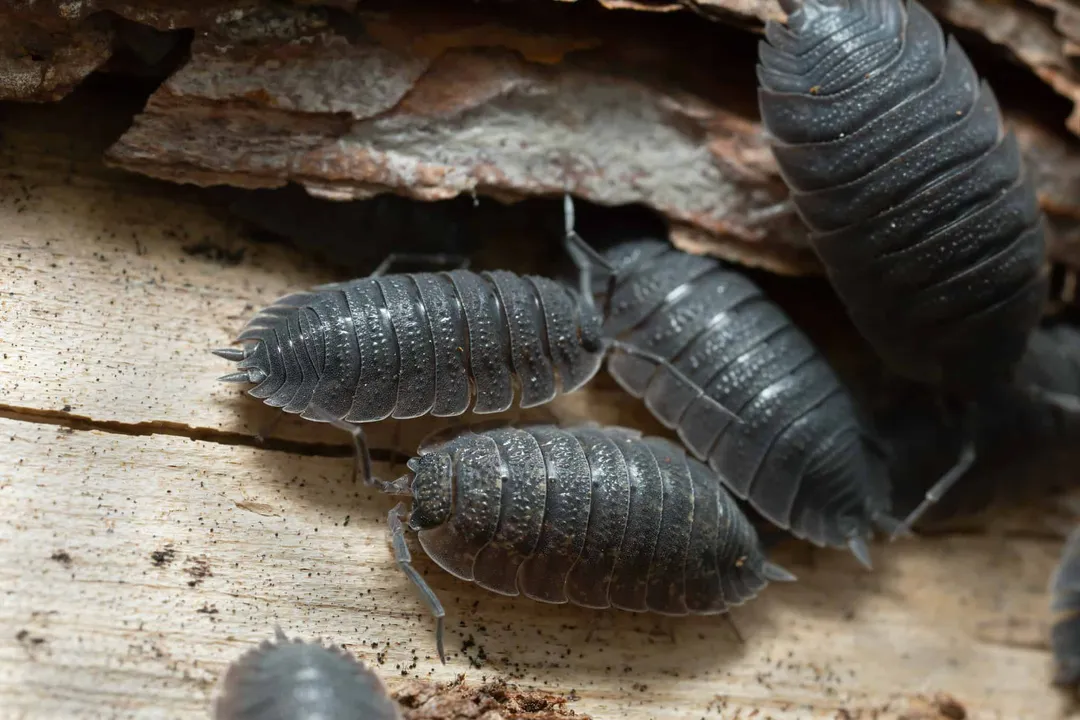
The molting process in woodlice is distinct and staggered, differing significantly from the single-stage shedding seen in many other arthropods. Woodlice utilize a two-stage process to maintain partial protection and mobility during growth. Initially, only the posterior half of the body sheds its old exoskeleton. Following a delay of approximately two to three days, the anterior half, which includes the head and the front segments, is then shed. This staggered approach ensures that the creature is never completely vulnerable; they retain some armor and the ability to move while the other half of their body is protected or recovering from the process.
Related Questions
What major class do woodlice belong to, despite being called "roly-poly"?How many distinct segments compose the woodlouse thorax, also known as the pereon?What specialized appendages on the woodlouse abdomen house the trachea-like lungs for terrestrial respiration?What characterizes the woodlouse growth process known as molting compared to most arthropods?What is the primary theorized function of the shorter pair of antennae on the woodlouse head?What specific defensive action allows species like pillbugs (Armadillidiidae) to defend themselves?What copper-based pigment is utilized by woodlice for oxygen transport in their blood?What is the term for offspring that hatch with only six pairs of legs before their first molt?What texture characterizes the exoskeleton of the Common Rough Woodlouse (*Porcellio scaber*)?What technical term describes the region formed when the first thoracic segment fuses tightly to the head structure?