What is the primary theorized function of the shorter pair of antennae on the woodlouse head?
Answer
Chemoreceptors for sensing smells
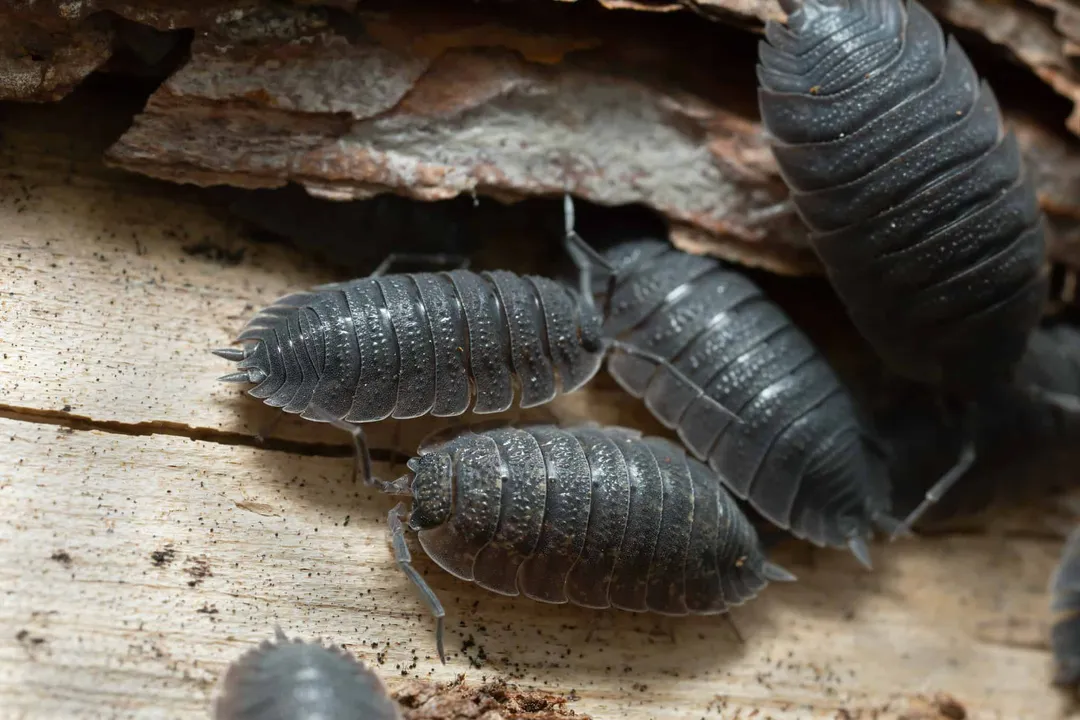
Woodlice possess two pairs of antennae on their head structure, each specialized for different sensory inputs necessary for navigating their dark, damp habitats. The shorter pair is primarily theorized to function as chemoreceptors, meaning their role is focused on detecting chemical signals in the environment, essentially enabling the woodlouse to sense smells. In contrast, the second, longer pair of antennae is equipped with fine, hair-like structures called setae, which are responsible for tactile sensation, helping the creature perceive physical contact and environmental cues through touch.
Related Questions
What major class do woodlice belong to, despite being called "roly-poly"?How many distinct segments compose the woodlouse thorax, also known as the pereon?What specialized appendages on the woodlouse abdomen house the trachea-like lungs for terrestrial respiration?What characterizes the woodlouse growth process known as molting compared to most arthropods?What is the primary theorized function of the shorter pair of antennae on the woodlouse head?What specific defensive action allows species like pillbugs (Armadillidiidae) to defend themselves?What copper-based pigment is utilized by woodlice for oxygen transport in their blood?What is the term for offspring that hatch with only six pairs of legs before their first molt?What texture characterizes the exoskeleton of the Common Rough Woodlouse (*Porcellio scaber*)?What technical term describes the region formed when the first thoracic segment fuses tightly to the head structure?