What behavioral connection between white marlin and deep ocean features is suggested by the focus on the flying gurnard?
They actively seek areas where seamounts and canyons attract life from benthic zones
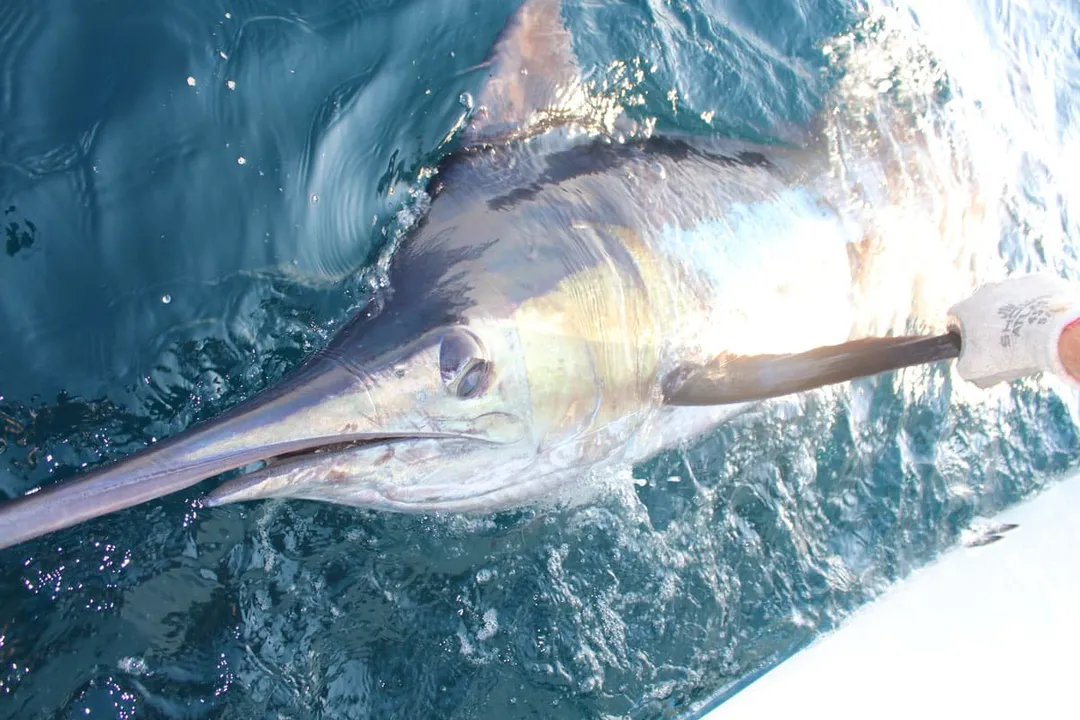
The importance observed in the stomach contents during the South Atlantic study—particularly the high incidence of consuming prey like the flying gurnard (*Dactylopterus volitans*), a species exhibiting brephoepipelagic characteristics (meaning its young are coastal/bottom-dwelling before adults become pelagic)—provides a strong indicator of specialized foraging behavior. This dietary preference implies that white marlin are not merely chasing open-ocean aggregations. Instead, it suggests a strategic targeting of underwater geological formations such as seamounts and deep ocean canyons. These structures create unique upwelling zones and habitat interfaces that draw life from shallower or benthic environments into the water column, making these areas primary hunting grounds for the marlin, linking their location directly to the deep ocean structure.