How long do white marlins live?
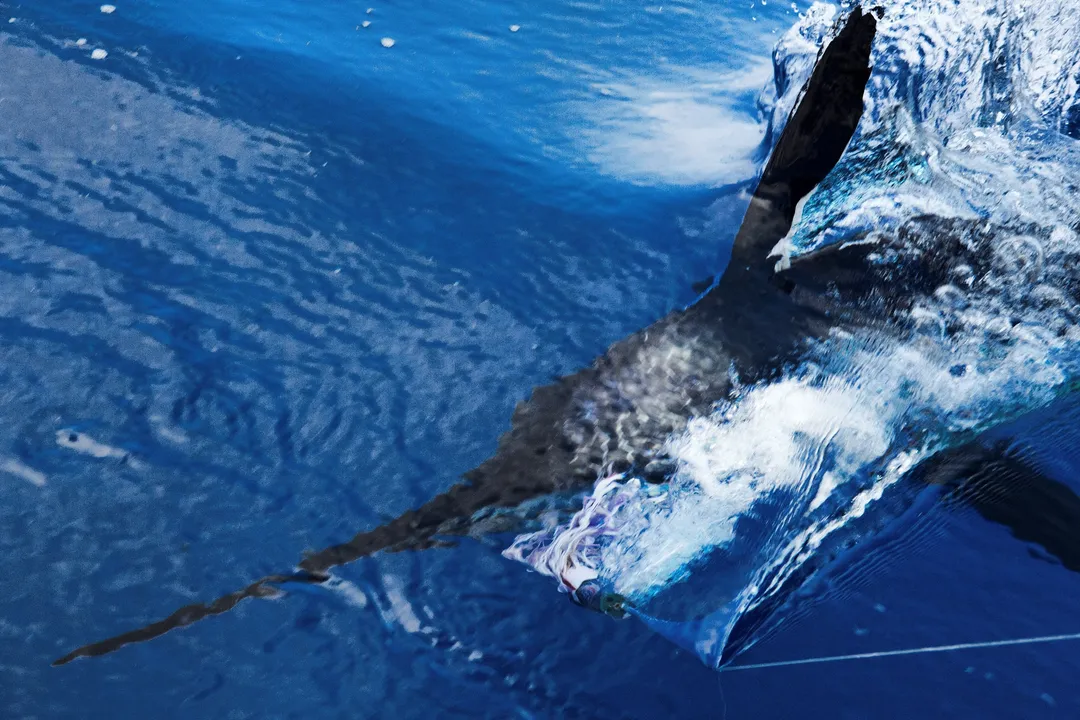
The shimmering, fast-moving white marlin, Tetrapturus albidus, cuts a magnificent profile in the offshore waters, making it a highly sought-after game fish. One of the most persistent questions surrounding this species relates to its lifespan—how many years does this sleek predator actually spend traversing the ocean currents? Determining the precise age of pelagic fish like the white marlin presents inherent scientific challenges, often leading to a range of estimates rather than a single definitive number. [9]
# Age Estimates

Biologists utilize several methods to gauge the longevity of white marlin, often relying on growth rings found in hard structures like the otoliths (ear stones) or fin rays, similar to how tree rings tell an age story. [9] While exact figures can vary slightly depending on the research population and methodology applied, the general consensus points toward a life expectancy that spans into the mid-to-late teens for the species. [2][6] Some scientific literature suggests that white marlin can potentially live for 15 to 20 years. [3][5] This contrasts somewhat with other, larger billfish; for instance, the closely related blue marlin is often cited as having a potentially longer lifespan, sometimes exceeding 25 or even 30 years in certain studies, suggesting that the white marlin is comparatively shorter-lived among its billfish relatives. [4][6]
Considering the rapid initial growth seen in many pelagic species, it is fascinating to consider that a fish measuring perhaps 70 inches (a typical size for a mature catch) might only be entering its prime years if it falls on the longer end of that 15-to-20-year spectrum. [2][8] The sheer speed and energy required to maintain their lifestyle likely place a significant metabolic toll, potentially capping their maximum age below that of slower, deeper-dwelling ocean inhabitants. [9]
# Size Correlation

For those who encounter white marlin on a regular basis, size is often the only visible proxy for age, though it is an imperfect one. An adult white marlin typically weighs between 50 and 150 pounds, with documented catches reaching over 180 pounds. [8] The maximum recorded weight is frequently cited around 180 pounds. [2] This size distinction is critical because juveniles grow very quickly, often reaching considerable lengths within their first couple of years. [3] Therefore, a large specimen is not necessarily an ancient one; it could simply be a particularly fast-growing individual that has spent a decade or so growing rapidly, rather than one that has reached its biological maximum age of, say, 18 years. [4] Researchers often try to correlate established length-at-age data—where the first few years show dramatic increases in size—with the slower growth increments observed in older fish to refine these longevity estimates. [9]
# Environmental Pressures
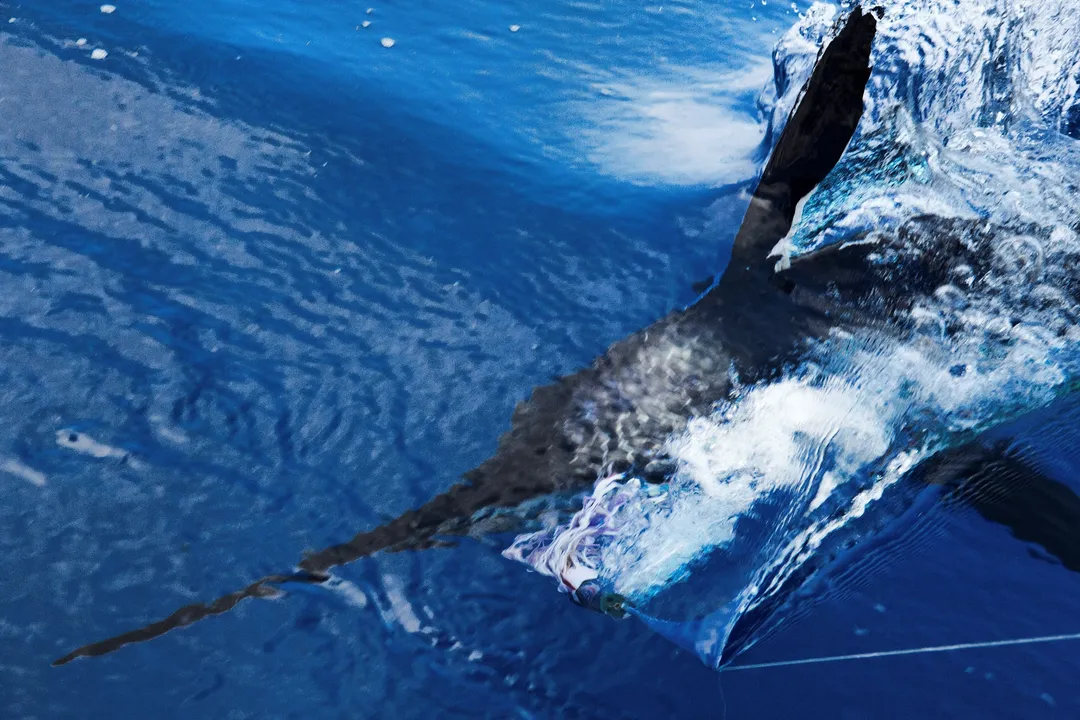
The theoretical maximum lifespan noted in biological studies is frequently different from the actual average lifespan experienced by the population in the wild. This distinction is where external factors, including natural predation and human activity, play a large role in shortening the lives of these animals. [3] White marlin inhabit the open ocean, often favoring warm tropical and subtropical waters, sometimes moving into temperate areas during warmer months. [1][7] While large sharks might prey on smaller individuals, the primary factor influencing how close a white marlin gets to its maximum potential age is fishing pressure. [3]
It is a sobering thought that for every white marlin estimated to have lived for, say, sixteen years in a stable environment, countless others were likely harvested commercially or recreationally before they ever reached five years of age. [2] The fishing statistics published by bodies like the North Carolina Division of Marine Fisheries often track catch rates and sizes, which indirectly inform population health and potential survival curves. [3] Any mortality event that occurs before reproductive maturity, or before the fish enters its later, slower-growing years, drastically impacts the population's overall structure and age distribution.
# Aging Challenges
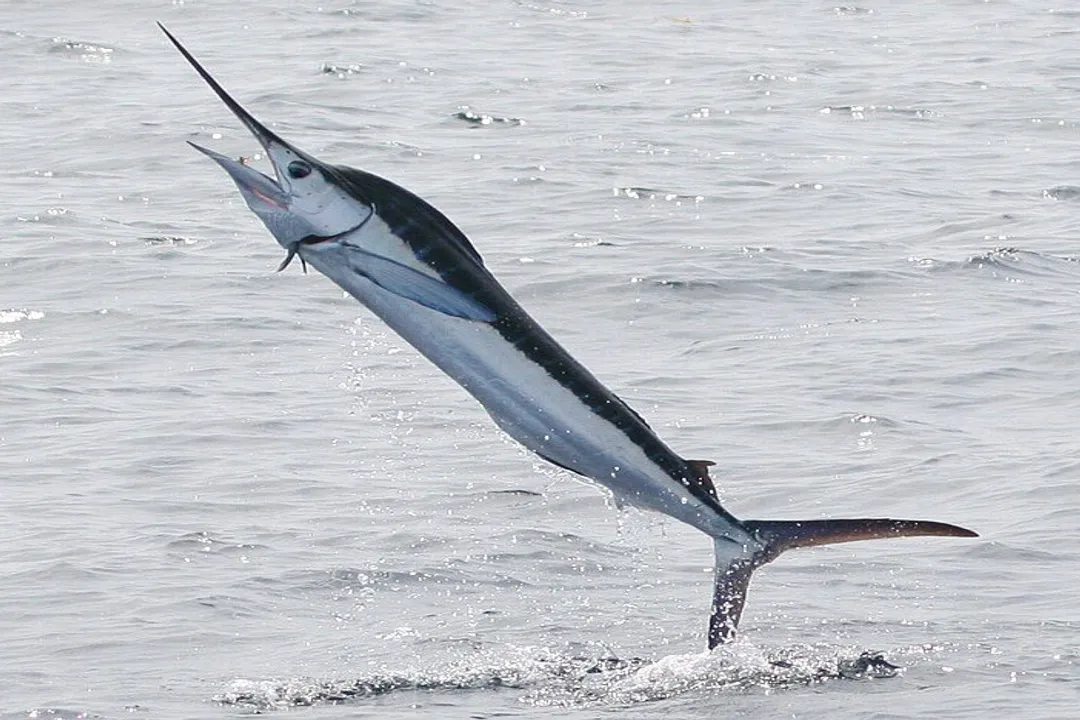
The scientific community often faces an interesting hurdle when aging billfish: the structures used for aging are not always as clear or reliable as those of bottom-dwelling fish. [9] While otoliths are considered the gold standard for many species, extracting and interpreting them from large, highly migratory fish can be technically demanding, and sometimes results are cross-validated using fin ray sections, which can also degrade over time. [9] A subtle point often overlooked is the difference between the maximum recorded age and the average age of fish currently being caught. If conservation efforts have been successful in recent decades, the average age of the remaining population might be trending higher than historical averages, but pinpointing this shift requires continuous, detailed aging programs. [1] The difficulty in obtaining large samples of truly old specimens means that the upper limits of their potential lifespan remain slightly fuzzy, relying heavily on the predictive models built from younger fish growth data. [6]
If you consider the fact that a fish needs to survive at least 3 to 5 years just to reach sexual maturity, realizing that a significant portion of the population is removed before this milestone underscores the vulnerability built into their life history. [2][4] Understanding this staggered timeline—rapid growth early, slow maturity, and a potential two-decade lifespan—is key to managing their populations effectively. A fishery management plan that only focuses on the maximum weight might inadvertently ignore the critical loss of reproductive potential occurring in the younger age classes. [3]

# Catch and Release Ethics
For recreational anglers, the question of lifespan directly influences catch-and-release ethics. If a fish is estimated to be nearing the upper limit of its life expectancy—perhaps 15 years old—it has likely already contributed significantly to the gene pool, and the stress of a prolonged fight, even if released alive, carries a higher relative risk than if the fish were only 3 or 4 years old. [8] Conversely, releasing a juvenile fish that has only lived a quarter of its potential life is a clear investment in the future reproductive success of the stock. [1]
This leads to a practical consideration: when fighting a white marlin, understanding that you are dealing with a relatively long-lived species should translate into meticulous handling protocols aimed at minimizing air exposure and maximizing its chances of a quick recovery. [8] Since the species is sometimes listed or managed as threatened or endangered in certain zones, ensuring that those individuals do get to realize their potential 15 to 20 years is the direct responsibility of the angler engaging with the species today. [3] The health of the entire species hinges on the survival rate of those who escape the hook, allowing them to continue contributing to the older, established breeding segment of the population.
Related Questions
#Citations
White marlin - Wikipedia
White Marlin - The Billfish Foundation
White Marlin | NC DEQ
SPECIES PROFILE: White Marlin | PELAGIC Fishing Gear
White marlin Facts for Kids
White marlin | fish - Britannica
Marlin in Central America
White Marlin - BigWater Adventures
Physiological stress and post-release mortality of white marlin ...