White-Tailed Eagle Diet
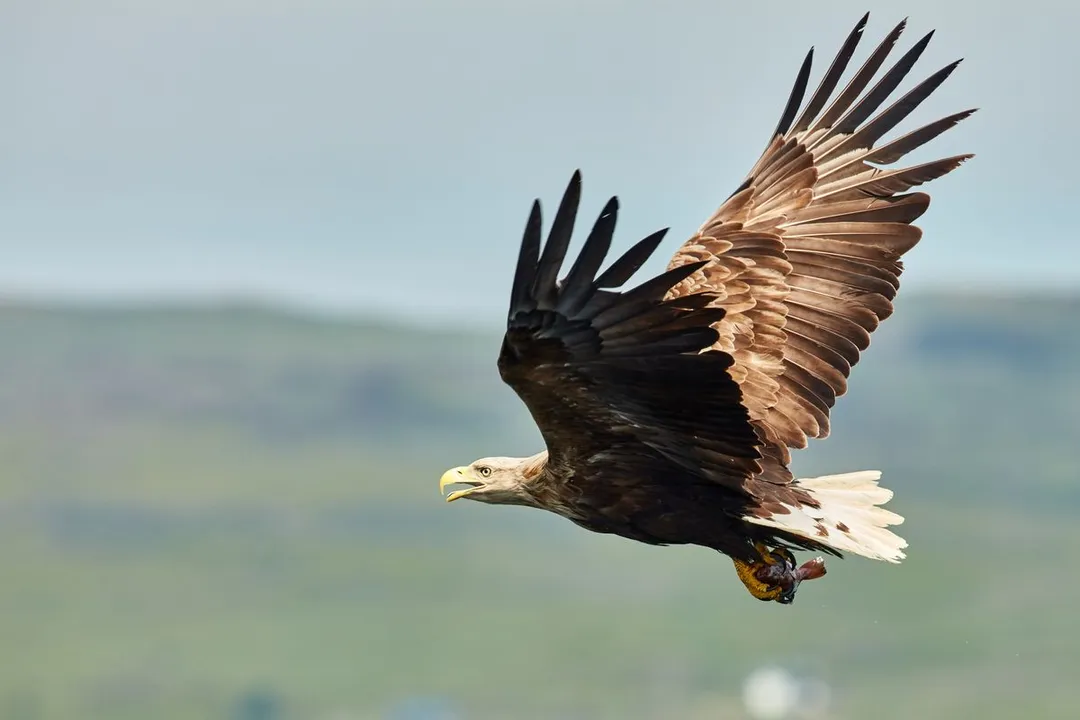
The diet of the White-Tailed Eagle, also known as the Sea Eagle, reflects its status as a highly adaptable and opportunistic apex predator across its range. [3][7] Rather than adhering to a narrow menu, these magnificent birds adjust their intake based on seasonal availability, location, and the relative ease of securing a meal. [4] This flexibility is a key factor in their survival and successful reintroduction in areas like Britain. [9]
# Core Prey

Fish often form the foundation of the White-Tailed Eagle’s diet, especially for those populations living near coasts, large lochs, or significant river systems. [7] Their proficiency as fishers allows them to capitalize on aquatic resources. [1] Specific prey identified in various locales includes species such as seabass, flatfish, salmon, and cod. [2]
However, relying solely on aquatic sources overlooks the eagle’s broader hunting strategy. While fish may be the staple, they are highly effective hunters of avian life as well. [1][8] Waterfowl, including various species of ducks and geese, are frequently targeted. [2] Furthermore, nesting seabirds and wading birds can become significant components of their diet, particularly when breeding colonies are accessible. [8]
# Terrestrial Food
The eagle’s repertoire extends significantly onto land, demonstrating its willingness to hunt terrestrial fauna when the opportunity arises. [1][7] Mammals feature prominently in this category. [8] Rabbits are a common and vital food source in many areas. [4][2] Squirrels are also noted as prey items. [1][8]
For a large raptor, taking larger terrestrial prey is more energy-intensive but provides substantial caloric return. Reports confirm that White-Tailed Eagles are capable of taking young mammals, such as deer fawns, showing a willingness to engage with prey larger than what might be typically associated with a coastal hunter. [2] This adaptability means that a local population's diet can pivot entirely based on the dominant local fauna, whether that is nesting puffins on a remote island or rabbits in an inland woodland margin. [4]
# Scavenging Habits
A crucial, though less glamorous, element of the White-Tailed Eagle’s feeding behavior is scavenging. [3][6] Carrion—dead animals—provides a necessary fallback when active hunting proves difficult or yields poor results. [8] This scavenging behavior often becomes more pronounced as seasons change. [4]
During the colder months, when fish stocks may be less accessible due to rougher seas or ice cover, eagles frequently turn to carcass remains. [4] For example, in some Scottish regions, finding the remains of sheep provides necessary sustenance through winter. [4] This scavenging role positions the eagle as a significant natural cleaner within the ecosystem, consuming deceased animals that might otherwise decompose slowly or attract less desirable scavengers. [9]
# Feeding Rates
Understanding how often these large birds need to eat offers insight into their hunting pressure. An adult White-Tailed Eagle is estimated to require approximately 500 grams of food per day to maintain its condition. [5] This figure helps contextualize their hunting success. Given the energy expenditure required for flight and the challenges of capturing fast-moving fish or alert mammals, it is unlikely they achieve this daily target with precise consistency.
A more realistic pattern might involve securing a substantial meal, perhaps large enough to cover two or three days’ worth of caloric needs, followed by a day or two of reduced feeding or relying on stored reserves or scavenging. [5] The demands are certainly different for the younger generation; a growing juvenile eagle requires more consistent, daily provisioning to meet its rapid development needs before it successfully fledges and becomes independent. [5]
# Contextual Diet Shifts
It is instructive to compare the dietary components to understand the eagle's opportunistic nature. While sources consistently list fish, birds, mammals, and carrion, [1][2][3][6][7] the proportion shifts drastically based on geography and season.
We can observe a distinct difference in ecological pressures:
| Prey Category | High Availability Environment | Low Availability Environment |
|---|---|---|
| Fish | Coastal cliffs, estuaries, large freshwater bodies [2] | Inland moorland, dry forested areas |
| Seabirds | Islands during the nesting season [8] | Winter months offshore |
| Carrion | Winter, after agricultural culling or natural die-off (e.g., sheep) [4] | Mid-summer abundance |
| Small Mammals | Areas bordering woodland and open grassland (rabbits, squirrels) [4][8] | Open sea or tundra environments |
This variability suggests that the "White-Tailed Eagle Diet" is less a fixed menu and more a real-time inventory dictated by the immediate surrounding ecosystem's most easily obtainable calories. [4] For instance, an eagle pair breeding near a salmon-spawning river will likely center its diet around fish during late summer and autumn runs, whereas a pair residing inland where rabbit populations are dense may exhibit a higher percentage of terrestrial predation year-round. [4][8] The ability to switch focus—from hunting active prey to capitalizing on easy carrion—is what defines their long-term success as a species. Their hunting methods must therefore be broad, ranging from high-speed aerial dives for fish to patient observation from a perch for terrestrial movement. [2][7]
Related Questions
#Citations
White-tailed Eagle diet - Roy Dennis Wildlife Foundation
New study shows White-tailed Eagles in Scotland do not rely ... - RSPB
White-tailed eagle - Wikipedia
On the Menu - The Isle of Mull
How much food, and how often, does a white tailed sea eagle eat?
[PDF] CUMBRIAN WHITE-TAILED EAGLE PROJECT
White-tailed Eagle Guide: What They Eat & Reintroduction
[PDF] White-tailed Eagles eat birds - Richard Millington - Cley Bird Club
White-tailed eagle reintroduction & conservation | Rewilding Britain