What agricultural change is cited as a primary driver for Yellowhammer decline?
Herbicide use suppressing weed growth, reducing invertebrate prey and seed sources
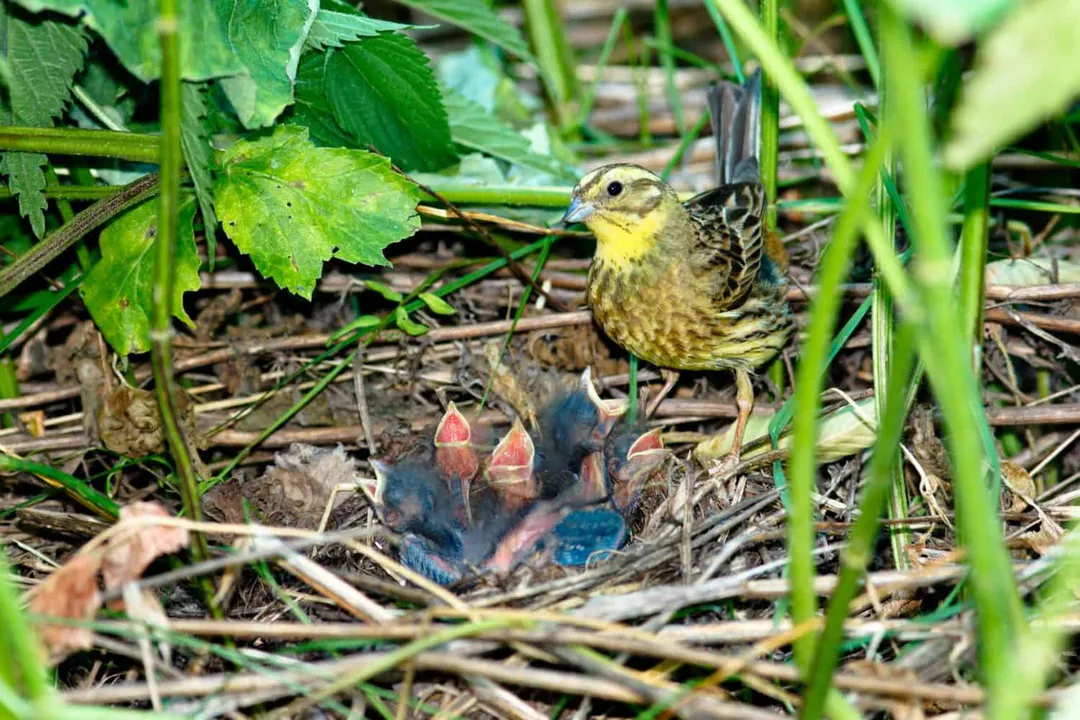
The pronounced downward trend in Yellowhammer populations across Western Europe is strongly linked to the intensification of modern agricultural practices. A primary mechanism contributing to this decline involves the increased use of herbicides. Herbicides suppress the growth of native weeds and wildflowers along field edges and margins. This eradication of non-crop vegetation directly results in a significant reduction in both the invertebrate prey base essential for feeding chicks and the natural seed sources required by adults during the non-breeding season. Furthermore, habitat degradation through hedgerow removal compounds the issue by removing suitable low nesting cover, making the lack of insect biomass during critical chick-rearing phases a major driver of local extinctions.