What adaptation prevents soil from entering the Zokor's auditory system?
Answer
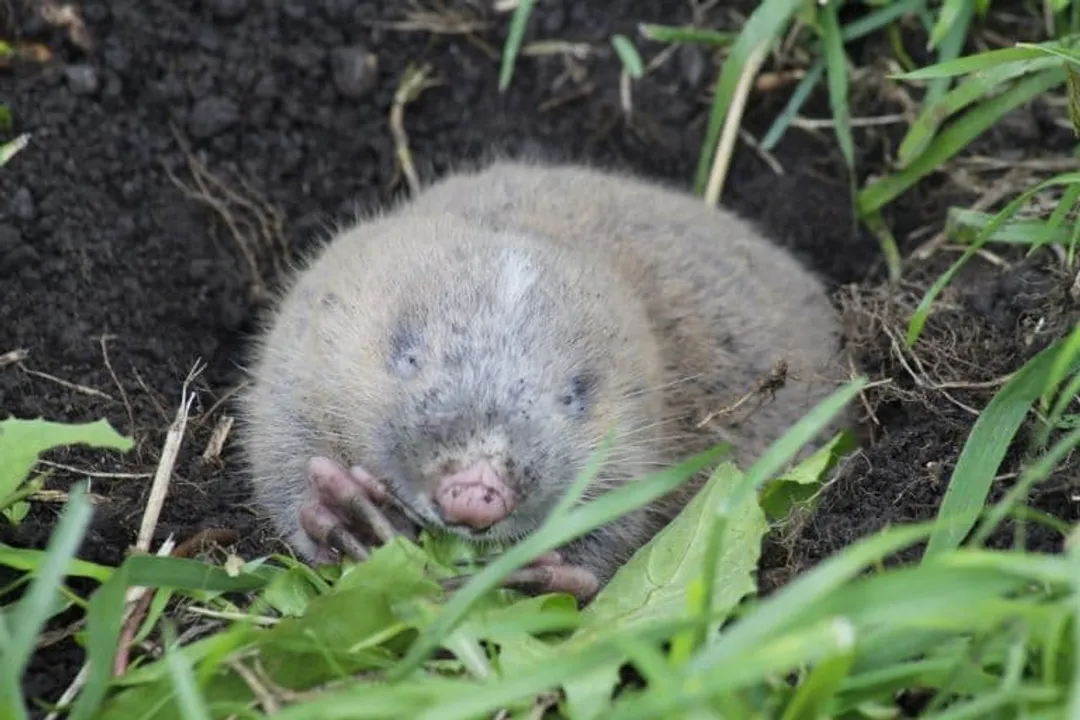
Their external ears are either absent or vestigial
Living almost entirely underground subjects the zokor to constant contact with loose soil, making protection of sensitive sensory organs paramount. To mitigate the risk of soil infiltration into the ear canal, zokors have evolved highly reduced external auditory structures. Their external ears are either completely absent or exist only in a vestigial form, meaning they are underdeveloped remnants. This morphological feature is a direct evolutionary response to their fossorial lifestyle, protecting the delicate inner workings of the hearing apparatus from abrasive soil particles and pressure fluctuations encountered during extensive tunneling activities.
Related Questions
To which order do Zokors, members of Myospalacinae, belong?How do Zokors utilize their protruding incisors while excavating soil?What adaptation prevents soil from entering the Zokor's auditory system?What primary food category forms the basis of the Zokor's herbivorous diet?Outside of mating or raising young, what is the typical social structure of Zokors?What term describes the helpless, blind, and naked state of newborn Zokors?What purpose do the shallower tunnels in a Zokor burrow system typically serve?In which specific Asian region is the Chinese zokor, genus Eospalax, found?The physical similarity between Zokors and true moles shows which evolutionary principle?How is the tail structure of a typical Zokor generally described?