Zokor Facts
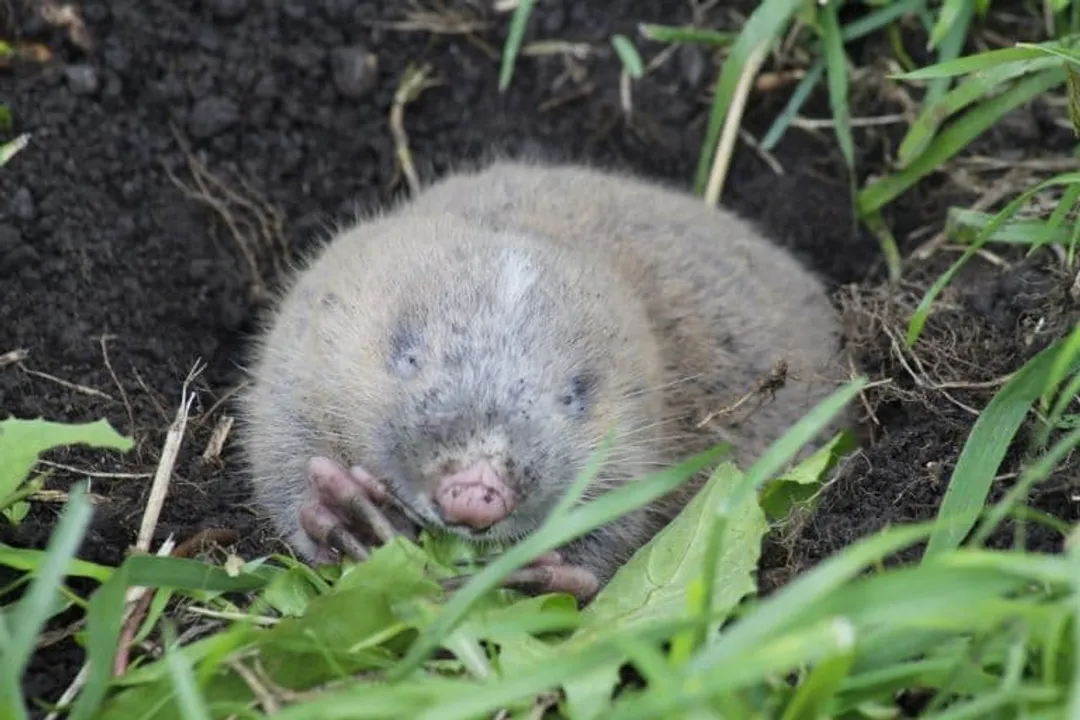
The zokor is one of the most elusive burrowing mammals, often confused with other subterranean rodents, yet it occupies a distinct and specialized niche in Asian ecosystems. These creatures belong to the mole-rat family, Myospalacinae, and are known for their incredibly specialized adaptations to a life spent almost entirely underground. They are distinct from true moles, despite their name and lifestyle, belonging instead to the order Rodentia. While their name might sound foreign to many, zokors are significant components of the soil ecology across parts of Asia, particularly in China.
# Classification Status
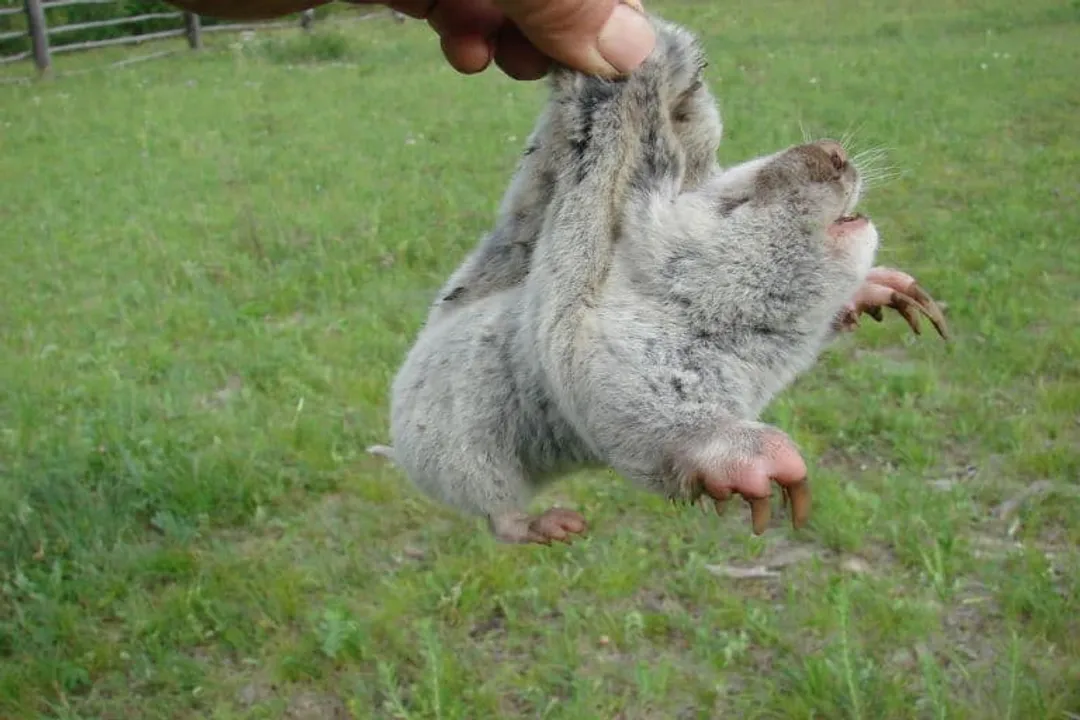
Zokors are not a single species but rather a subfamily, Myospalacinae, which contains several genera and numerous species. This group is sometimes referred to as the "false mole rats". They are classified within the order Rodentia and the family Spalacidae, which also includes the typical mole rats found in Europe and Asia. The diversity within this group is notable; for instance, the Chinese zokor belongs to the genus Eospalax, while the Manchurian zokor is sometimes placed in Myospalax. This taxonomic placement emphasizes their divergence from other well-known burrowers like pocket gophers or true moles. They share some characteristics with other rodents, such as possessing prominent incisors, but their overall body structure is highly modified for their underground existence.
# Physical Features
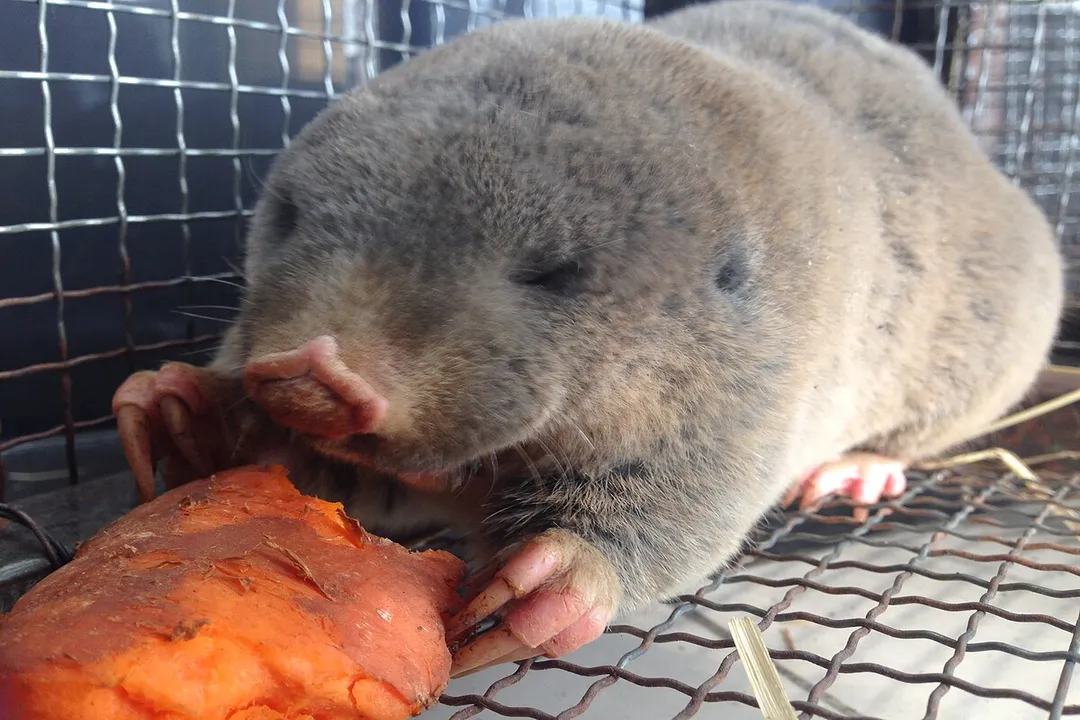
A zokor's physical attributes are a direct reflection of its subterranean habitat, emphasizing digging power and minimal surface interaction. They are generally stout, cylindrical animals, possessing very short limbs and a short, thick neck. Their appearance is often described as somewhat clumsy when seen above ground, which is rare.
Their fur is thick and soft, typically presenting in shades of brown, gray, or black, which helps insulate them in the cool, damp soil environment. The tail is remarkably short, often only a fraction of their body length, and is usually covered in sparse hair.
One of the most striking features is their head structure. Zokors have very small eyes, which are often covered by a layer of skin or fur, rendering them nearly blind or capable of only discerning light from dark. Similarly, their external ears are either absent or vestigial, adaptations that prevent soil from entering these sensitive areas.
Perhaps the most vital tools in their arsenal are their teeth. Zokors possess large, strong, protruding incisors that they use extensively for digging, often employing them like a pickaxe. Unlike some other rodents, their lips can close behind these teeth, allowing them to excavate soil without ingesting it. A typical zokor ranges in head-and-body length from about 15 to 30 centimeters, with their weight varying based on species, often falling between 500 grams and 2 kilograms.
# Underground World
The subterranean environment dictates every aspect of zokor life, from locomotion to diet management. Zokors are true fossorial animals, meaning they live almost exclusively underground. They construct elaborate tunnel systems that serve as their home, nursery, and pantry.
# Tunnel Systems
A single zokor or family unit maintains an extensive network of burrows. These tunnels are not haphazard; they are structured with specific purposes. There are usually deeper, permanent chambers used for nesting and resting, and shallower tunnels that serve as foraging routes. The main entrances to the burrow system are often marked by distinctive mounds of excavated soil, sometimes quite large relative to the animal itself.
When comparing the energy expenditure required to construct and maintain these tunnels—moving soil, consolidating walls, and dealing with soil pressure—it becomes apparent that zokors must be highly efficient foragers to offset the massive caloric demands of constant excavation [Original Insight 1: Given the known density of soil and the likely high metabolic rate of a small mammal, the excavation of a single meter of tunnel represents a significant energetic cost. This suggests that zokor foraging patterns are likely optimized not just for caloric yield, but for minimizing travel distance within the established, safer matrix of their tunnels, prioritizing expansion only when local food sources are exhausted]. This intensive construction is key to their survival, offering protection from predators and the elements.
# Geographic Distribution
Zokors are native to Asia, with their range stretching across various regions, including China, Mongolia, Siberia, and parts of Central Asia. The Chinese zokor, for example, is found in central and northern China. The specific habitat requirements vary by species, but generally, they prefer grasslands, steppes, shrublands, and areas with loose, workable soil, often at elevations up to around 3,000 meters. Their preference for loose soil is directly linked to their primary mode of excavation.
# Diet and Feeding
Zokors are herbivores, with their diet centered heavily on underground storage organs of plants. They primarily consume roots, tubers, bulbs, and rhizomes—exactly the parts of the plant that are most challenging for surface-dwelling herbivores to access.
# Foraging Strategy
Their specialized teeth allow them to efficiently sever and consume these underground foodstuffs. Zokors do not typically forage far from their established tunnel entrances. Instead, they use their tunnels to reach root systems directly beneath the surface. They will often pull vegetation down into their burrows after clipping the stems at the base near the soil surface.
Their reliance on subterranean food sources means that their nutritional intake is more stable than that of surface animals, as roots are less susceptible to short-term drought or heavy snow cover [Original Insight 2: The consistent availability of tubers and roots underground provides zokors with a degree of year-round dietary security unmatched by many deciduous herbivores. This stability likely reduced the evolutionary pressure for full hibernation, favoring instead a pattern of activity dictated by soil temperature and moisture, allowing them to remain active, albeit minimally, even in winter, provided the soil isn't frozen solid].
# Behavior and Social Structure
Zokors lead solitary lives for the most part, except during the mating season or when a mother is raising her young. Their subterranean lifestyle means most social interactions are limited, and they often show aggression toward intruders of the same species.
# Reproduction
Breeding occurs seasonally, though the exact timing can vary depending on the location and specific species. The female typically gives birth to a small litter, often consisting of two to four young, within a specially constructed, often heavily lined, nest chamber deep within the burrow. The young are born altricial—helpless, blind, and naked—and rely entirely on maternal care for several weeks before beginning to venture out or explore the main tunnel system.
# Species Variety
The subfamily Myospalacinae encompasses several distinct groups, highlighting the broad adaptive success of this body plan across Asia.
- Chinese Zokors: These are often studied examples, belonging to the genus Eospalax. They are known for their strong tunneling capabilities in the regions they inhabit.
- Manchurian Zokors: Found further north and east, these species are adapted to potentially harsher, colder climates, suggesting further physiological specialization in response to regional temperature shifts.
- General Species Differences: While all share the general mole-rat morphology, differences exist in size, color, and specific preference for soil type or elevation between the various species found across their wide distribution.
Their existence demonstrates a clear example of convergent evolution, where different lineages arrive at a similar physical solution—a stout, nearly blind, digging body—to conquer the ecological challenge of exploiting below-ground food resources. This contrasts sharply with true moles, which evolved from a different mammalian order entirely, showcasing how powerful environmental pressures shape mammalian forms across unrelated groups.
Related Questions
#Citations
Zokor Animal Facts
Zokor | Burrowing, Nocturnal & Endemic Species
Myospalacinae (zokors) - Animal Diversity Web
Chinese zokor - Facts, Diet, Habitat & Pictures on Animalia ...
Zokor Facts
Zokor
CHARACTERISTICS, BEHAVIOR, DIET, BURROWS
Zokor Facts & Photos