Outside of the host nest, how does the queen's existence resemble the behavior of other bees?
Answer
Resembling the behavior typical of bumblebee males or solitary bees
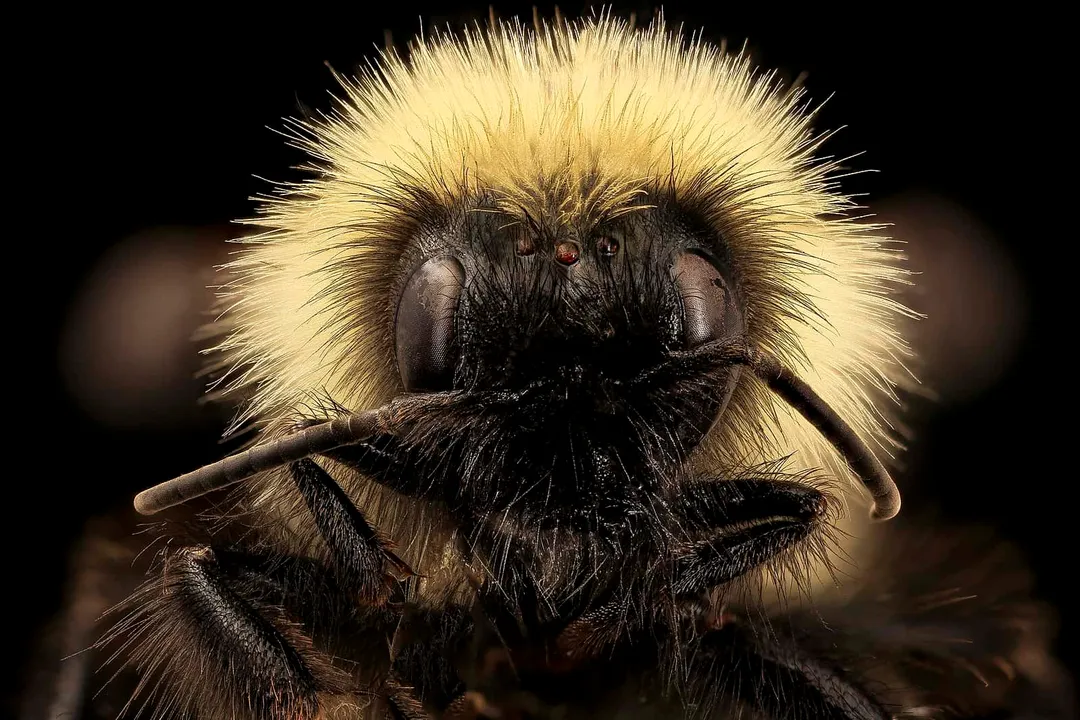
Cuckoo bumblebees occupy a unique ecological niche as social parasites. Unlike their social relatives that invest energy in building large, ground-based nests, the *B. fernaldii* queen lives a comparatively solitary existence when outside the host nest. This solitary pattern, where she only gathers nectar and uses non-specialized legs for energy collection, mirrors the lifestyle more commonly associated with bumblebee males or truly solitary bee species.
Related Questions
What is the scientifically designated name for the Yellowish Cuckoo Bumblebee?What specialized structure do female B. fernaldii lack that pollen-collecting bees possess?Which sex of B. fernaldii undertakes the risky business of nest invasion?What chemical agents are released by the invading queen to suppress host workers?Which species is frequently cited as a major host for Bombus fernaldii in the northeastern United States?How does the coloration of B. fernaldii males typically compare to that of the queens?What conservation designation does the Yellowish Cuckoo Bumblebee hold in New York State?According to field observation tips, what observation indicates a bee is likely a male or a female cuckoo?What tools does the invading B. fernaldii queen primarily use to physically overcome the resident host queen?Outside of the host nest, how does the queen's existence resemble the behavior of other bees?Which US state is mentioned as a location where B. fernaldii populations have been documented in the western part of its range?