What are some interesting facts about the cuckoo bee?
The name "cuckoo bee" immediately brings to mind a unique, often parasitic lifestyle, much like the famous cuckoo bird that deposits its eggs in the nests of other species. This comparison holds true for these fascinating Hymenoptera. Cuckoo bees, technically belonging to several different lineages within the Apoidea superfamily, share the common thread of not building their own nests or provisioning their young with pollen and nectar. [1][4] Instead, they employ a reproductive strategy known as cleptoparasitism, making them the bandits of the bee world. [1][4]
# Look Different
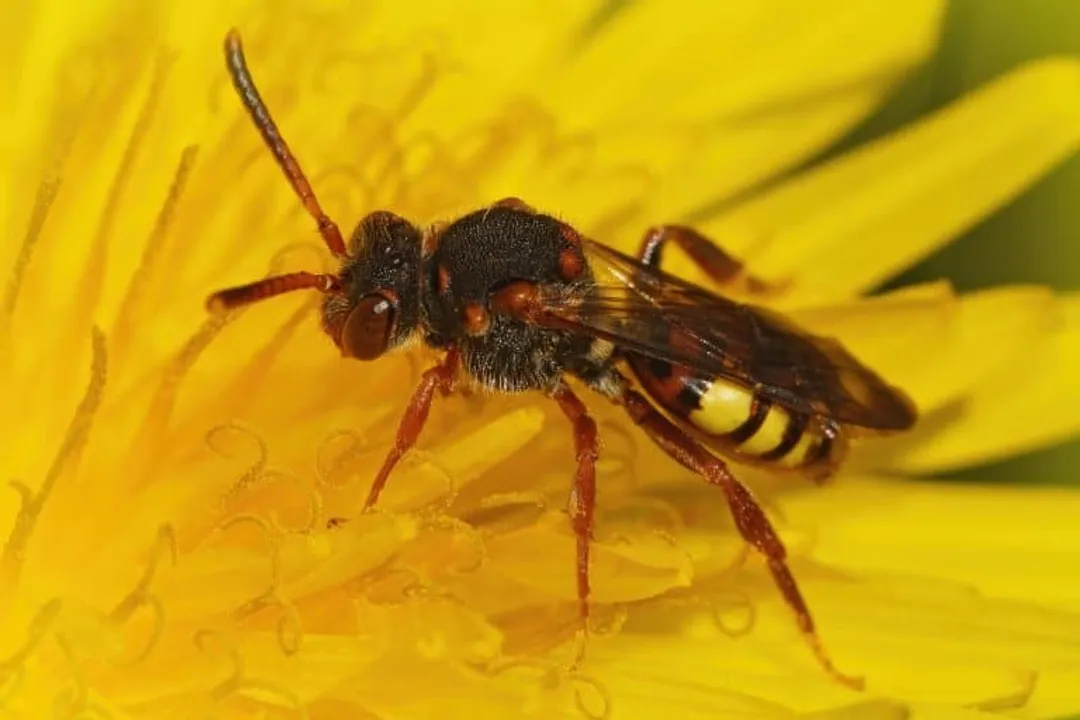
When most people picture a bee, they think of the fuzzy, yellow-and-black striped honeybee (Apis mellifera) or perhaps a robust bumblebee collecting pollen on its legs. Cuckoo bees, however, often break this mold visually because they have abandoned the need for heavy coats of hair. [1] Since they don't need to gather massive amounts of pollen to create a food ball for their larvae, the specialized branched hairs, or scopa, used for carrying pollen are either greatly reduced or completely absent in many species. [1][7]
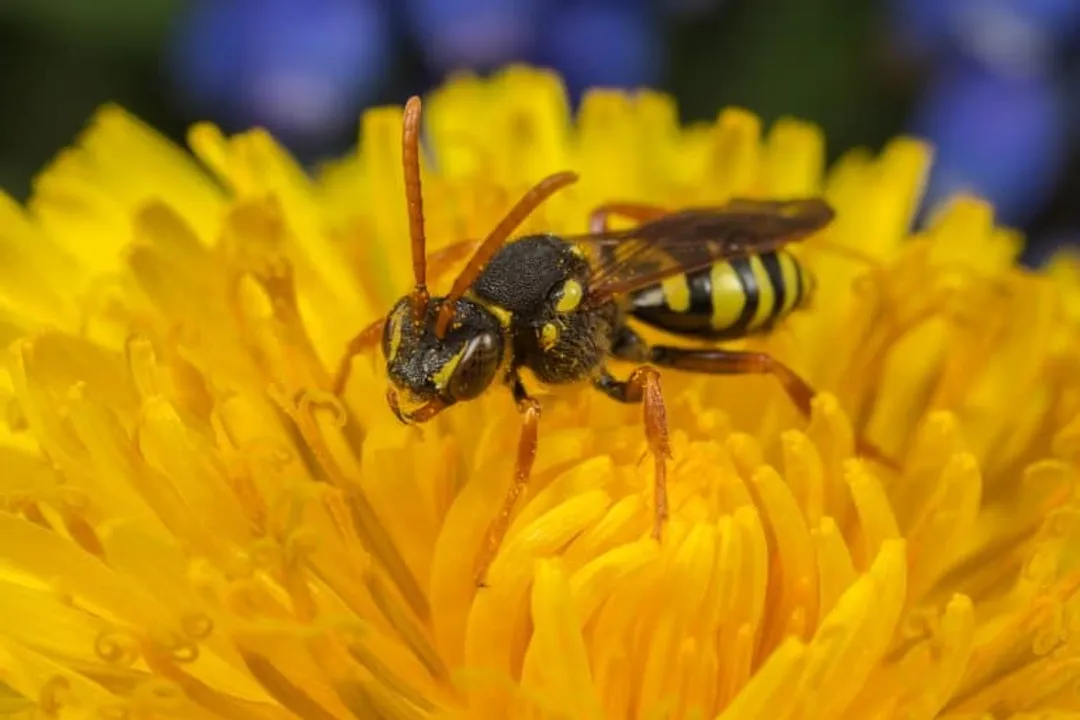
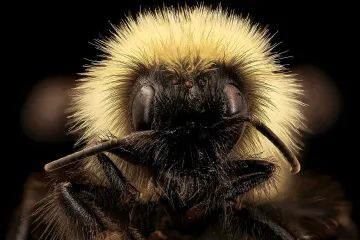
This absence of heavy pollen loads often results in a sleeker, more wasp-like appearance. [1] For instance, certain genera, such as Nomada, are notoriously slender and feature distinct black and yellow or black and white patterns, leading to frequent misidentification as wasps rather than bees. [1][9] The diversity in appearance is staggering because "cuckoo bee" isn't a single taxonomic group; it’s a description of a behavior shared across various families and genera, including species within the families Apidae, Megachilidae, and Halictidae. [4] This means a cuckoo bee can look drastically different depending on which family it evolved from and which host it targets. [4] For example, a cuckoo bumble bee, a type of cleptoparasite within the Bombus genus, might retain some of the characteristic bumblebee fluff but lacks the functional pollen baskets (corbiculae) found on its host relatives. [7] If you observe a bee on a flower that seems unusually bare-legged for its size, or one that hovers near a potential nest site without landing to gather resources, it warrants a closer look to determine if you have found a parasite. [1]
# Nest Raiders
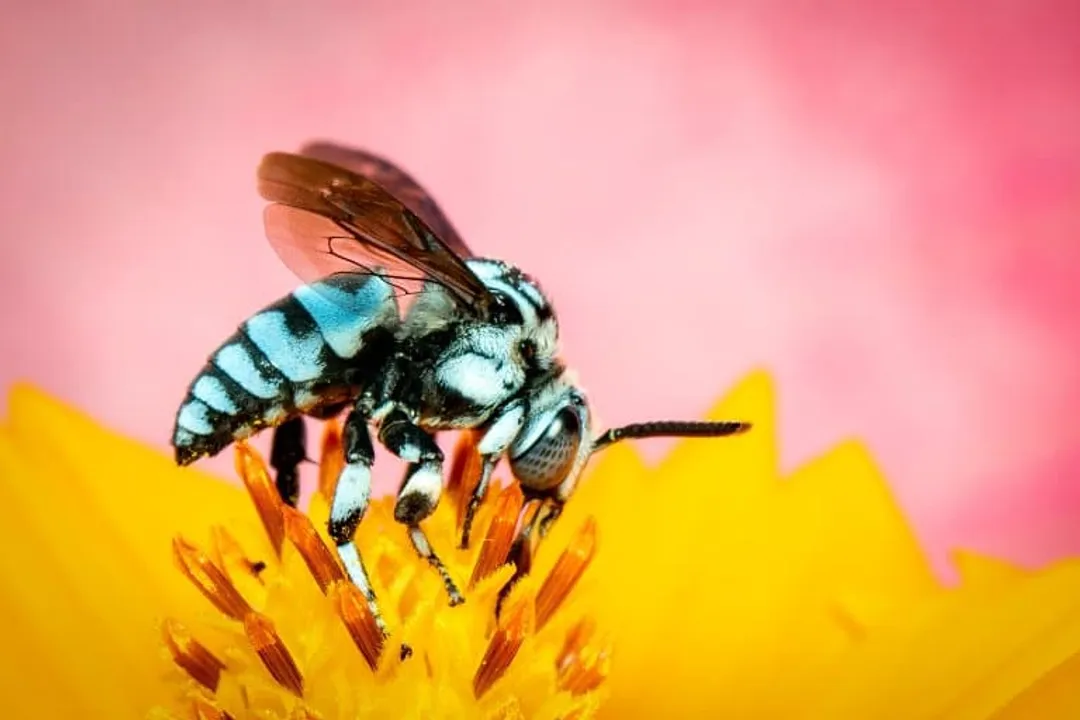
The central, defining characteristic of the cuckoo bee is its method of reproduction. Rather than investing time and massive energy into digging nests, collecting provisions, and guarding the entrance—the hallmarks of solitary or social bees—the female cuckoo bee focuses her entire reproductive budget on stealth and deception. [1] This evolutionary trade-off is fascinating: while a solitary mason bee might visit hundreds of flowers to collect enough resin and pollen for a single offspring, the cuckoo bee concentrates on locating an active nest belonging to a suitable host species. [1][7]
Once a suitable nest is located, the cuckoo bee waits for the host female to leave after provisioning a cell with nectar and pollen. [1] The cleptoparasite then slips inside, lays a single egg into the prepared food mass, and quickly departs. [1][8] The host returns, unaware, seals the cell, and the entire food supply—intended for the rightful larva—is now the inheritance of the cuckoo bee's offspring. [1][4]
When the cuckoo bee larva hatches, it often has an evolutionary head start. Many cleptoparasitic bee species are equipped with mandibles or specialized mouthparts designed to quickly dispatch the host's egg or newly hatched larva before consuming the stored provisions. [4] This guarantees that the parasite gets all the stored resources. [4] This high-stakes, covert operation requires a delicate balance; if the cuckoo bee is detected by the host, the result is almost always death for the intruder. [1] The sheer metabolic cost of repeatedly finding and infiltrating secure, often hidden, nests represents a significant evolutionary investment in specialized sensory detection and rapid entry, an investment that contrasts sharply with the provisioning labor of the host. [7]
# Solitary Lives
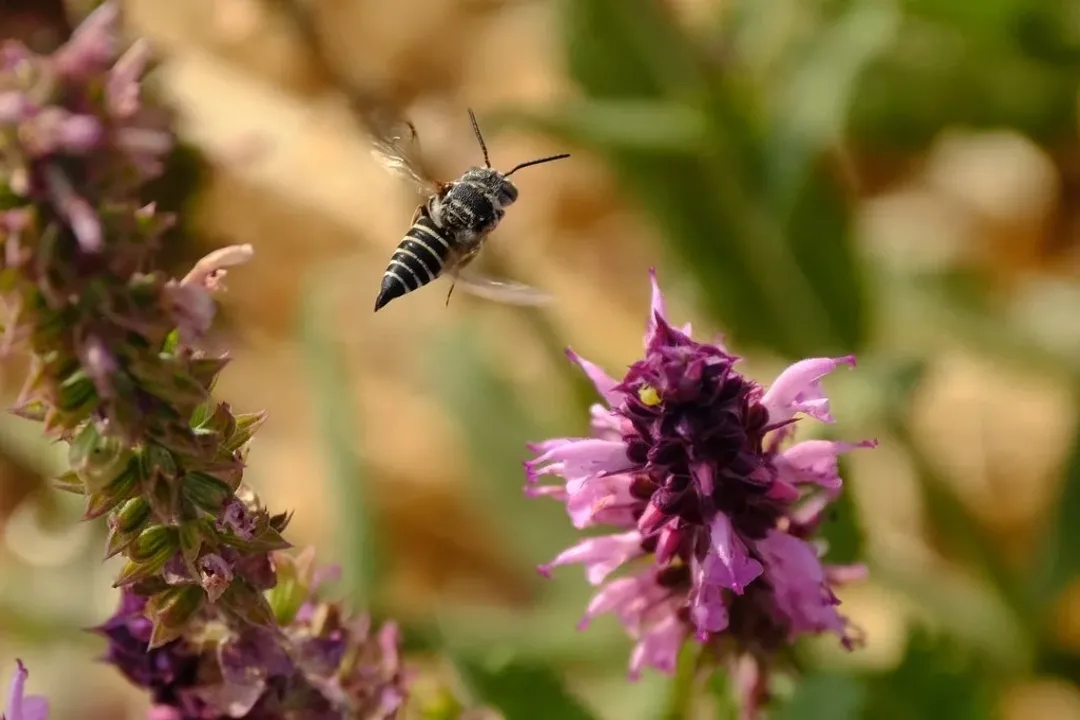
Almost all cuckoo bees are solitary, meaning each female works independently, unlike honeybees or bumblebees which live in colonies. [1][7] This solitary nature is intrinsically linked to their reproductive strategy. Since they do not rear large numbers of young communally, there is no need for complex social structures, queen castes, or worker division of labor. [1]
Because their larvae are provisioned by the host, adult cuckoo bees do not require the anatomical adaptations for packing pollen. [1] This has led to an interesting, if somewhat predictable, diversity in their diets. While many bees are specialists, only visiting flowers of one plant family or even one genus, cuckoo bees are often more generalized foragers in their adult lives because their primary "goal" is to find a nest, not a specific type of pollen. [6] They still need nectar for energy to fly and search, but their foraging for pollen is either non-existent or far less specialized than that of their hosts. [6]
It is important to note that not all bees that are not honeybees are cuckoo bees, and not all solitary bees are cleptoparasites. For instance, many solitary bees, like leafcutter bees, are excellent pollinators who diligently collect pollen using their scopa, living completely independent lives separate from any parasitic influence. [3] The key differentiator for the cuckoo bee remains the deposition of its egg in another's nursery. [4]
# Host Specificity
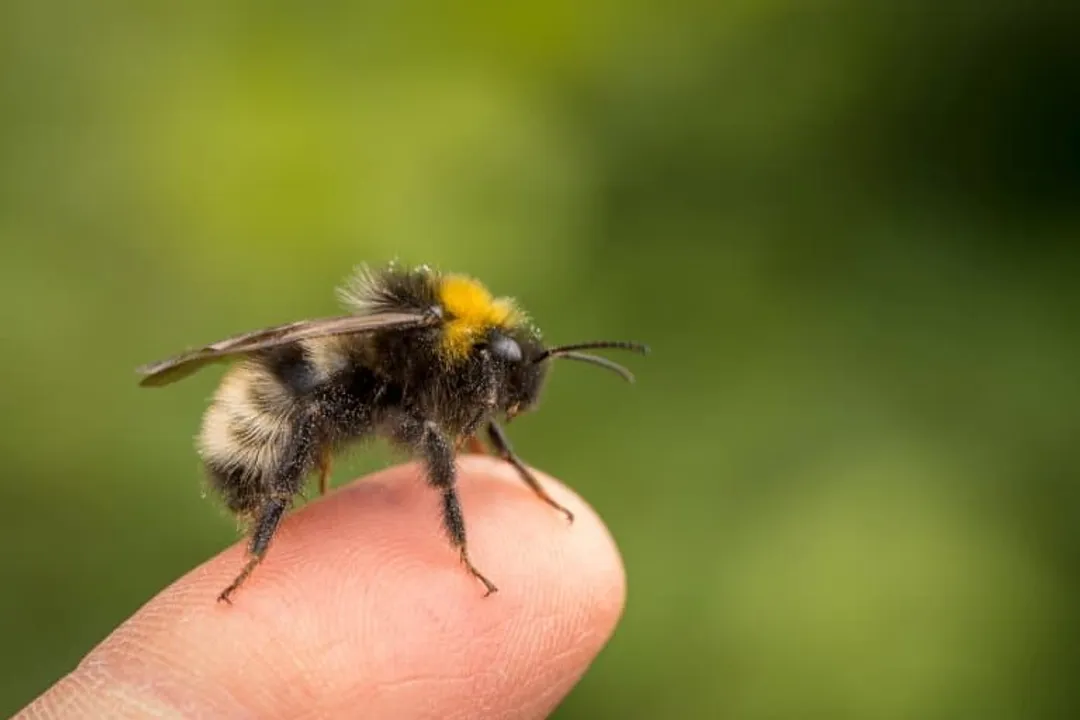
The relationship between a cuckoo bee and its host can range from generalist to highly specific, adding another layer of complexity to their biology. [4] Some species are remarkably specialized, sometimes targeting only one or two closely related host species. [4] For example, a cuckoo bee might exclusively parasitize a specific type of ground-nesting solitary bee that collects only thistle pollen. [6] If that specific host population declines, the specialized cuckoo bee population is likely to follow suit immediately. [7]
Conversely, other cuckoo bees, particularly those in genera like Nomada, are far more adaptable, laying their eggs in the nests of many different ground-nesting bee species. [1][6] This flexibility offers them a degree of resilience against the fluctuating fortunes of any single host. [4] Understanding which species are generalists versus specialists is crucial for conservation efforts, as declining generalists often signal a broader issue within the pollinator community, whereas specialist declines might point directly to a single endangered host species. [7]

# Ecosystem Roles
Even though their actions might sound purely detrimental, cuckoo bees do contribute to their local environments. As mentioned, they are still bees, and adult females require nectar, meaning they do visit flowers and provide some level of incidental pollination while they are searching for host nests. [6]
More significantly, the presence of cuckoo bees is often an indicator of a healthy, diverse bee community. A successful cleptoparasite requires a viable, reproducing population of its host species nearby. [7] Their presence suggests that the habitat supports all the necessary elements: the host bee, the host's nesting material (whether soil for ground-nesters or pre-made cavities for cavity-nesters), and the flowers that the host relies on for provisioning. [7] In Minnesota, for example, the diverse populations of cuckoo bumble bees are noted as being important components of the varied native ecosystems, underscoring that while they are parasites, they are integrated parts of the system’s complexity. [7] Observing a cuckoo bee in your garden can therefore be interpreted as a positive sign that the complex web of life needed to support multiple bee species is intact. [3]
# Identification Tips
Distinguishing cuckoo bees from other solitary bees can sometimes be tricky, even for keen observers, due to mimicry and the sheer variety of species. [4] A few pointers can help narrow down the possibilities:
- Absence of Pollen: Actively look for bees visiting flowers but carrying no visible pollen on their legs or undersides. [1]
- Behavior: Watch for hovering or buzzing around known nesting sites (like bare patches of soil or existing bee hotels) rather than just methodically visiting flowers. [6]
- Mandibles: In some genera, the females possess noticeably larger or more prominent mandibles than their hosts, which they use to breach the host's provisioned cell or attack the host egg. [4]
If you encounter one of the cuckoo bumble bees (Bombus relatives), remember that while they resemble their host counterparts, they are not the primary pollinators in the way the social bumblebees are, and they often lack the functional corbicula. [7] Paying attention to these small behavioral and morphological differences moves the identification process from simple guesswork to informed observation. [1][6]
Related Questions
#Citations
The Unique Lives of Cuckoo Bees - Sageland Collaborative
10 Crazy Cuckoo Bee Facts - Fact Animal
Cuckoo Bees - UC BERKELEY URBAN BEE LAB
Cuckoo bee - Wikipedia
Characteristics and Behaviors of Cuckoo Bees in ... - Facebook
Cuckoo Bees - Wild About Utah
Cuckoo Bumble Bees: Important Species for Diverse Ecosystems
Cuckoo bee Facts for Kids
CUCKOO bees: Triepeolus, Epeolus, Nomada, Stelis, Sphecodes