In classifying *Lycosidae* within Araneae, what aspect often outweighs secondary behavioral traits?
Answer
Skeletal morphology and conserved traits
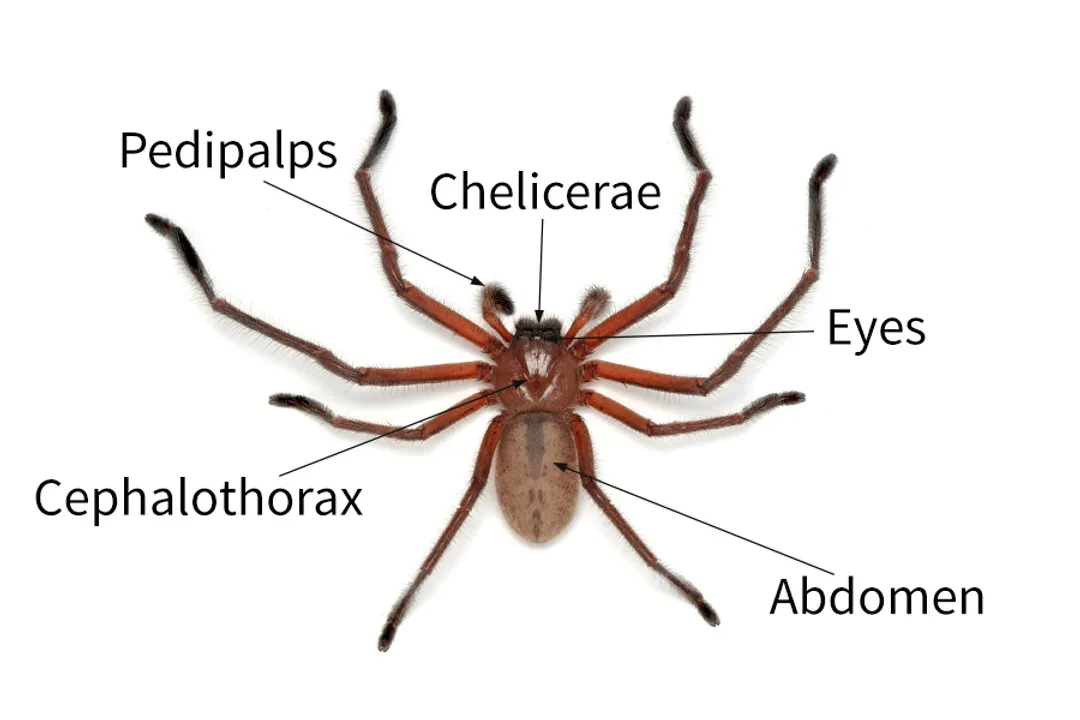
The scientific classification system, particularly at the family level, relies heavily on identifying shared derived characteristics—traits passed down from a common ancestor—which manifest most reliably through morphological structure. While behavior, such as the unique maternal care or hunting style, is important, skeletal morphology often takes precedence when establishing family placement. For instance, if a hypothetical spider possessed the definitive Lycosidae eye pattern and the characteristic carrying behavior but unexpectedly built a large web, taxonomists would likely default its classification to Lycosidae based on the inherent physical structure supporting those key traits.
Related Questions
What fundamental grouping defines the Kingdom placement for the wolf spider?Which structural hallmark characterizes the Phylum Arthropoda for wolf spiders?What consistent feature distinguishes the Class Arachnida, including wolf spiders?What key morphological tools define the Order Araneae members like wolf spiders?What is the origin of the name for Family Lycosidae based on their behavior?What specific visual trait is often used to identify spiders down to the Lycosidae family?What unique method of maternal care solidifies identification within Lycosidae?How does the hunting strategy of wolf spiders differ from many other Araneae members?In classifying *Lycosidae* within Araneae, what aspect often outweighs secondary behavioral traits?What is the defining nutritional characteristic of organisms in Kingdom Animalia?Besides their hunting method, what physical descriptions are often applied to Lycosidae members?