Besides their hunting method, what physical descriptions are often applied to Lycosidae members?
Answer
Relatively large and notably hairy
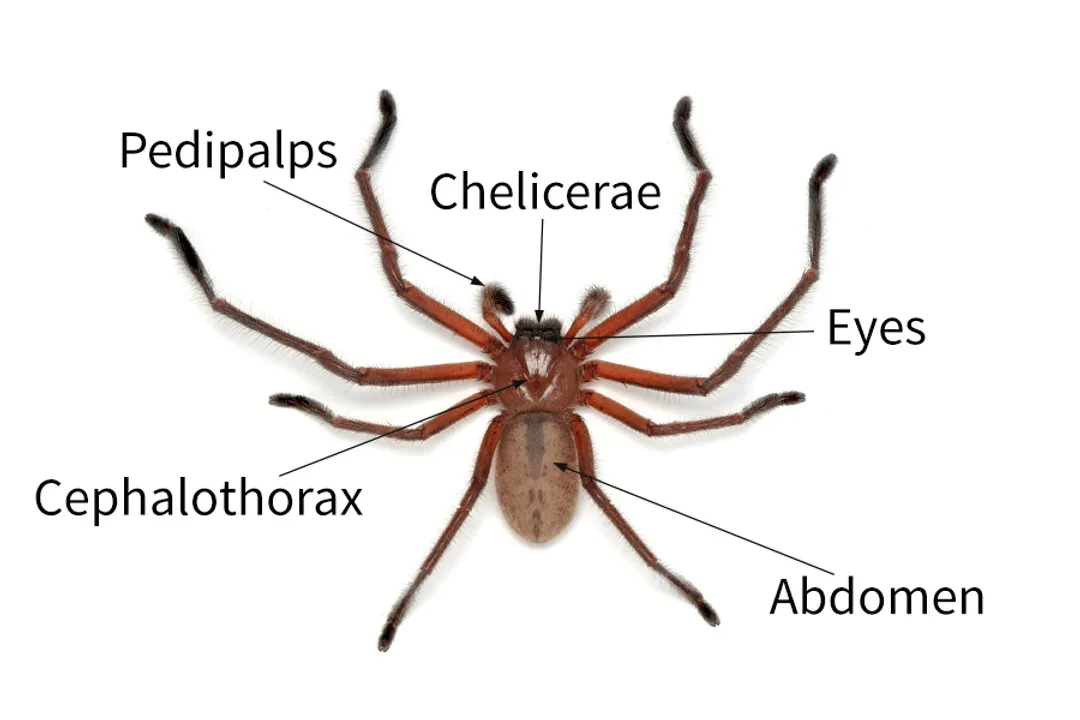
When describing the morphology of spiders classified within the Family Lycosidae, two common physical descriptors are frequently used: they are often characterized as being relatively large compared to many other small spider species, and they are notably hairy in appearance. Although the text notes that 'large' is relative when considering the entire spectrum of spider sizes, and variations in size and coloration exist across different genera, the hairy texture and generally robust build are conserved traits associated with this family.
Related Questions
What fundamental grouping defines the Kingdom placement for the wolf spider?Which structural hallmark characterizes the Phylum Arthropoda for wolf spiders?What consistent feature distinguishes the Class Arachnida, including wolf spiders?What key morphological tools define the Order Araneae members like wolf spiders?What is the origin of the name for Family Lycosidae based on their behavior?What specific visual trait is often used to identify spiders down to the Lycosidae family?What unique method of maternal care solidifies identification within Lycosidae?How does the hunting strategy of wolf spiders differ from many other Araneae members?In classifying *Lycosidae* within Araneae, what aspect often outweighs secondary behavioral traits?What is the defining nutritional characteristic of organisms in Kingdom Animalia?Besides their hunting method, what physical descriptions are often applied to Lycosidae members?