How does the skull morphology of *Xiongguanlong* contrast with derived Late Cretaceous tyrannosaurids?
Answer
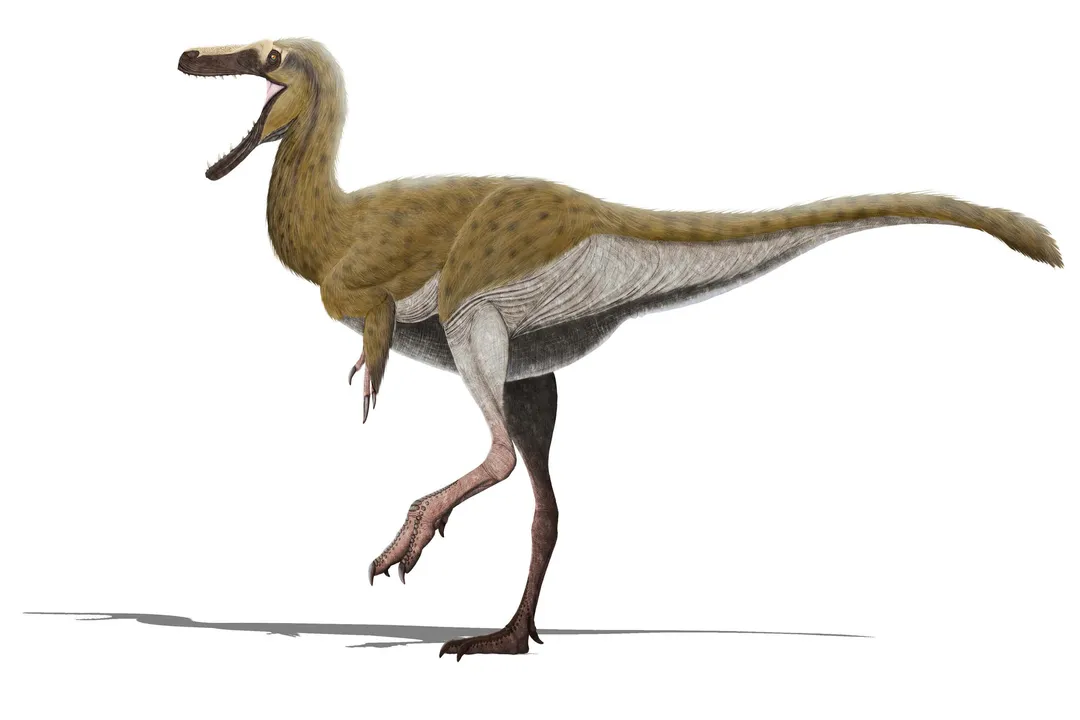
It features a distinctive long and narrow skull with an elongate preorbital region accounting for more than two-thirds of its length.
A key feature distinguishing *Xiongguanlong* from later, more derived tyrannosaurids is its cranial architecture. Unlike the powerful, deep, and boxier skulls associated with later forms that specialized in immense biting force—the hallmark of apex predators like *T. rex*—*Xiongguanlong* retained a remarkably long and narrow skull. Its preorbital region, the area in front of the eye socket, constituted over two-thirds of the total skull length, a morphology that provided a specialized muzzle reminiscent of the contemporary genus *Alioramus* rather than the robust crushing jaws of its successors.
Related Questions
What geographical feature inspired the specific epithet *baimoensis* of *Xiongguanlong*?To which geological period do the sediments containing *Xiongguanlong* date?How does the skull morphology of *Xiongguanlong* contrast with derived Late Cretaceous tyrannosaurids?What unusual characteristic is noted regarding the premaxillary teeth of *Xiongguanlong*?In terms of evolutionary placement, what is *Xiongguanlong* recognized as within Tyrannosauroidea?What specific major jaw component was notably lacking from the holotype specimen of *Xiongguanlong*?Where does the estimated size of *Xiongguanlong* (170 to 300 kg) place it evolutionarily?What feature was noted about the vertebrae of *Xiongguanlong* compared to other basal tyrannosauroids?What does the geological setting of *Xiongguanlong* in Early Cretaceous Gansu suggest about tyrannosauroid evolution?Which contemporary genus shares a muzzle morphology reminiscent of *Xiongguanlong*'s long skull?