How does the ibex coat change during the brutal cold of winter?
Answer
Long, dense, and woolly
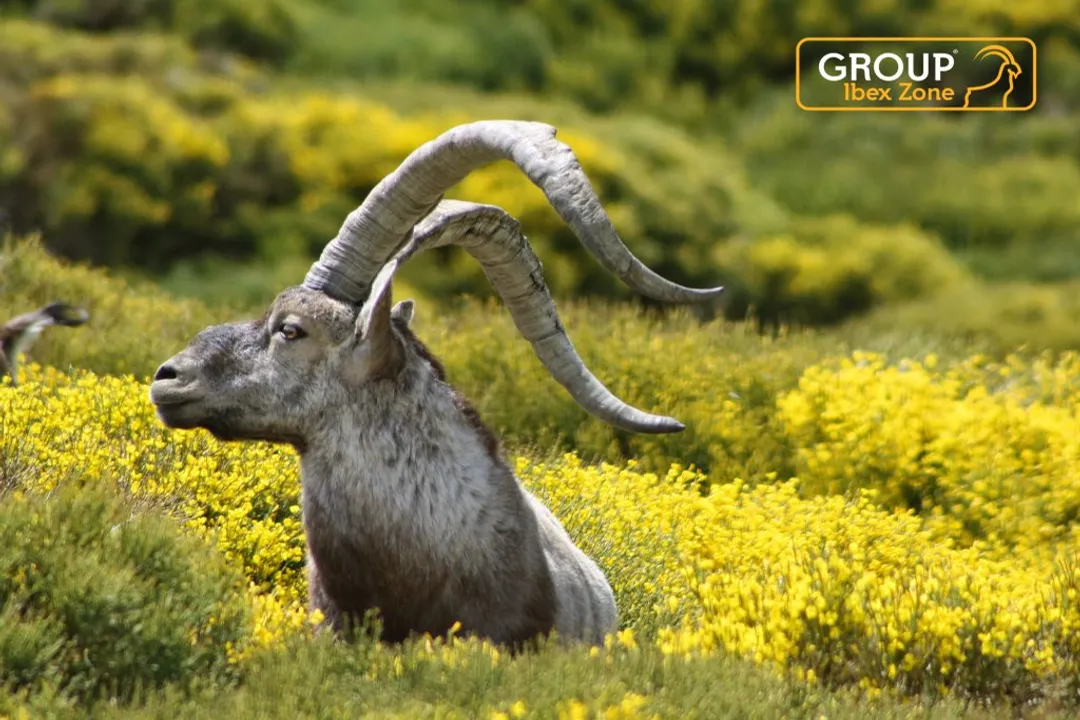
In the harsh cold of winter, the ibex coat becomes long, dense, and woolly. Alpine populations often develop a dense, double-layered coat to trap heat effectively against extreme cold and snowpack.
Related Questions
What specific feature of the Alpine ibex hoof offers superior grip on sheer surfaces?How does the ibex coat change during the brutal cold of winter?What is the texture of the hair the ibex grows in summer?What is the primary use of the massive, curved horns carried by male ibex?What feature on the Gredos Ibex horns allows observers to estimate the animal's age?What respiratory adaptation helps the Alpine Ibex function at elevations up to 3300 meters?Why is the salt obtained from licking stones specifically required by the ibex?What benefit does the combination of short legs and large, flexible hooves provide the ibex?How does the coat color of the Alpine Ibex generally change heading into the summer months?Regarding horns, what key characteristic demonstrates sexual dimorphism in the Alpine Ibex?What characteristic distinguishes the Gredos Spanish Ibex regarding its coloring?