What are three physical adaptations of a tiger?
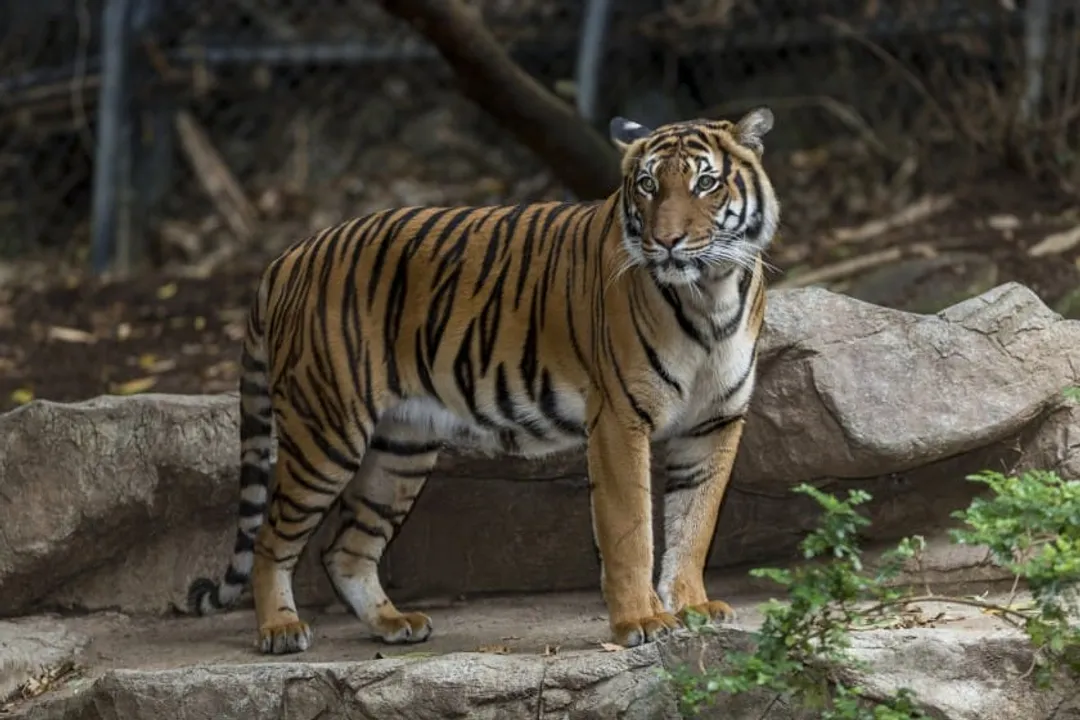
The tiger, Panthera tigris, reigns as the undisputed apex predator across the diverse terrains of Asia, a status earned not by luck, but through a cascade of highly specialized physical traits honed over millennia of evolution. These magnificent creatures, the largest of all extant cat species, are masterpieces of biological engineering, each feature—from the pattern on their coat to the curve of their claws—a testament to the relentless pressure of natural selection within their respective habitats. To truly appreciate the tiger's dominance, one must delve into the mechanics of its most critical physical adaptations, moving past superficial recognition to understand the engineering behind their survival. We can focus on three key areas: the cryptic perfection of their striped coat, the lethal mechanics of their teeth and claws, and the acute sensory apparatus that guides their nocturnal hunt.
# Pattern Perfection
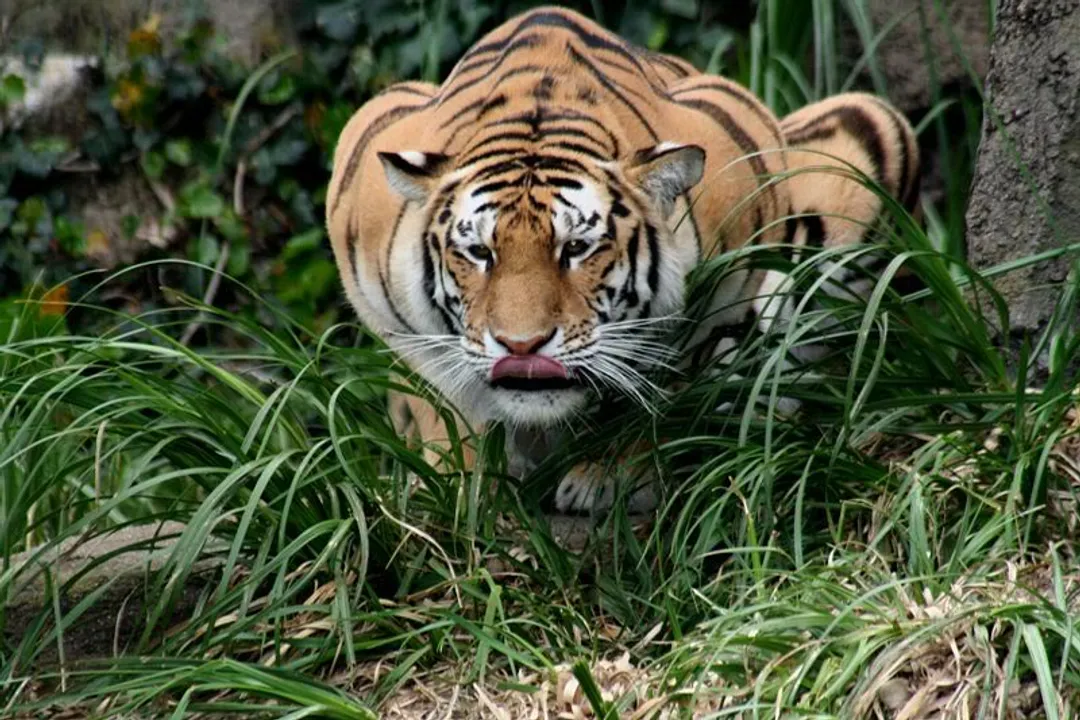
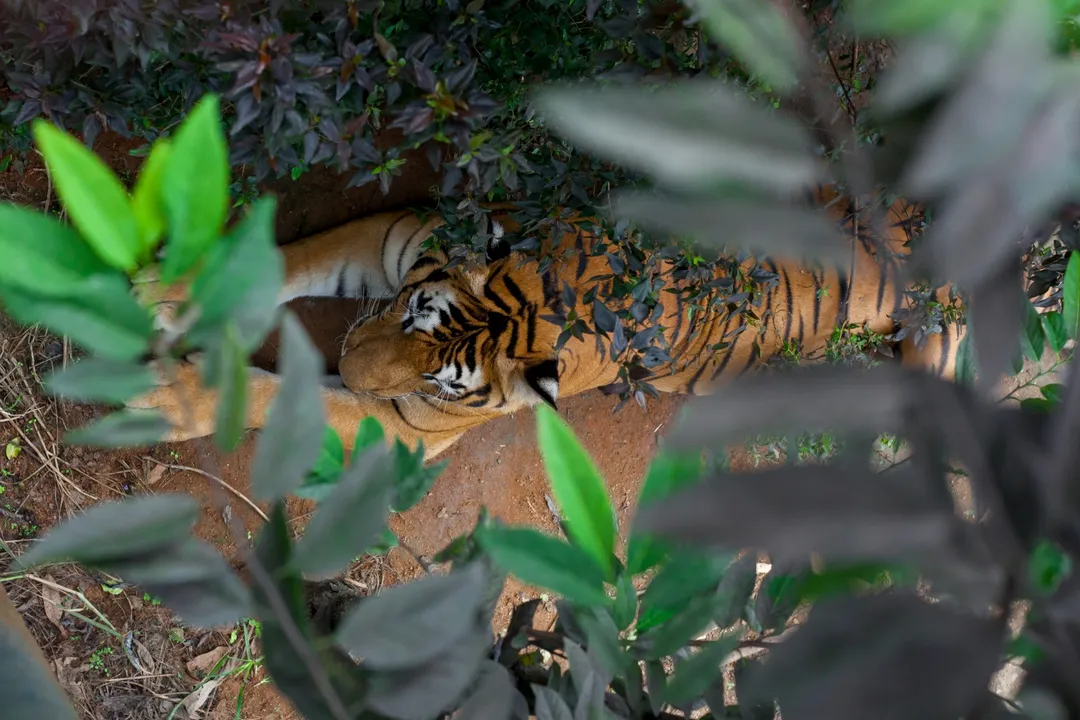
Perhaps the most immediate and iconic characteristic of the tiger is its distinctive coat: a canvas of deep orange or reddish-brown overlaid with bold, vertical black stripes. This is far more than mere decoration; it is a critical survival tool, serving as one of the most effective forms of camouflage in the animal kingdom.
The primary function of this striking pattern is to disrupt the tiger’s outline, effectively dissolving the massive feline form into the background of its environment. Tigers typically thrive in habitats characterized by dense vegetation, such as tropical forests, swamp forests, or tall grasslands. In these settings, sunlight rarely reaches the forest floor in a uniform sheet. Instead, it filters down through the canopy or tall reeds, creating a complex, shifting mosaic of light and shadow. The tiger’s stripes mimic these vertical streaks of shade with uncanny precision, making it extraordinarily difficult for prey animals to perceive the predator as a solid, threatening shape.
This illusion is amplified by the specific color spectrum of their main prey species. Many of the tiger's primary targets, such as deer, are known to be red-green colorblind. From the perspective of a deer, the tiger’s brilliant orange fur does not register as a vibrant, easily visible color. Instead, the orange hues are perceived as shades of green, effectively causing the tiger to blend in perfectly with the surrounding green foliage. This visual deception allows the tiger to approach its quarry much closer than would be possible for a uniformly colored predator, minimizing the energy expenditure required for a final, explosive chase.
It is worth noting how this adaptation highlights the fragility of their genetic legacy. In captivity, variations like the white tiger or the golden tabby tiger have arisen due to recessive genes and inbreeding practices intended for exhibition. While visually stunning to human eyes, these color morphs are catastrophically ill-suited for the wild. A white tiger, for instance, stands out with "incredible severity" against the forest backdrop, entirely forfeiting the camouflage advantage that nature selected for survival. The wild-type coloration is a direct, functional response to the visual environment of their prey and habitat.
Considering the mechanics of light and shadow in dense areas, one might reflect on how the effectiveness of this adaptation changes with habitat fragmentation. In areas where old-growth forest is replaced by open scrub or sparse second-growth, the clean, dappled light pattern that the stripes are optimized for disappears. The uniformity of the background increases the risk of detection, turning the tiger’s coat from a blanket of invisibility into a stark contrast against a flatter background, thus demanding greater stealth or forcing the tiger into more nocturnal hunting patterns to compensate for the visual mismatch. This subtle interplay between coat pattern and environmental geometry demonstrates that an adaptation’s utility is always conditional upon the landscape it inhabits.
# Weaponry and Stalking Gear
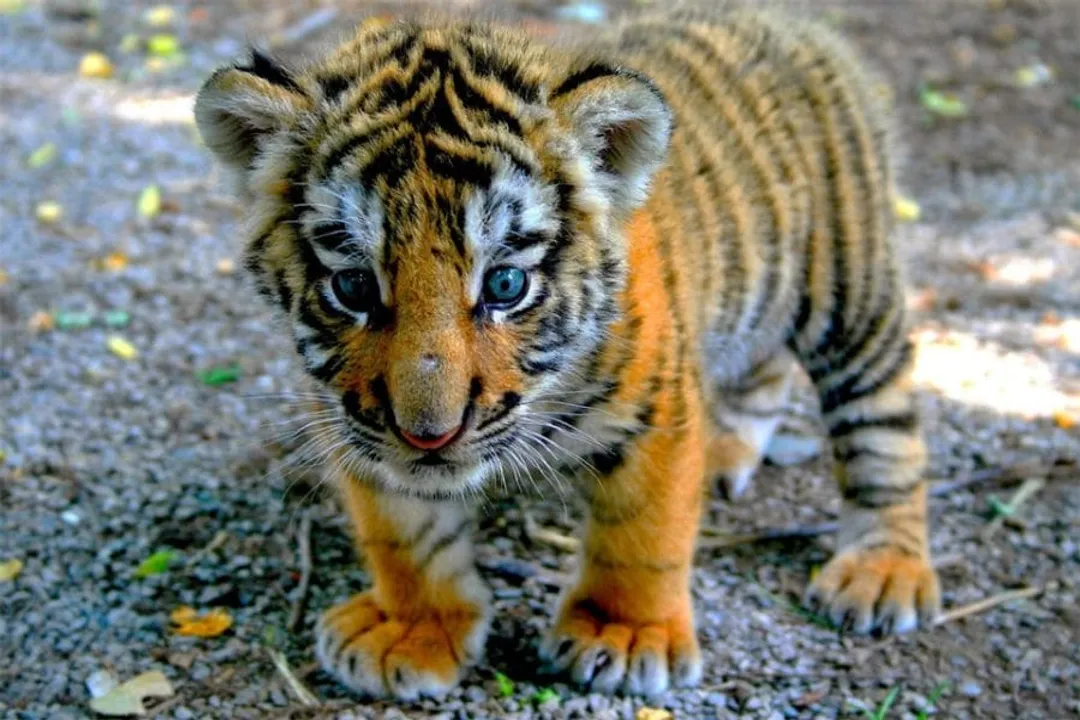
The second critical set of physical adaptations revolves around the tiger’s capacity to capture, subdue, and process large prey. This involves a lethal synergy between its skeletal and muscular structure, its formidable teeth, and its specialized claws.
# The Bite
Tigers possess an immensely powerful jaw structure, which complements their large, elongated canine teeth. In fact, the upper canines of a tiger are the largest among all cat species. These canines, which can measure between 2.5 and 3 inches in length, are designed for deep penetration, allowing the tiger to deliver a killing bite with immense, crushing force. The killing method generally involves targeting the nape of the neck or the throat, using the jaws to suffocate the prey or sever the spinal cord. Furthermore, the entire dentition is adapted for a carnivorous diet, featuring teeth specifically shaped to shred and cut tough meat once the prey is dispatched. The efficiency of these teeth in processing the carcass is crucial for quickly consuming large kills before scavengers are alerted.
# Retractable Talons
Complementing the bite are the tiger’s claws, which are arguably one of its most refined tools. These claws are fully retractable, meaning they are sheathed within protective folds of skin and fur when the paw is relaxed or the animal is walking. This mechanical feature serves two primary, non-offensive purposes vital to a stalking predator. First, keeping the claws sheathed protects the sharp points from dulling against the ground, ensuring they remain needle-sharp for an attack or for climbing. Second, and perhaps more crucial for a creature relying on surprise, retraction allows the tiger to walk almost silently on the soft pads of its toes, muffling the sound of its approach on the forest floor. A claw that is always exposed creates a scraping or clicking sound with every step, an audible announcement that an apex predator is closing in.
The sheer size and strength of the tiger are intrinsically linked to these weapons. The muscular structure, including flexible spines and long hind limbs, enables the tiger to launch itself over large distances in a single bound to close the final gap on unsuspecting prey. This explosive power must be effectively transferred into the target, which is where the teeth and the claws—which can reach lengths up to 4 inches—come into play, grasping the victim and holding it immobile while the killing bite is administered.
In considering the energetic cost of movement, the retractable claw system offers a subtle advantage beyond just maintaining sharpness. For mammals that habitually move across varied, abrasive terrain, constantly wearing down their keratinous weapons is an unavoidable trade-off. By retracting its claws, the tiger effectively carries its primary weaponry in protective scabbards, minimizing daily wear and tear. This conserved sharpness translates directly into a higher probability of success during a hunt, where a slightly dulled claw could mean the difference between a meal and a failed chase—a small engineering detail with massive caloric implications over a lifetime of hunting.

# Acute Sensory World
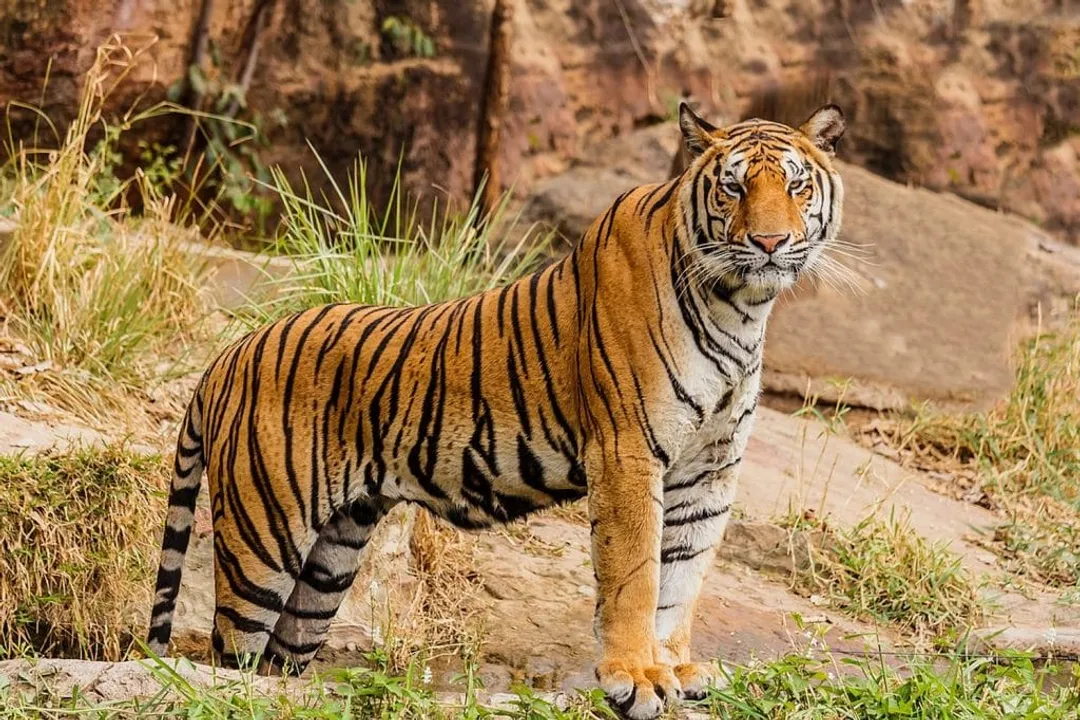
The final pillar of the tiger's physical prowess lies in its highly developed sensory organs, which permit effective hunting and communication in varied light and dense cover. As a species that frequently hunts during the crepuscular hours (dawn and dusk) or at night, superior vision and hearing are non-negotiable requirements.
# Night Vision
A tiger’s eye is structurally optimized for low-light conditions. The retina possesses a very high concentration of rod cells, the photoreceptor cells responsible for vision at low light levels, granting the tiger night vision significantly better than that of a human. This superior sensitivity allows them to navigate and spot prey when human eyes would see only darkness. Adding to this efficiency is a structure located behind the retina known as the tapetum lucidum—a mirror-like layer. This layer reflects light that has already passed through the sensory cells back through them a second time, maximizing the use of available photons and resulting in a brighter, clearer image. This adaptation is common across many nocturnal or crepuscular animals, but in the tiger, it pairs with their stealth to create an overwhelming predatory advantage after sunset.
# Infrasonic Hearing
While sight is paramount in the open, sound travels effectively through dense vegetation, making exceptional hearing vital for a forest dweller. Tigers exhibit extremely sharp hearing capabilities. More remarkably, they are capable of detecting infrasound—sound waves that fall below the normal audible range of humans (generally below 20 hertz).
This ability is not just for eavesdropping on distant prey; it serves as a long-range communication system. Sound waves below the audible threshold can travel much farther and penetrate obstacles like mountains or thick forest stands more easily than higher-frequency sounds. A tiger can therefore communicate territorial boundaries, locate mates, or warn off rivals over vast distances without revealing their precise location to potential prey that might be sensitive to louder vocalizations. This low-frequency awareness forms a sort of sub-acoustic map of their surroundings, a sense that humans cannot perceive at all.
Beyond the major trio, other physical features contribute significantly to their overall predatory package. For instance, the presence of white spots on the back of their small, rounded ears acts as a deterrent, mimicking false eyes that may discourage attacks from behind, particularly from other territorial tigers. Furthermore, the tongue is equipped with backward-pointing spines called papillae, which are essential for grooming and, after a kill, for efficiently stripping every last scrap of meat from the bone. Even their robust physical size, with Siberian tigers sometimes weighing up to 660 pounds, provides the raw power necessary to overpower large herbivores like elk or wild boar, distinguishing them in mass from most other feline species.
The sum of these physical adaptations—the visual deception of the stripes, the crushing power and specialized cutting ability of the jaws, the silent approach granted by retractable claws, and the sensory superiority in low light and across long distances—ensures the tiger remains a master of its domain. Each feature is intrinsically connected, allowing a single animal to navigate the complexities of its environment, from the damp jungle floor to the darkness of night, confirming its status as an evolutionary success story within the Panthera genus.
Related Questions
#Citations
Tiger Adaptations - Turpentine Creek Wildlife Refuge
All About Tigers - Adaptations | United Parks & Resorts - Seaworld.org
Tiger Facts, Types, Classification, Habitat, Diet, Adaptations, Pictures
Tiger Adaptations for Forest Survival | PDF - Scribd
Adaptations - The Beautiful Bengal Tiger - Weebly
Stripes Through Time: Tigers And Their Evolution! - Wildlife SOS