What are the physical adaptations of the ibex?
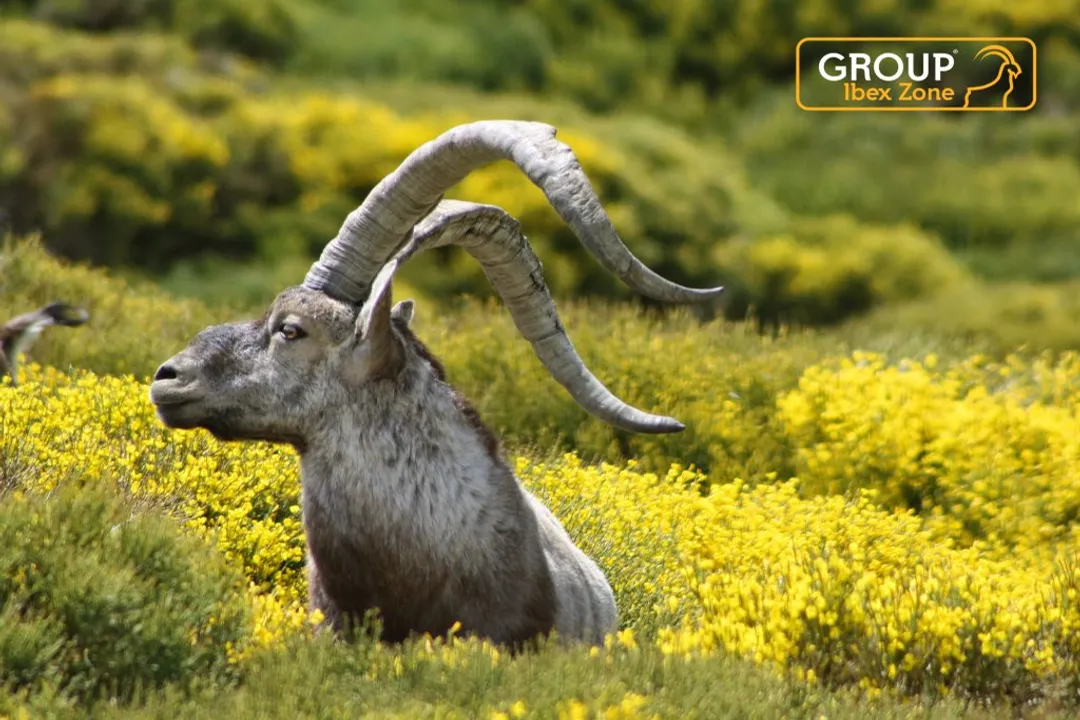
The ibex, a creature synonymous with the planet's most unforgiving high-altitude landscapes, possesses a suite of physical traits that make it the undisputed master of the steep, rocky peaks it calls home. Whether we consider the Alpine Ibex roaming France and Switzerland, or its cousins like the Spanish Ibex endemic to the Iberian Peninsula, survival in such environments depends entirely on finely tuned biological engineering. These aren't mere climbers; they are athletes built from the ground up to defy gravity where other ungulates dare not tread.
# Locomotion Structure
The foundation of the ibex's near-mythical agility lies in its lower body. The animal is characterized by short legs combined with large and flexible hooves. This combination is not accidental; the short limbs provide a compact, powerful base, which, when coupled with specialized hooves, allows for incredible leverage and stability on precarious footing. On the slopes of the Alps, this hoof structure is particularly noteworthy: it is split, featuring rubbery textured pads designed to offer superior grip against sheer surfaces, functioning almost like specialized climbing boots. These physical adaptations collectively permit the ibex to run and leap across terrain described as bare, rocky, rough, and steep. For the Alpine variety, muscular legs and an exceptionally steady sense of balance further complement this agility, enabling them to stand securely on their hind legs to reach high salt deposits or forage. The strength in their legs is essential not just for climbing upward, but also for the sudden, powerful leaps needed to escape danger or gain purchase on shifting scree.
# Seasonal Coat
To endure the dramatic temperature shifts typical of their mountain habitats, ibexes have evolved sophisticated systems for thermal regulation, most visibly demonstrated through their coats. The hair changes significantly with the climate across the year. In the brutal cold of winter, the coat becomes long, dense, and woolly. For Alpine populations, this often means developing a dense, double-layered coat specifically engineered to trap heat and protect against the biting cold and snowpack. Furthermore, the Alpine ibex often sports an imposing mane that acts as an additional shield against penetrating winds. As summer arrives, the animal sheds this heavy insulation, replacing it with short and fuzzy or sleek hair to help manage warmer daytime temperatures. This transition isn't just about texture; the color also adjusts. The Alpine Ibex, for instance, moves from a reddish-brown hue in winter toward a more muted gray-brown during the summer months, though darker shades often remain around the cheeks and throat. In contrast, the Gredos Spanish Ibex is noted for having the darkest color skin among its relatives.
# Altitude Respiration
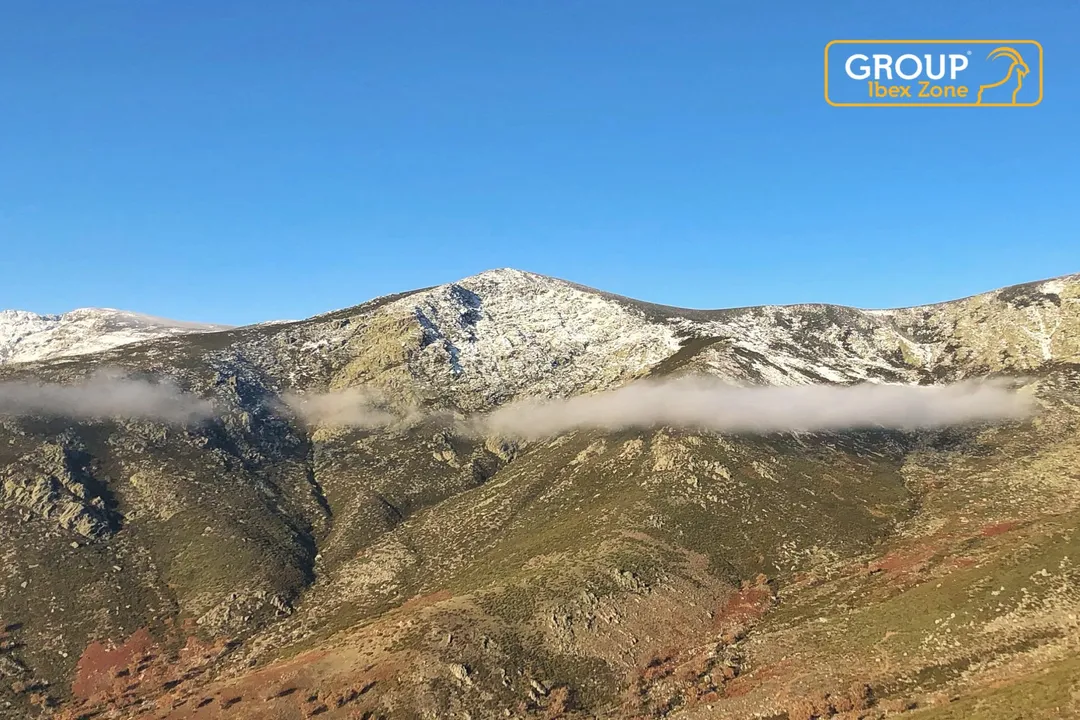
Life at the extreme elevations where ibex thrive, sometimes exceeding 15,000 feet, demands an adaptation beyond just strong legs and warm coats—it requires specialized breathing apparatus. The thin air characteristic of high mountains means less available oxygen per breath, a challenge the Alpine Ibex overcomes through large lung capacities. This adaptation allows them to take big breaths, ensuring they can take in enough oxygen to sustain movement and foraging even in oxygen-deprived environments, enabling them to operate effectively at elevations up to approximately 3300 meters. Without this efficient respiratory system, staying in the higher altitudes for extended periods would be impossible.
# Headgear Status
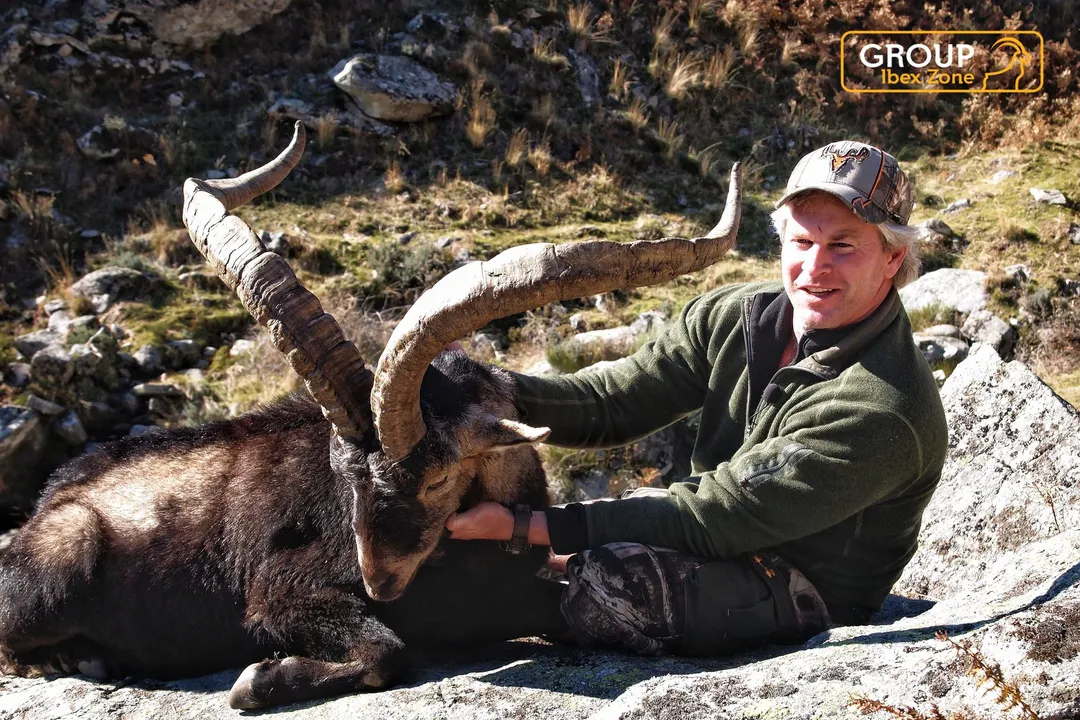
The horns of the ibex are perhaps their most visually arresting physical characteristic, and they serve far more than just decoration. They are central to social status and reproductive success. A key feature across several species, like the Alpine ibex, is pronounced sexual dimorphism regarding horns. Males carry massive, heavily curved horns that can surpass three feet in length (over one meter). These formidable structures are vital weapons used in ritualistic, head-butting contests to establish dominance, which in turn dictates access to females during the rut. The perception of strength is directly tied to horn size: the bigger the horns, the more imposing the male appears to rivals. Female Alpine ibexes possess horns that are curved backward but are significantly shorter and thinner. Among the Gredos subspecies, the horns grow in a distinctive lyre shape, curving out, up, and then back inward. For the Gredos Ibex, this growth is remarkably consistent, with a new ring appearing each year, allowing observers to roughly gauge the animal’s age from its rack.
# Specialized Nutrition
The herbivorous diet of the ibex, consisting of grasses, mosses, lichens, and, in leaner times, woody shrubs and bark, is inherently low in certain essential components found in lowland vegetation. To address this gap, ibexes have developed a distinctive and non-negotiable foraging behavior: they seek out and consume minerals directly from the earth. A crucial adaptation involves licking stones to access salt deposits that seep through the rock faces. This isn't merely mineral supplementation; it is a physiological necessity. The salt obtained from these deposits is described as specifically required because the rest of their diet fails to provide it adequately. Without sufficient salt intake, the ibex faces severe sickness, as its entire nervous system and muscle function would be compromised. This reliance on geological features for basic metabolic requirements highlights a direct, physical dependency on their geology that far exceeds simple caloric needs. Furthermore, their bodies are fine-tuned to maximize resource efficiency, boasting highly efficient digestive systems that extract the maximum possible nutrients from sparse, tough forage.
# Comparing Regional Specializations
While the overarching adaptations for alpine survival—hooves, thick coats, and high-altitude respiration—are common threads, the different species demonstrate localized evolutionary divergence. For instance, the requirements of the arid zones where the Nubian Ibex resides would necessitate different pressures on water retention and coat reflectivity compared to the snow-heavy Alps. Though the details on the Nubian Ibex characteristics were not fully accessible, its existence in arid deserts immediately suggests a contrasting set of primary physical challenges compared to the Alpine Ibex, which deals with extreme cold and snow. Similarly, the Spanish Ibex, which descends to valleys in search of food when heavy snow blankets the high peaks, experiences a seasonal shift in dietary accessibility that influences its movements, though its foundational climbing adaptations remain essential for escaping predators on the rocky slopes.
These varied adaptations, from the specific rubber texture in an Alpine hoof pad to the ancient, rock-licking routine for sodium replacement, illustrate a perfect marriage between morphology and environment. The ibex is a testament to how life adapts not just to survive in extreme places, but to dominate them.
Related Questions
#Citations
Adaptations - The Alpine Ibex - Weebly
All About Ibex Animal Habits, Environments and Life Cycles
How ibexes adapt to winter: discover their survival strategies - ESI SKI
The Magical Creature along the Mont Blanc Route: The Alpine Ibex ...
Spanish Ibex - King of Fauna in the Sierra de Gredos
Spanish Ibex - Facts, Diet, Habitat & Pictures on Animalia.bio
Gredos Spanish Ibex
Ibex archivos - The Iberian Hunting Experience