How does the head appearance of the adult Xeme change in winter plumage?
Answer
The striking dark hood is lost, resulting in a white head
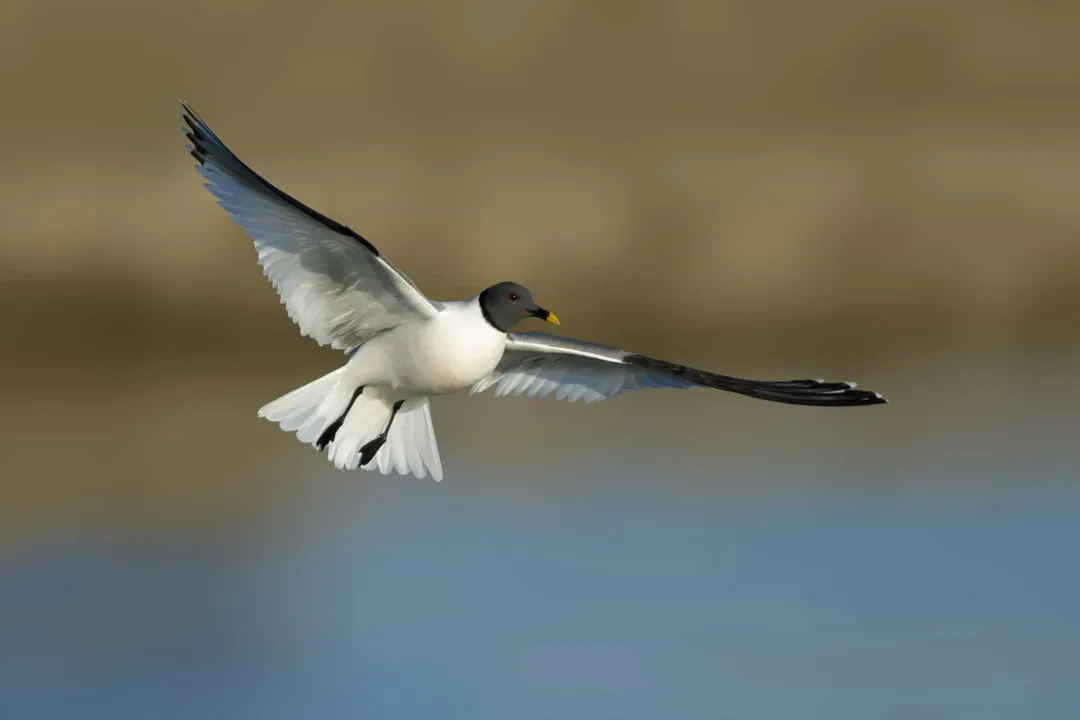
As adult Xeme transition from their breeding territories to pelagic wintering areas, their head plumage softens considerably. The defining feature of summer—the charcoal gray hood—is lost entirely, resulting in a white head for the non-breeding bird. While the head becomes predominantly white, descriptions note that non-breeding adults might retain some dark smudging or pale white speckles around the face or ear coverts, lacking the clean, sharply defined hood of the summer bird.
Related Questions
What color is the bill of a juvenile Xeme before reaching adult plumage?What distinguishing feature of the Xeme tail is rare among gull species?What color is the head plumage of an adult Sabine’s Gull in breeding season?What is the typical wingspan measurement for adult Sabine’s Gulls?What specific marking is present on the tail of juvenile Xema sabini?When do adult Xeme undergo a complete molt before migration?What color combination defines the bill of a breeding adult Xeme?How many years does it take for Sabine’s Gulls to fully attain adult plumage?How does the head appearance of the adult Xeme change in winter plumage?What pattern on the wings creates a noticeable dark triangle at the wingtip in flight?